
10 Acne Treatments You Can Do At Home
Acne is one of the most common skin conditions faced by adults and teenagers alike. Here are some simple treatments that you can do at home to help treat acne!

Acne is a prevalent skin condition marked by the presence of pimples, blackheads, and whiteheads. Although it can impact individuals of any age, teenagers are more prone to it. The good news is that acne can often be managed effectively at home using natural remedies or over-the-counter products.
Here, the team here at Skin Inspection list of the things you can do at home to treat acne.
Natural remedies
Many people prefer natural remedies for treating acne due to their affordability, accessibility, and potential for fewer side effects than even over-the-counter products. There are several natural remedies that can aid in reducing acne breakouts, inflammation, and scarring. They can often be used safely in combination with each other.
Tea tree oil
With its antibacterial properties, tea tree oil is effective in combating acne-causing bacteria. You can apply a drop of tea tree oil directly onto the affected area with a cotton swab or mix it with a carrier oil like coconut or jojoba oil.
Witch hazel
Witch hazel astringent properties, which make it effective in reducing inflammation, irritation and redness associated with acne. Additionally, witch hazel can help to balance the skin's pH levels, which can prevent the growth of acne-causing bacteria. You can apply witch hazel to the affected area using a cotton ball or pad.
Aloe vera
Aloe vera contains anti-inflammatory properties that can reduce redness and swelling, and it can also soothe irritated skin. You can use aloe vera by applying the gel directly to the affected area.
Honey
Honey has antibacterial and anti-inflammatory properties. You can apply raw honey to the affected area, leave it on for 10-15 minutes and then rinse it off with warm water.
Apple cider vinegar
Apple cider vinegar is rich in astringent and antibacterial properties, which make it effective in reducing inflammation and killing acne-causing bacteria. To use it, mix equal parts apple cider vinegar and water and apply the mixture to the affected area using a cotton ball.
Green tea
Green tea has antioxidants and anti-inflammatory compounds that can help decrease acne breakouts. Brew a cup of green tea, let it cool and apply it to the affected area using a cotton ball.
Zinc
Several studies have suggested that zinc supplements can help improve acne. One study published in the journal Dermatology in 2014 found that zinc supplementation was effective in reducing inflammatory acne lesions in participants after 12 weeks of treatment. Eating foods rich in zinc may therefore help with acne.
Over-the-counter remedies
OTC acne treatments, such as creams, gels and lotions containing benzoyl peroxide, salicylic acid, and alpha-hydroxy acids, are readily available and can be an effective option for managing mild to moderate acne. These products work by reducing inflammation, unclogging pores, and eliminating acne-causing bacteria.
Many OTC acne treatments contain benzoyl peroxide, which targets and eliminates the bacteria responsible for acne breakouts. Salicylic acid is another commonly used ingredient that aids in unclogging pores and exfoliating dead skin cells. Alpha-hydroxy acids also exfoliate the skin and reduce the visibility of acne scars.
OTC products can potentially cause skin irritation and dryness, so it's recommended to start with a lower concentration and increase gradually as tolerated. Following the instructions carefully and consistently using the product is also important to achieve the best results. If OTC products do not seem to be effective in treating acne or if the acne is severe, it's advisable to seek the advice of a dermatologist.
Lifestyle changes
In addition to eating a balanced diet, rich in fruits, vegetables, and whole grains, incorporating regular exercise into your routine can be beneficial for healthy skin. Exercise can promote healthy blood flow and reduce stress levels, which are known to trigger acne breakouts. Getting enough high-quality sleep is also important for maintaining healthy skin, as lack of sleep can increase inflammation and contribute to the development of acne.
It's also important to avoid touching the face and picking at acne, as this can introduce bacteria and cause further inflammation. Using gentle, non-comedogenic skincare products and avoiding harsh scrubs and exfoliants can also help prevent skin irritation and acne breakouts.
About the Creator
Melissa Wilson
Melissa Wilson is a practice manager at Skin Inspection, a specialists dermatology clinic that provide a range of dermatology procedures and assessments.
Keep reading
More stories from Melissa Wilson and writers in Blush and other communities.
How to Build the Perfect Skincare Routine
For some, building a skincare routine might mean nothing more than washing your face or applying a bit of moisturiser when you think about, but setting up a proper regime is essential when it comes to maintaining healthy skin that is glowing, radiant and youthful.
By Melissa Wilson2 years ago in Blush
How Independent Filmmakers Are Rethinking Film Financing
Over the past decade, the economics of filmmaking have been quietly transforming. For many years, large studios controlled most aspects of film production, from financing to distribution. Today, however, independent filmmakers are discovering new ways to bring projects to life without relying entirely on traditional studio systems.
By Andreas Szakacsabout 10 hours ago in Blush
Choose the Right Lipstick Shade for Your Skin Undertone
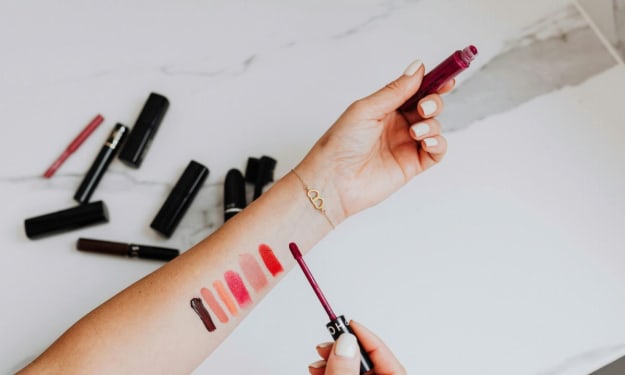
Choosing the right lipstick shade can completely transform a makeup look. While many people pick colors based on trends or personal preference, the most flattering lipstick usually depends on one important factor: your skin undertone. Understanding your undertone helps you select shades that naturally enhance your complexion rather than clash with it.
By Stories Today7 days ago in Blush


Comments
There are no comments for this story
Be the first to respond and start the conversation.