
Where the Hills Breathe: Discover the Untamed Beauty of Kudremukh Trek
Kudremukh special isn’t just its visual beauty—it’s the feeling it evokes.
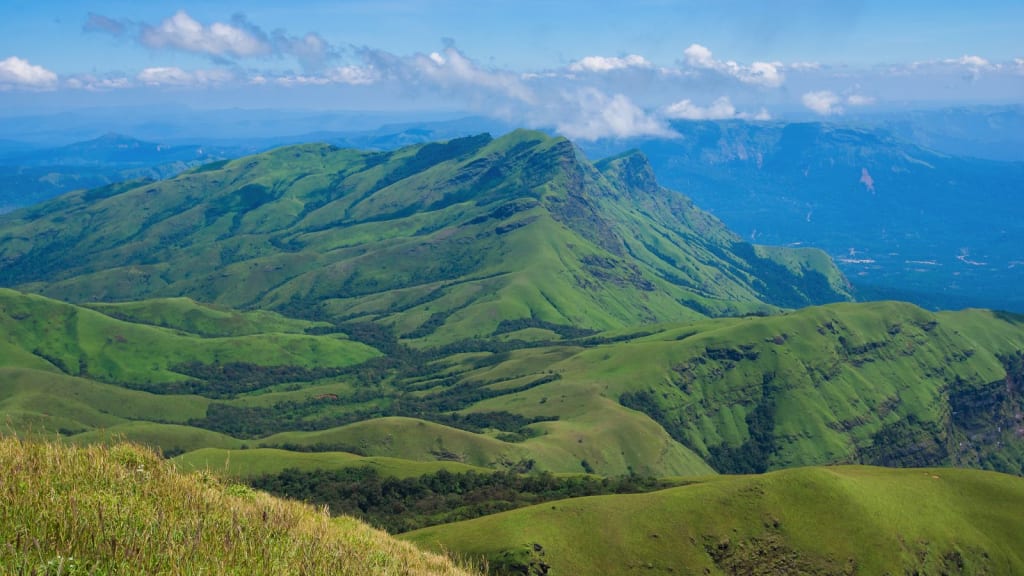
There are some journeys you take for the thrill, and then there are those that stay with you long after you’ve returned home. The Kudremukh Trek is firmly in the second category. Tucked deep inside the lush Western Ghats of Karnataka, this trek is a blend of striking landscapes, mist-laced meadows, and raw wilderness that feels almost meditative. If you’re craving a trek that is scenic yet adventurous, remote yet reachable, peaceful yet soul-stirring—Kudremukh is exactly where you should be.
Let me walk you through the experience, just as I’d narrate it to a friend over a cup of hot chai—honest, detailed, and packed with all the tips you’ll actually use.
A First Glimpse into a Living Landscape
The first thing you notice about Kudremukh is how alive everything feels. The hills don’t just stand still—they breathe. Early morning mist moves across rolling grasslands like slow-floating rivers of smoke, while sunlight pierces through dense shola forests in scattered golden streams. Birds call from unseen perches, crickets hum from the undergrowth, and the sound of flowing water is never far away.
The name Kudremukh literally translates to “horse face,” inspired by the unique shape of the mountain peak when seen from certain angles. Standing at around 6,207 ft, the trek offers one of the most cinematic views in South India, combining tropical forests, mountain valleys, and wide open meadows in one unforgettable trail.
What makes the landscape special is its ever-changing quality. One moment you’re walking through a tangled canopy of giant trees, and the next you’re out in the open—surrounded by endless green ridges that resemble waves frozen in time. It’s not just a trail; it’s a journey through multiple ecosystems.
Planning the Journey: Best Time to Visit & How to Reach
While Kudremukh is magical throughout the year, the best time to visit is between October and February. The skies open up after the monsoon, turning the entire valley into a freshly washed paradise—cool breezes, clear views, and just the right amount of chill in the air.
If you trek during the monsoon (June–September), be prepared for heavy rain, slippery trails, and leeches—but also for dramatically green landscapes and roaring streams. Summer months (March–May) are warmer, but early mornings still remain pleasant.
Getting here isn’t complicated. Most travellers first reach Chikmagalur, Kalsa, or Mangalore, depending on their itinerary. From Chikmagalur, the trailhead is roughly three hours away by road. If you’re arriving from Mangalore, it’s about a two-hour scenic drive through winding ghats. The final journey to Mullodi—the base village—is usually done in rugged jeeps, and honestly, that ride itself feels like an adventure.
If you’re planning an economical trip, public transport is an option. Buses run from Bangalore to both Chikmagalur and Kalasa, making it easy to plan a budget-friendly itinerary.
Into the Wild: The Trekking Experience
The trek begins gently, through village trails and narrow forest paths where streams crisscross your route. You’ll pass small waterfalls and clear water pools—many trekkers fill their bottles directly from these natural sources. As you continue deeper into the Kudremukh National Park, the forest thickens. Sunlight filters through in beautiful patches, giving the trail a warm glow.
Soon, the forest opens up into the iconic rolling meadows of Kudremukh. This is the part that makes every trekker stop, stare, and soak it all in. Imagine walking through expansive grasslands with dramatic ridges rising and falling around you. Mist travels fast across the hills, often covering and uncovering entire valleys in minutes.
The final ascent involves a steady climb along the ridge. It’s not overly difficult, but you do feel the steepness. And then, almost suddenly, you’re standing at the summit—wind brushing past, clouds drifting close enough to touch, and panoramic views that make every step worth it.
This is the perfect moment to pause, breathe deeply, and let the mountains work their quiet magic.
Nearby Attractions & Suggested Itineraries
Many travellers combine Kudremukh with nearby attractions to make the most of their getaway. If you have a day to spare, add:
• Hanuman Gundi Falls – A stunning waterfall perfect for a refreshing dip.
• Tea and Coffee Estate Tours in Kalasa – A calming way to unwind after the trek.
• Gangamoola Hill – The birthplace of three major rivers, offering cultural and geographical significance.
• Horanadu Annapoorneshwari Temple – A serene spiritual stop, especially beloved by pilgrims.
A suggested 2-day itinerary could look like this:
Day 1: Arrive in Kalasa → Jeep ride to Mullodi → Settle at homestay → Sunset walk around the hills.
Day 2: Trek to Kudremukh Peak → Return by late afternoon → Visit Hanuman Gundi Falls → Drive back to Kalasa or Chikmagalur.
If you enjoy slow travel, a 3-day itinerary allows time for estate visits, temple sightseeing, and leisurely explorations of the national park region.
Practical Tips, Budgeting & Safety Essentials
Kudremukh is a regulated trek managed by the Forest Department, so you need a permit before entering the region. Most local homestays or trek operators take care of this for you, but it’s good to confirm beforehand.
In terms of budgeting, it’s possible to do this trek comfortably within a modest amount. Homestays in Mullodi and Kalasa offer packages that include food, stay, guide charges, and jeep transfers. Travelling with a small group can reduce your overall cost per person, especially for transport.
Safety-wise, Kudremukh is beginner-friendly, but nature always deserves respect. Wear proper trekking shoes, carry at least 2 litres of water, and pack light rain protection even in the dry season (the weather changes quickly!). Mobile networks fade in the forest, so informing someone about your itinerary beforehand is wise. If you’re trekking in monsoon, mentally prepare for leeches—they’re harmless but persistent.
Lastly, remember that Kudremukh is a protected area. Avoid littering, stick to the designated paths, and follow your guide’s instructions. The beauty of this landscape lies in its untouched nature; let’s keep it that way.
Why Kudremukh Leaves an Impression Long After You Leave
What makes Kudremukh special isn’t just its visual beauty—it’s the feeling it evokes. When you walk through those endless meadows, or watch clouds swallow entire ridges, you sense nature in its pure, powerful form. There’s something grounding about this trek. It slows you down, opens your senses, and reminds you that the world is far bigger and more peaceful than we often realise.
Whether you’re an experienced trekker or someone stepping into the world of hiking for the first time, Kudremukh has a way of surprising you. It’s not just a place you visit; it’s one you carry with you.
If you’re ready to escape the routine, breathe crisp mountain air, immerse yourself in untouched wilderness, and return home deeply refreshed—then pack your bags. The hills of Kudremukh are waiting, and they have stories to share.
About the Creator
prince sain
Hey, I’m Prince, and I love traveling. Exploring new places and meeting new people is my jam. I get super excited about finding cool stuff in different places and learning about different cultures.
Keep reading
More stories from prince sain and writers in Beat and other communities.
Peaks of Paradise: Discover the Changing Landscapes of Kudremukh Trek
If you’ve ever longed for a trek that feels like walking through a living postcard—rolling green hills, whispering forests, mist-draped mountains, and sweeping valleys that shift with every turn—then the Kudremukh Trek is your calling. Located in the Chikkamagaluru district of Karnataka, this trek blends raw wilderness with gentle charm, making it perfect for travellers who crave both adventure and serenity. Let me take you along on this journey, just as I would with a friend, showing you why Kudremukh is truly a peak of paradise.
By prince sain2 months ago in Beat
Ludacris and Nelly draw backlash over bookings at MAGA-coded music festival
Ludacris and Nelly headlining a mostly right-wing event is good for them. It’s also great for the genre of hip hop. The two rap veterans have showcased their talents on other stages. Why can’t they perform for mostly MAGA folks and grab that bag?
By Skyler Saunders5 days ago in Beat
How Much Does It Cost to Replace Guitar Strings? The Complete 2026 Price Breakdown
Look, if you're reading this, you probably already know strings wear out. But what does it actually cost to keep your guitars playing well? The answer depends on what you play, how often, and whether you're doing it yourself or paying someone else.
By Resyn Marketplace4 days ago in Beat
Center Stage with Paul Stewart
*** I'm keen to republish the interviews I did for my series with Vocal creators. It's been a few years and I thought it might be nice to revisit these wonderful conversations. I'll be releasing them one at a time for a few weeks/months.
By Heather Hubler5 days ago in Interview



Comments
There are no comments for this story
Be the first to respond and start the conversation.