
Peaks of Paradise: Discover the Changing Landscapes of Kudremukh Trek
Kudremukh is more than just a trek—it’s a journey through some of the Western Ghats
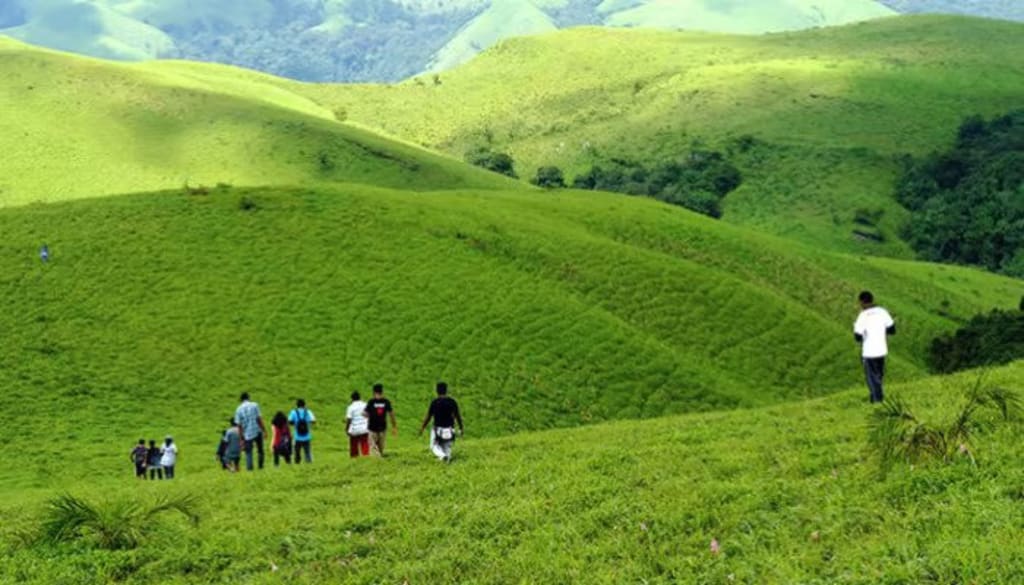
If you’ve ever longed for a trek that feels like walking through a living postcard—rolling green hills, whispering forests, mist-draped mountains, and sweeping valleys that shift with every turn—then the Kudremukh Trek is your calling. Located in the Chikkamagaluru district of Karnataka, this trek blends raw wilderness with gentle charm, making it perfect for travellers who crave both adventure and serenity. Let me take you along on this journey, just as I would with a friend, showing you why Kudremukh is truly a peak of paradise.
A Journey Through Ever-Changing Landscapes
The magic of the Kudremukh Trek lies in its ability to constantly transform around you. One moment you're walking beneath dense shola forests where sunlight filters through tall, moss-covered trees; the next, you're stepping into vast, undulating grasslands that stretch endlessly in front of you. These grasslands are what make the trek iconic—soft, lush, and golden in daylight, they create an illusion of waves moving with the wind.
As you ascend, the valley opens up to sweeping views of deep gorges, glittering streams, and distant mountain ridges. If you trek during the monsoon or just after, expect clouds floating inches above your head, sometimes even slipping past you like gentle white ghosts. Kudremukh, meaning “horse face,” gets its name from the mountain's distinct shape, which you'll spot clearly from certain vantage points along the trail.
Wildlife sightings aren’t uncommon either. The Kudremukh National Park is home to deer, Malabar giant squirrels, peacocks, and occasionally—if luck is on your side—the majestic gaur. The forest section early in the trek often surprises hikers with rustling sounds or glimpses of colourful birds that flit between branches.
Best Time to Visit: When the Hills Are in Their Element
While Kudremukh is beautiful year-round, the experience varies significantly with the seasons. If you’re chasing misty valleys, emerald-green slopes, and chilled mountain winds, then the post-monsoon months from September to January are ideal. The weather is pleasant, the forests smell fresh, and the landscapes look like they’ve been washed clean.
For travellers seeking clear skies and unobstructed panoramas, February to March offers the best visibility. The greenery starts to fade a little, but the soft brown-gold tones add their own charm to the hills.
Avoid peak monsoon months (June to August) unless you’re experienced with slippery terrain and heavy rains. While the forest comes alive with streams and waterfalls, the trail becomes more challenging and leech-prone.
How to Reach Kudremukh: Smooth Travel for Every Budget
Reaching Kudremukh is straightforward, and you can plan it around your comfort or budget.
Most travellers begin their journey from Bengaluru, which is about 330 km away. Buses are available to Kalasa or Horanadu, two popular towns close to the trek base. From Kalasa, you’ll need to hire a jeep to reach Mullodi Village—the starting point of the trek. The jeep ride itself is an adventure, bouncing through muddy trails and narrow forest paths that set the tone for what lies ahead.
If you prefer a self-drive trip, the scenic route via Hassan, Belur, and Mudigere is a treat, lined with coffee estates, viewpoints, and quaint roadside tea stalls. For those flying in, Mangalore Airport is the closest, around 110 km from the trek base, making it convenient for domestic and international travellers.
The Trek Experience: Step-by-Step Through Nature’s Masterpiece
The Kudremukh Trek is roughly 20–22 km (both ways)—long enough to be thrilling but manageable for beginners with decent fitness. Most trekkers start early in the morning, around 6:00–7:00 AM, to make the best use of daylight and avoid the afternoon sun on the return.
The first hour winds through thick forests, occasionally crossing small streams. This part of the trail is cool and refreshing, with birdsong filling the air. As you emerge from the woods, endless meadows unfold in front of you. These grasslands dominate most of the trek, rising and falling like natural waves.
Halfway through, you’ll come across open plateaus and ridges that offer panoramic views of the surrounding landscape. The final stretch to the peak includes a gentle but steady incline. When you finally reach the summit, you’re greeted with sweeping 360-degree views—layers of mountains fading into the horizon, clouds drifting close, and valleys carved by time.
One of the standout features of this trek is how approachable it feels. The terrain is varied but not intimidating, making it perfect for solo travellers, groups of friends, and even first-time trekkers joining guided tours.
Local Tips, Budgeting & Safety Essentials
To truly enjoy Kudremukh, a little preparation goes a long way. Carry sufficient water, especially in the drier months, as natural water sources reduce along the route. Light snacks, energy bars, and easy-to-digest food will keep you fuelled during the long walk. Comfortable trekking shoes with grip are a must, especially during or after rain.
The Forest Department allows a limited number of trekkers daily, so booking permits in advance is essential. Travelling with a registered trekking operator can make this entire process smoother, including transport, guides, permits, and homestay arrangements.
If you’re trekking on a budget, consider travelling by overnight bus to Kalasa and staying at local homestays in Mullodi. These offer basic yet cosy accommodation and delicious home-cooked meals. For a more comfortable experience, mid-range stays in Kalasa and Horanadu offer added amenities.
As for safety, stick to the marked trails. The region is part of a wildlife-protected area, so respect the surroundings and avoid venturing off-track. Mobile networks fade in many parts of the trek, so inform someone of your schedule beforehand.
Suggested Itinerary & Nearby Attractions Worth Exploring
A typical Kudremukh trek itinerary spans two days. On Day 1, arrive in Kalasa or Mullodi, relax at a homestay, enjoy a warm local dinner, and rest well for the early start. Day 2 is dedicated to the trek, which takes around 8–9 hours in total.
But if you have extra time, the region rewards curious travellers. The nearby Horanadu Annapoorneshwari Temple, known for its spiritual atmosphere, is a serene stop. Kudremukh National Park Safari, though seasonal, offers a chance to spot wildlife in their natural habitat. The Hanuman Gundi Falls is another refreshing addition—ideal for a post-trek dip.
Coffee lovers should definitely explore local plantations; Chikkamagaluru is famous for its aromatic coffee estates. Spending an extra day wandering these plantations offers a soothing contrast to your trekking adventure.
Why Kudremukh Belongs on Every Traveller’s Bucket List
Kudremukh is more than just a trek—it’s a journey through some of the Western Ghats' finest landscapes, a blend of challenge and tranquillity, a place where time slows and the world feels both wider and softer. Whether you're an experienced trekker or someone taking your first step into the world of hiking, Kudremukh welcomes you with open arms, lush hills, and endless sky.
About the Creator
prince sain
Hey, I’m Prince, and I love traveling. Exploring new places and meeting new people is my jam. I get super excited about finding cool stuff in different places and learning about different cultures.
Keep reading
More stories from prince sain and writers in Beat and other communities.
Into the Wild at Amagarh: A Leopard Safari Where Jaipur’s Secrets Come Alive
The Untold Wild Side of Jaipur If you think Jaipur is only about palaces, forts, and bustling bazaars glowing in pink hues, then Amagarh Leopard Safari is here to rewrite that perception. Tucked just 20–25 minutes from the city centre, the rugged Aravallis hold a different kind of Jaipur—one where the air smells of acacia, where silence hums, and where leopards roam like the rightful kings of this ancient land.
By prince sain2 months ago in Beat
Ludacris and Nelly draw backlash over bookings at MAGA-coded music festival
Ludacris and Nelly headlining a mostly right-wing event is good for them. It’s also great for the genre of hip hop. The two rap veterans have showcased their talents on other stages. Why can’t they perform for mostly MAGA folks and grab that bag?
By Skyler Saunders4 days ago in Beat
How Much Does It Cost to Replace Guitar Strings? The Complete 2026 Price Breakdown
Look, if you're reading this, you probably already know strings wear out. But what does it actually cost to keep your guitars playing well? The answer depends on what you play, how often, and whether you're doing it yourself or paying someone else.
By Resyn Marketplace4 days ago in Beat


Comments
There are no comments for this story
Be the first to respond and start the conversation.