
Rise With the Rolling Ridges: The Beauty and Challenge of Kudremukh Trek
Kudremukh isn’t just a trek—it’s an experience of being swallowed by nature
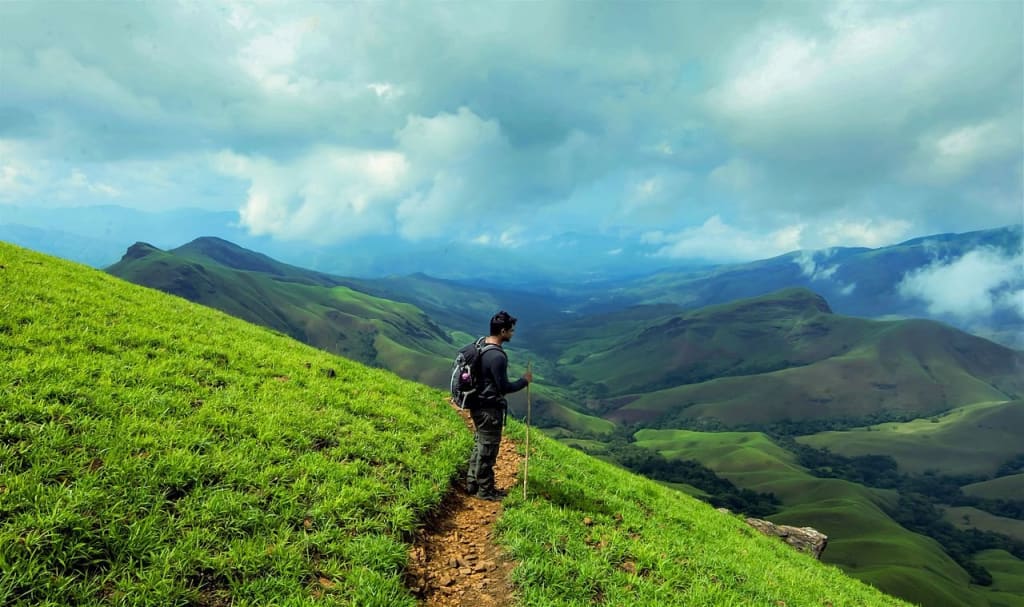
If there’s a trek that truly captures the magic of the Western Ghats—its mist-kissed hills, wildflower meadows, dense shola forests, and sweeping ridges that seem to roll into infinity—it’s the Kudremukh Trek. Often called the “mini Scotland of India,” this trail is a dream come true for hikers who crave both beauty and challenge. Whether you’re a seasoned trekker or a curious beginner ready for your first big adventure, Kudremukh has a way of staying with you long after the hike is over.
In this guide, I’ll walk you through the entire journey—what the trail feels like, the best time to visit, how to reach the base village, itinerary suggestions, and even budgeting tips. Think of this as a friend prepping you for a trek we’re about to embark on together.
Into the Heart of the Ghats: What Makes Kudremukh Special
Kudremukh literally means “horse face,” a name inspired by the shape of the mountain’s peak. But don’t expect a single steep climb like many other treks. Instead, this trail unfolds gently across rolling ridges that rise and dip like ocean waves frozen in green, making it one of the most scenic and rewarding treks in South India.
The entire journey takes you through shifting landscapes—lush fields that give way to thick forests, clear streams with icy water, stretches of open grasslands where the wind whips across your face, and steep final ascents that test your endurance. What truly steals the show is the 360-degree panoramic view from the summit. On a clear day, you can see layers of hills melting into the horizon; on a misty day, the clouds swirl around like something out of a fantasy novel.
This blend of beauty and challenge is exactly why Kudremukh remains one of the most sought-after treks in Karnataka.
Planning Your Journey: Best Time to Visit & Weather Expectations
The best time to visit Kudremukh is between October and February. This is when the monsoons have just ended, the hills are lush, the streams are full, and the weather is cool enough to trek comfortably. Winter mornings are misty and magical, while afternoons offer clear views of the valleys.
If you’re wondering about trekking during the monsoon, here’s the truth: it’s incredibly beautiful but also more demanding. The trails are slippery, leeches are unavoidable, and rainfall is unpredictable. Only monsoon-savvy trekkers should attempt it between June and September.
Summer (March–May) isn’t ideal due to the heat and reduced greenery, though it’s still doable if you start early.
No matter when you go, pack for quick weather shifts—a light rain jacket, layered clothing, and strong shoes with good grip.
Reaching the Base: How to Reach Kudremukh
The base point for the Kudremukh trek is Mallingero, close to Kalasa in the Chikkamagaluru district. Here’s the smoothest way to get there:
From Bengaluru: The most convenient option is an overnight bus to Kalasa (around 7–8 hours). From Kalasa, local jeeps and autos take you to the forest checkpost or homestay areas.
By Car: If you prefer self-driving, the road conditions are decent, and the route winds through scenic ghats.
Nearby Attractions: Since you’re already in the heart of the Western Ghats, consider exploring Horanadu Temple, Kelagur Tea Estate, Hanumana Gundi Waterfalls, or Kyatanmakki Hill—all easily accessible from Kalasa.
Many travellers extend their trip by staying at nearby coffee plantation homestays that offer peaceful mornings, hearty Malnad food, and local tips for trekking.
Step by Step Through the Trail: What the Trek Feels Like
Most trekkers start from the forest department checkpost, where you’ll register and take a guide (mandatory for safety and conservation). The trail, roughly 18 km both ways, typically takes 6–8 hours depending on your pace.
The first stretch leads through dense shola forests—expect tall trees, chirping birds, and a pleasant canopy shielding you from the sun. You’ll cross multiple streams here, so don’t be surprised if your shoes get wet. Honestly, that’s part of the charm!
As the forest opens up, the landscape transforms into vast rolling meadows that feel almost unreal. This section is where the trek earns its reputation for cinematic beauty. The wind sweeps across the mountains, and the trail hugs the curves of the ridges, giving you endless views on both sides.
The final climb is a little steep but incredibly satisfying. When you reach the top, it’s hard not to feel a sense of accomplishment. The summit often sits among drifting clouds, making it atmospheric and surreal. If you’re lucky with clear weather, you’ll witness waves of peaks rippling to the horizon.
The descent follows the same path—easier, but watch your step on slippery turns.
Making the Most of Your Trek: Local Tips, Safety & Budgeting
One of the best parts about Kudremukh is the presence of forest department-regulated entry, which helps preserve the trail. Here are some practical tips to make your trek smoother, safer, and more enjoyable:
Start early: Forest authorities allow entries only in the morning, and the weather is clearer earlier in the day.
Stay in local homestays: Not only are they budget-friendly, but they also offer fresh food, transportation to the checkpost, and insider tips.
Pack light but smart: Carry at least 2 liters of water, salty snacks, energy bars, a rain jacket, and a basic first-aid kit.
Travel safety: The trail is well-marked but slippery after rains. A guide ensures you stay on track and helps you navigate tricky sections.
Leeches: Yes, they exist! Apply Dettol or anti-leech spray around your shoes during monsoon months.
Kudremukh is budget-friendly, especially for solo travellers and trekkers who prefer rustic charm over luxury.
Suggested Itinerary: A Perfect 2-Day Kudremukh Adventure
If you're planning a weekend trip, here’s a smooth-flowing itinerary:
Day 1:
Arrive in Kalasa by morning → Check into a homestay → Freshen up and enjoy Malnad lunch → Explore nearby attractions like Kyatanmakki or Hanumana Gundi → Early dinner & rest.
Day 2:
Leave for forest checkpost by 6 AM → Start trek by 7 AM → Reach summit by late morning → Descend and return by early afternoon → Have lunch at homestay → Head back to Bengaluru.
This itinerary keeps you relaxed while giving you enough time to appreciate the beauty of the region beyond the trek.
Final Thoughts: Why Kudremukh Is Worth Every Step
Kudremukh isn’t just a trek—it’s an experience of being swallowed by nature, of feeling small amidst sprawling hills, and of discovering what your body and mind are capable of. It’s the kind of trail where a single moment—a sudden clearing of the mist, a cool breeze brushing over green waves, or a quiet pause near a forest stream—can stay with you for years.
If you’re craving a trek that blends beauty with challenge, and tranquillity with wildness, Kudremukh is calling.
About the Creator
prince sain
Hey, I’m Prince, and I love traveling. Exploring new places and meeting new people is my jam. I get super excited about finding cool stuff in different places and learning about different cultures.
Keep reading
More stories from prince sain and writers in Beat and other communities.
Trek to the Thunder: Unveiling the Power of Dudhsagar Waterfall
Some treks stay with you long after the mud has washed off your shoes and the echo of rushing water has faded from your ears. Dudhsagar Waterfall—roaring down the Western Ghats like an avalanche of milk—is one of them. Whether you’re a seasoned trekker or a curious traveller craving an adrenaline-filled escape into nature, this trail promises a rare blend of raw power, evergreen beauty, and monsoon drama. Let me take you along on this journey, just as I would guide a close friend gearing up for their first Dudhsagar trek.
By prince sain2 months ago in Beat
Ludacris and Nelly draw backlash over bookings at MAGA-coded music festival
Ludacris and Nelly headlining a mostly right-wing event is good for them. It’s also great for the genre of hip hop. The two rap veterans have showcased their talents on other stages. Why can’t they perform for mostly MAGA folks and grab that bag?
By Skyler Saunders4 days ago in Beat
Top Underground Rappers in 2026 You Need to Know
The definition of “underground rapper” has changed. In 2026, the underground is no longer a place artists sit while waiting to be discovered. It’s where many of the most effective careers are being built—intentionally. These artists aren’t invisible. They’re independent, data-aware, and often outperforming signed acts in engagement, consistency, and long-term value.
By RapRadarDigest7 days ago in Beat
Wild Card Weekend Recap: What Happens Now?
I think I figured out why I love Wild Card Weekend so much. It's because it's the first playoff anything of the calendar year. The NFL season starts in the fall, and once upon a time, the champion was crowned either on or slightly before New Year's. The evolution of the NFL schedule has resulted in the playoffs starting just into the New Year, and currently, the final week of the season falls on the first weekend of the New Year, with Wild Card Weekend coming a week after that. So yes, chronologically, the NFL's Wild Card Weekend serves as the first playoff anything of the calendar year.
By Clyde E. Dawkins6 days ago in Unbalanced



Comments
There are no comments for this story
Be the first to respond and start the conversation.