
What is AI Vocal Remover?
How Artificial Intelligence is Transforming Music Editing and Karaoke Production

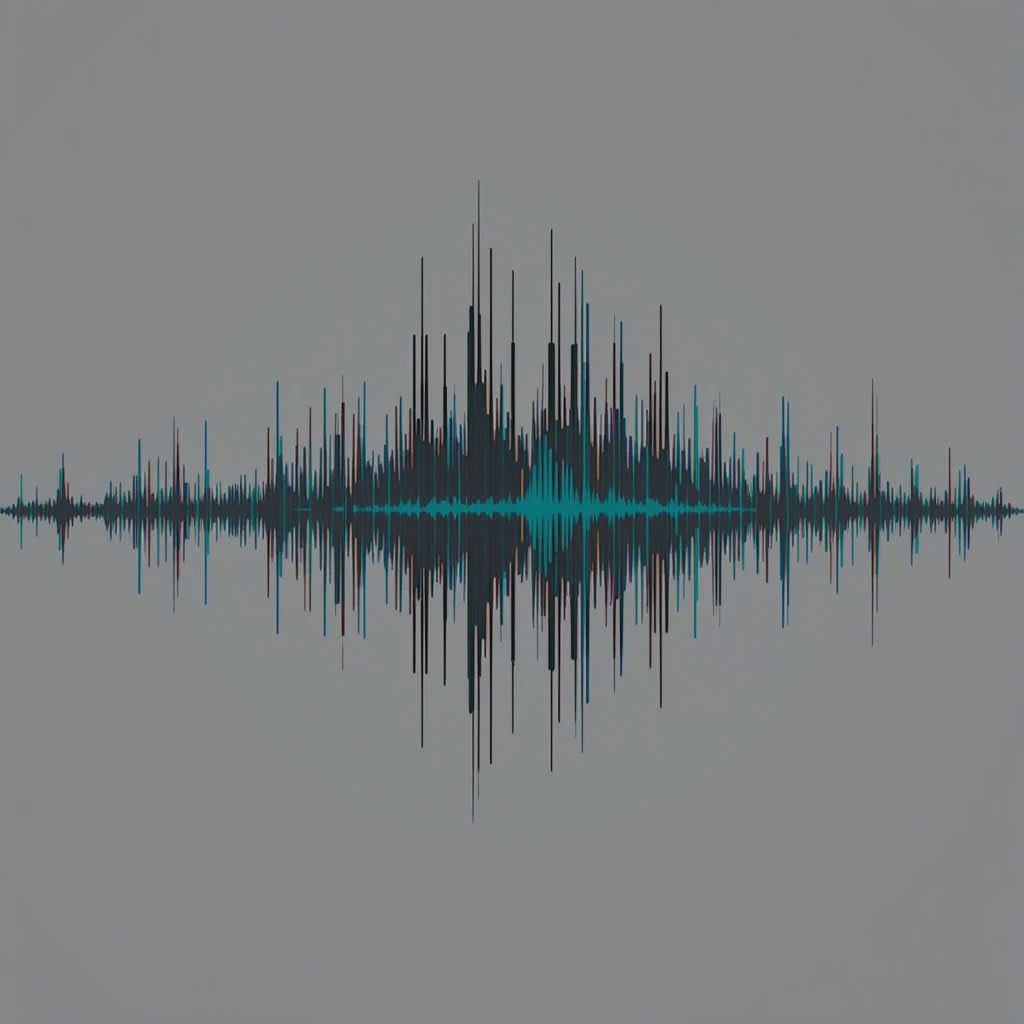
In the rapidly evolving world of music production and digital audio, AI vocal remover tools are making waves. Whether you’re a musician, content creator, or just someone who enjoys singing karaoke, you’ve likely come across the concept of removing vocals from songs. But how exactly does it work? And why is AI-powered vocal removal becoming such a hot trend in 2025?
This article explores what AI vocal removers are, how they work, their benefits, and their growing impact on the music and entertainment industries.
Understanding the Basics
A vocal remover is a software or tool that isolates and removes the vocal track from a mixed audio file, typically a song. Traditionally, this process involved phase cancellation techniques or frequency filtering, which had limited success and often distorted the music.
However, with the rise of artificial intelligence, a new generation of tools — AI vocal removers — has emerged, offering much more accurate and high-quality results. These tools can separate not just vocals, but also instruments, background sounds, and effects, thanks to machine learning and neural network algorithms trained on thousands of songs.
How Does an AI Vocal Remover Work?
At its core, an AI vocal remover uses deep learning techniques, particularly source separation algorithms, to distinguish and extract different components of an audio track.
Here’s a simplified breakdown of the process:
Audio Input: The user uploads an MP3, WAV, or other audio file into the tool.
Audio Analysis: The AI analyzes the track using models trained on large datasets to identify and isolate vocals.
Source Separation: It separates the audio into multiple stems — typically vocals and instruments (bass, drums, piano, etc.).
Output Generation: The user gets downloadable files — one with just the instrumental version and another with isolated vocals.
This level of accuracy was impossible just a few years ago. Thanks to machine learning, these tools improve continuously as they process more music.
Popular Use Cases of AI Vocal Removers
AI vocal removers are not just niche tools for producers anymore. Here are some common applications:
1. Karaoke Creation
One of the most popular uses is karaoke. By removing vocals from any song, users can create instant karaoke tracks without waiting for official versions.
2. Music Sampling and Remixes
Producers can isolate specific vocal lines or beats to use in remixes, mashups, or electronic music productions.
3. Content Creation and YouTube
YouTubers, TikTokers, and other content creators use AI instrumental versions to add background music without copyright claims or to create music tutorials.
4. Educational Purposes
Music teachers and students use AI vocal removal to isolate parts for practice or analysis, such as listening to only the piano or vocals.
Benefits of AI Vocal Removers
The reason these tools are becoming so popular is due to the many advantages they offer:
1. High Accuracy
Unlike traditional vocal removers, AI tools can distinguish between vocals and instruments more precisely, leading to cleaner output.
2. Time-Saving
No need for complex software or manual editing. Upload a track, click a button, and get your instrumental within minutes.
3. No Expensive Equipment Required
Most AI vocal remover apps are either free or affordable, making them accessible to beginners and hobbyists.
4. Cloud-Based Access
Many services are cloud-based, so there's no need for high-performance hardware. You can remove vocals from songs online without downloading anything.
Best AI Vocal Remover Tools in 2025
Here are some of the top-rated AI vocal remover websites and apps as of 2025:
Moises.ai: Offers real-time stem separation, key and pitch adjustments.
LALAL.AI: Known for its accuracy in isolating vocals and various instruments.
Vocal Remover Pro: Offers batch processing and karaoke creation tools.
Spleeter by Deezer: An open-source AI tool widely used by developers and musicians.
These platforms cater to different needs — from casual karaoke lovers to serious audio engineers.
Why AI Vocal Remover is Trending in 2025
The term "AI vocal remover" is currently trending on Google Trends, TikTok, and Reddit, thanks to its growing use in creative industries. Some related SEO keywords seeing high search volume include:
"Remove vocals from song online free"
"Best AI karaoke maker"
"Instrumental song extractor"
"Isolate vocals using AI"
This trend reflects a broader shift in how technology is democratizing music creation and consumption.
Is AI Vocal Removal Legal?
Yes, but with some caveats. Using AI to remove vocals from songs for personal use (like karaoke or practice) is generally legal. However, using those modified tracks commercially — for YouTube monetization, remixes, or distribution — may infringe on copyright laws unless you have permission from the original rights holders.
Always check the copyright status of the track before using it beyond personal enjoyment.
The Future of Audio Editing
The rise of AI vocal remover tools marks a significant step forward in digital audio editing. With just a few clicks, anyone — regardless of skill level — can manipulate complex audio tracks, remove vocals, remix songs, or create custom karaoke tracks.
As AI in music production continues to evolve, we can expect even more precise tools, including real-time vocal separation, emotion-based editing, and integrated DAW (Digital Audio Workstation) capabilities.
So whether you're a seasoned producer, a casual karaoke fan, or an aspiring artist, AI vocal removers offer a powerful new way to interact with music in 2025.
About the Creator
Keramatullah Wardak
I write practical, science-backed content on health, productivity, and self-improvement. Passionate about helping you eat smarter, think clearer, and live better—one article at a time.
Keep reading
More stories from Keramatullah Wardak and writers in Beat and other communities.
How the iPhone 17 Pro Max Will Be Like?
Apple fans and tech enthusiasts around the world are already buzzing with excitement over the upcoming iPhone 17 Pro Max—expected to be the most advanced iPhone yet. While Apple has not officially launched the device, leaks, rumors, and trusted industry insiders have painted a compelling picture of what we can expect. In this article, we’ll explore how the iPhone 17 Pro Max will be like, covering everything from design and performance to camera technology, software features, and market positioning.
By Keramatullah Wardak10 months ago in Futurism
Review of 'Man on the Run'
My wife and I saw Man on the Run, a nearly 2-hour documentary on Amazon Prime, about Wings, Paul McCartney's group that flew around the world from shortly after The Beatles broke up in early 1970 to shortly after John Lennon was murdered at the end of 1980, making a Beatles reunion forever impossible.
By Paul Levinson3 days ago in Beat
Pearl
1980 something. we all hung out at Pearl and you and i were nothing special, or so i thought. i mean we all danced, drenched in our own sweat, our own saline solution of fear, too many beers, shots, laughter, tears, fucks in the bathroom and i don't know when we began to be afraid. do you?
By ROCK aka Andrea Polla (Simmons)6 days ago in Fiction


Comments (1)
This is fascinating. I've always been curious about how vocal removers work. You mention traditional methods had limitations. Have you tried using these AI vocal removers? I wonder how they'd fare with complex, multi-layered tracks. It seems like a game-changer for musicians and content creators.