
What are the most Important Parts of Becoming an Audio Engineer?
What training should an audio engineer have?
Starting as a beginner in audio engineering? Well, I know the butterflies in your stomach, The rush, the buzz, questions, and type of issues you are facing and thinking about. But believe me once you start to get going, it becomes easier.
I've been in the industry for over 2 decades, and have experienced the drastic change in music, recording audio, Mixing and mastering, and the trends of listeners. And I'm going to share some really helpful insights, and resources to help you understand what you need to become a good audio engineer.
You Can't Run from the technical Stuff:
Yes, there is a big role in sensing, feeling and evaluating the alignment of different components in an audio. But all that is enhanced with your technical knowledge and experience.
And believe me, when I'm talking about technical knowledge, it should be technical to understand different genres and different types of audio and how to make a perfect blend of the art. But 1 thing that I can assure you is that you have to be patient, and don't get too caught up in the process. Be patient, you might have to record and engineer 100 bad recording to finally get a good one done.
For learning, you can either use free tools like Audacity, which is a very good and FREE tool that has the ability to make the audio a lot better. And you can use that for making the audio crisp clear, cancel noise and EQ as well.
But if you have enough money, then getting your hands on the premium tools will be a good option for you. From Ableton Live to Pro Tools, there are plenty of tools which different audio engineers use. Although Reaper is considered one of the most versatile and also the most inexpensive DAW tools.
If you are a college student reading this, boy, you have the best time and opportunity. go do mixing and mastering for your college band, and engineer multiple recordings to get an idea and some experience. And in this period you have that margin of doing errors, and learning new things. Although, learning is a life-time process and you have to adopt things while you grow. But you should learn the basics early. As, it'll help you get going.
Understand What Works for You the Best:
You have to understand what works the best for you, and you have to understand the software and choose the training that helps you set up the studio. Because you need the best quality sound for any type of recording. And that is the reason, you should understand the best approach for your yourself.
From my experience, I do EQ at first, although you might not find this effective. Because everyone uses different approaches, and they do the trick as they want. But for me it sounded more compressed and clear in the beginning. I tried both.
If you are into audiobook and podcast engineering, you have to mix audio, create video, and add images at the same time. So, then you can consider using the software named "AVS4YOU". It is also one of the most well-known and a very compatible software in terms of handling this kind of tasks.
Learn More, Experiment More:
Don't just stick around with the basics. Because either you want it or not, you have to upskill your learning. And that is why you should jump into various genres, Recording sessions, and types of recordings.
At first, don't bound your limits. Try commercial recordings, try small concerts, and experiment with multiple tools and techniques to create diversity and creativity in your work. And believe me, this is what I do: experience more. But you have to keep in mind that experimenting doesn't always come up with a good result. And you have to be prepared for that. And I'm saying that you should do just experiments. No, there will be a voice in your head and mind while experimenting that you have to focus more on a specific type or style. And you have to do the experiment just to get a better understanding and become better at what you want to do.
Adapt New Learning Technologies:
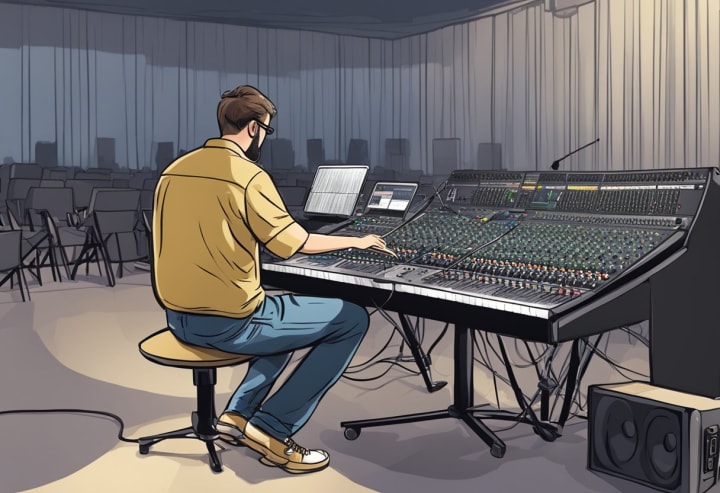
Learning new technologies is very important in this job. You have to keep in mind the latest trends and the types of tools and services artists are usually interested in. And the quicker you adjust and learn new technologies, the better it'll be for you. It'll help you align with modern requirements. But you have to focus on the area in which you are interested. If you are an editing person, then spend more time editing and refining audio. And now that there are countless AI tools out there, find one, do experiments and learn the ideal strategy.
Try To Work For a Studio:
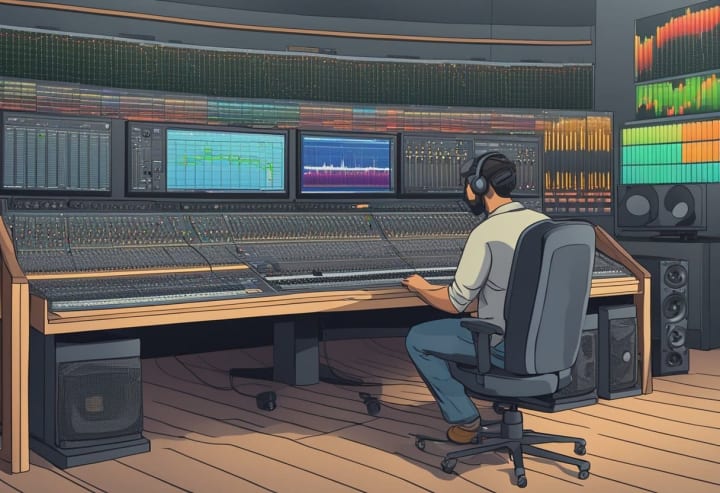
Working for a studio is what polishes you a lot in the journey. I started my internship when I was 19, and that paid off a lot. From finding the right solutions to having the freedom to try and learn., There would be plenty of things for you to understand. Like the best Audio Engineers in Classy Studio have the skill to get it all done in the most ideal manner possible. Because they are a good name in many parts of the world. Especially in the UK and in Pakistan. From its global presence and 2 decades of experience, you can evaluate why they have top-level engineers. So, always try to get into a reputed audio studio.
Conclusion:
There are multiple aspects of training of an audio engineer. From learning the technical stuff and diving into the depths, to figuring out what will work best for you. And from learning and experimenting to try to get in a studio. You have to trust the process and understand the field while doing experiments and making a strong grip into it.
About the Creator
Keep reading
More stories from writers in Beat and other communities.
The Rivers of Babylon
The iconic disco group Boney M from the 1970s left an indelible mark on the music world with their infectious beats and unforgettable melodies. Formed in West Germany, the group's vibrant sound, blending Caribbean rhythms with European pop sensibilities, quickly catapulted them to international stardom.
By Rasma Raisters3 days ago in Beat
Top tipple tricks
Been thinking a lot about drinking, lately. Not least because of a recent episode of over-indulgence and the inevitable after effects. Some readers may recall the earlier articles I wrote about beating the booze. Here I set out an experiment in techniques for cutting down on my alcohol intake. The experiment was successful, the techniques worked, and I have armed myself with an arsenal of weapons in the war against the demon drink. I have yet to fire the first round however. It's all a question of timing (perhaps procrastination).
By Raymond G. Taylor7 days ago in Psyche



Comments
There are no comments for this story
Be the first to respond and start the conversation.