
Unlock Your Signature Tone: 7 Expert Guitar Tweaks That Make All the Difference
When it comes to making your guitar truly your own, nothing beats dialing in a signature tone that speaks to your style and musical identity. While many players focus on buying the latest pedals or amps, the secret often lies in the subtle tweaks you can make to your instrument itself.


In this article, we’re diving deep into seven expert guitar tweaks that can transform your sound. From adjusting pickup heights to modern wiring mods, these modifications aren’t just cosmetic — they’re all about unlocking the hidden potential of your guitar, ensuring that every note rings out with clarity, warmth, and character.
In the competitive world of music, having a distinctive tone is essential. Whether you’re a blues player chasing that fat, creamy overdrive, a rock guitarist who needs biting clarity, or an experimental musician pushing boundaries, your guitar’s voice is your most valuable tool. And while many adjustments may seem minute, each tweak plays its part in shaping a tone that is both personal and powerful. The advances in technology and materials have also opened the door to a host of new modifications that promise improved performance and versatility. In the paragraphs that follow, we explore each tweak in detail, providing insights, technical guidance, and even some of the latest updates to ensure that you’re not only keeping pace with today’s trends but also setting your own standards.
1. Fine-Tuning Pickup Height and Positioning
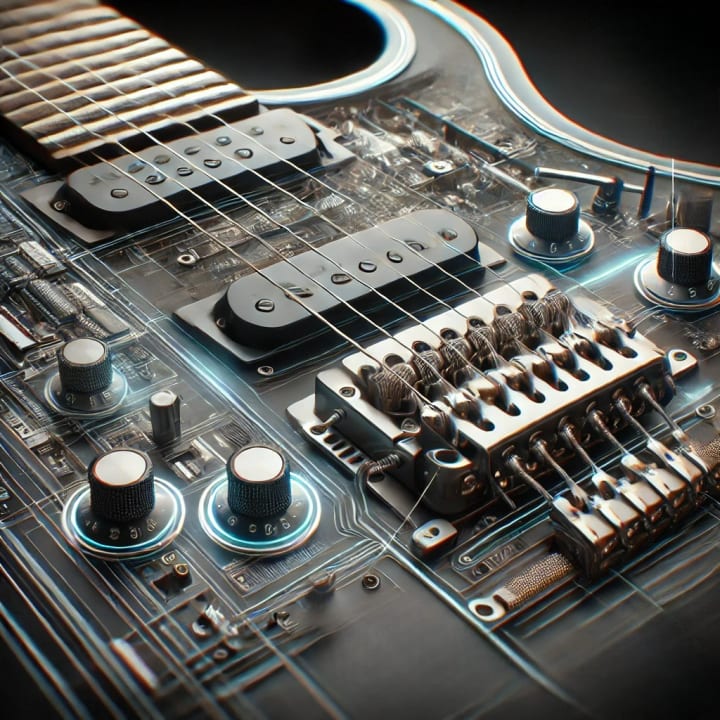
The pickups in your guitar are arguably its heart — they capture string vibrations and shape the initial sound that flows through your amp. Adjusting the pickup height is one of the simplest yet most impactful tweaks you can perform. When pickups are too close to the strings, they can produce a harsh, overly aggressive tone. Too far away, and you might lose clarity and volume.
What to Consider:
Distance and Balance: Experiment by gradually lowering or raising the pickups. Focus on maintaining a balance between the bass and treble elements. A slight change of even a millimeter can alter the tone.
Modern Tools: Today, many luthiers and DIY enthusiasts use digital calipers and specialized gauges for precision adjustments. These tools not only help achieve the perfect distance but also ensure that both sides of the pickup are aligned evenly relative to the strings.
Positioning Options: Some guitars allow for lateral movement of the pickup. Shifting it slightly towards the neck can emphasize warmer tones, while moving it towards the bridge brings out brighter, more cutting highs.
Latest Updates:
Recent innovations in adjustable mounting systems mean you can now make micro-adjustments without removing screws or risking damage. These systems, sometimes integrated into boutique models, provide a level of precision that was once only available in professional repair shops.
2. Upgrading Electronics: Pots, Capacitors, and Wiring
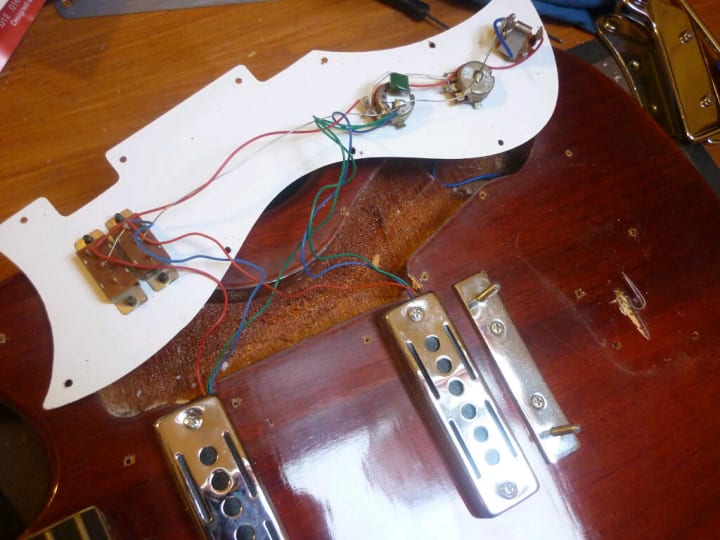
The internal electronics of your guitar might not be the most glamorous aspect, but they are crucial in defining your tone. Stock components are often designed for cost efficiency rather than optimal sound quality. Upgrading these parts can result in a cleaner, more responsive signal.
Key Components to Upgrade:
Potentiometers (Pots): Replacing standard pots with high-quality audio-tapered ones ensures smoother volume and tone control. Many players opt for brands known for reliability and clarity, which can help maintain signal integrity even at lower volume settings.
Capacitors: Tone circuits rely on capacitors to filter frequencies. Upgrading to premium capacitors can provide a richer tone with improved clarity. Some modern capacitors are engineered to deliver a more linear response, reducing unwanted loss of high frequencies.
Wiring and Soldering: Replacing old wiring with shielded cables and using modern soldering techniques can eliminate unwanted hum and noise. Meticulously routed wiring also minimizes interference, ensuring your tone remains pure from pickup to output.
Modern Advances:
The guitar community is now embracing “hot-rodding” techniques that include using low-noise, high-stability components. Boutique suppliers offer hand-matched components that not only enhance performance but also add a touch of personalization to your instrument’s internals.
3. Experimenting with String Gauge and Material

It’s often said that the strings are the voice of the guitar. And rightly so — a change in string gauge or material can drastically alter your tone, sustain, and overall feel.
Understanding String Options:
Gauge: Heavier gauge strings typically produce a fuller, richer tone with more sustain, while lighter gauges are easier to bend and allow for a more expressive playing style. Experimenting with different gauges helps you find a balance between playability and tonal depth.
Material: The material of your strings also plays a critical role. Pure nickel strings, for instance, provide warmth and vintage character, while stainless steel strings tend to offer a brighter, more cutting sound. Innovations in string coating technology have also led to longer-lasting strings that resist corrosion without sacrificing tone.
Coated vs. Uncoated: Coated strings have become increasingly popular. They not only extend the life of your strings but also maintain a consistent tone over time, even as the strings age.
Latest Trends:
Manufacturers are continually experimenting with new alloys and coating processes. Some modern strings are designed to provide enhanced brightness while still delivering the warmth that vintage players cherish. The ability to mix and match different string types on multi-string instruments has given rise to truly unique tonal palettes.
4. Optimizing Setup: Action, Intonation, and Neck Relief
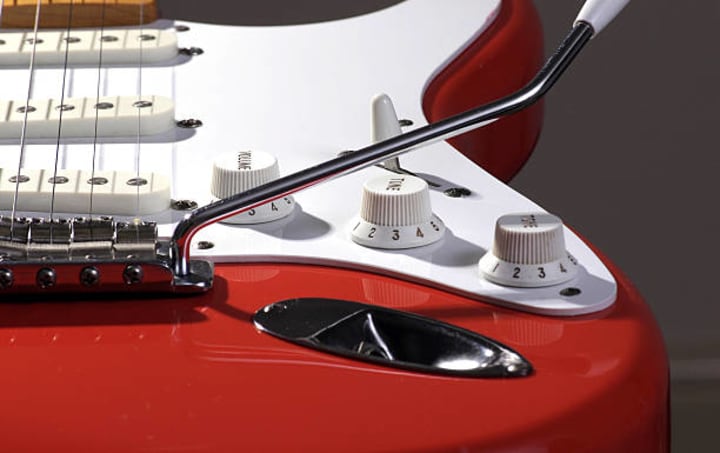
A well-set-up guitar is like a finely tuned instrument in an orchestra; every detail matters. Proper setup is critical for ensuring that your tone isn’t compromised by mechanical imperfections.
Focus Areas in a Setup:
Action: The height of the strings above the fretboard can influence both playability and tone. Lower action makes for easier fretting and faster playing, but too low can cause buzzing. Finding the ideal height is a balancing act that can enhance your tone clarity.
Intonation: Poor intonation can make even the best pickups and strings sound off-key. Adjusting the saddles to ensure that every note rings true is essential. A small tweak here can make a big difference in how chords and solos are perceived.
Neck Relief: The curvature of the neck, or relief, affects how the strings interact with the frets. A slight adjustment to the truss rod can reduce buzzing and improve sustain, allowing every note to resonate as intended.
Innovative Techniques:
Advances in setup technology now allow for more precise adjustments. Laser-guided tools and digital measurements have made it easier to achieve a near-perfect setup. This means that even subtle changes, like a slight alteration in neck relief, can be dialed in with pinpoint accuracy, ultimately impacting the tonal response.
5. Bridge and Saddle Customizations
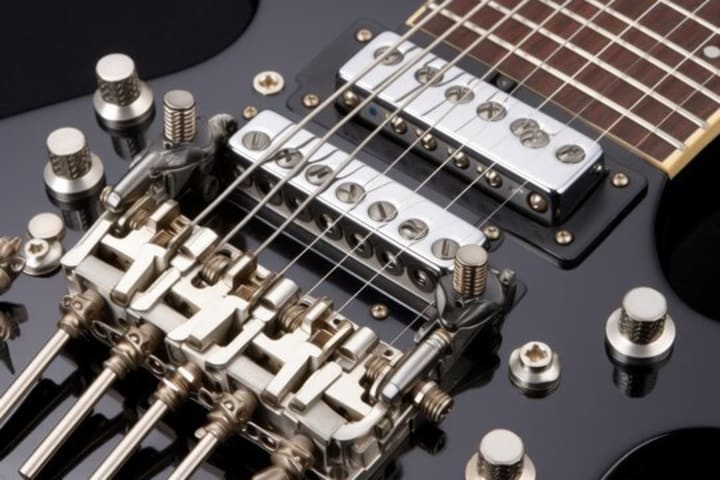
The bridge and saddles are where your strings meet the body of the guitar, and they play a significant role in tone production. Altering these components can enhance sustain, improve clarity, and add a unique character to your sound.
Customization Options:
Material Choices: Upgrading to saddles made from modern materials like graphite or even high-tech composites can dramatically influence the resonance of your guitar. These materials often provide better stability and sustain compared to traditional options.
Saddle Design: Consider experimenting with different saddle designs. Some players have found that slight changes in the shape or thickness of the saddle can improve the way the string vibrates, leading to a more balanced tone.
Bridge Adjustments: Beyond the saddle, the overall design of the bridge matters. For example, a bridge with enhanced adjustability allows for micro-adjustments in string spacing and angle, factors that are critical in achieving a personalized sound.
Current Innovations:
Modern bridge designs are incorporating modular elements that allow for quick swaps and adjustments. Some designs even come with built-in damping systems to control unwanted overtones, ensuring that the primary tone remains clean and focused.
6. Switching and Wiring Mods for Versatility
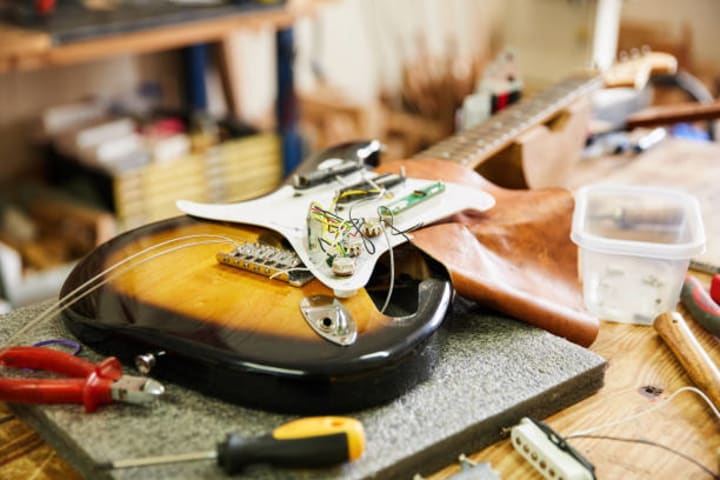
One of the greatest benefits of guitar tweaking is the ability to expand your tonal palette through creative wiring modifications. These mods can give you access to sounds that were previously out of reach without investing in an entirely new instrument.
Popular Wiring Mods:
Coil Splitting and Tapping: Many modern guitars offer the option to split humbuckers into single-coil mode. This mod can provide a significant tonal shift, giving you a more versatile range of sounds — from warm, fat tones to crisp, bright single-coil chimes.
Phase Switching: Adding a phase switch to your wiring can further diversify your sound. A phase switch reverses the polarity of one pickup, which can create a thinner, more quacky tone that’s perfect for funk and certain rock styles.
Series/Parallel Configurations: Changing the wiring configuration between series and parallel can also affect your output. While series wiring tends to provide a thicker, more powerful sound, parallel wiring can deliver clarity and responsiveness.
Read full article here- Unlock Your Signature Tone: 7 Expert Guitar Tweaks That Make All the Difference
About the Creator
Guitarmetrics | Your One-Stop Hub for Guitar Lessons & Accessories
Welcome to Guitarmetrics, where the world of guitars comes to life! Our platform is more than just a destination for unique and innovative guitar accessories—it’s a thriving blog and community for guitar enthusiasts around the globe.
Keep reading
More stories from Guitarmetrics | Your One-Stop Hub for Guitar Lessons & Accessories and writers in Beat and other communities.
Revealed: The Secret Guitar Techniques Rock Legends Don’t Want You to Know
Today, we’re diving deep into the arsenal of these guitar heroes. In this post, we’ll explore the real techniques that have defined eras of rock, uncover the latest updates shaping modern playing, and provide a roadmap to mastering these skills. Whether you’re a beginner or a seasoned shredder, prepare to have your musical mind blown.
By Guitarmetrics | Your One-Stop Hub for Guitar Lessons & Accessories12 months ago in Beat
Prentiss Banks on Mentorship, Accountability, and Guiding the Next Generation
Purpose can emerge from the most unexpected places. For Prentiss Banks, decades spent behind prison walls have become the foundation for a powerful mission centered on mentorship, youth development, and community awareness. Banks has spent more than thirty years reflecting on the decisions that changed his life and the lessons he believes young people should hear before it is too late.
By Tammy Reesea day ago in Beat



Comments (1)
I love signature tones! Great work