
Trek to the Thunder: Unveiling the Power of Dudhsagar Waterfall
Trekking to Dudhsagar is more than a quick weekend getaway
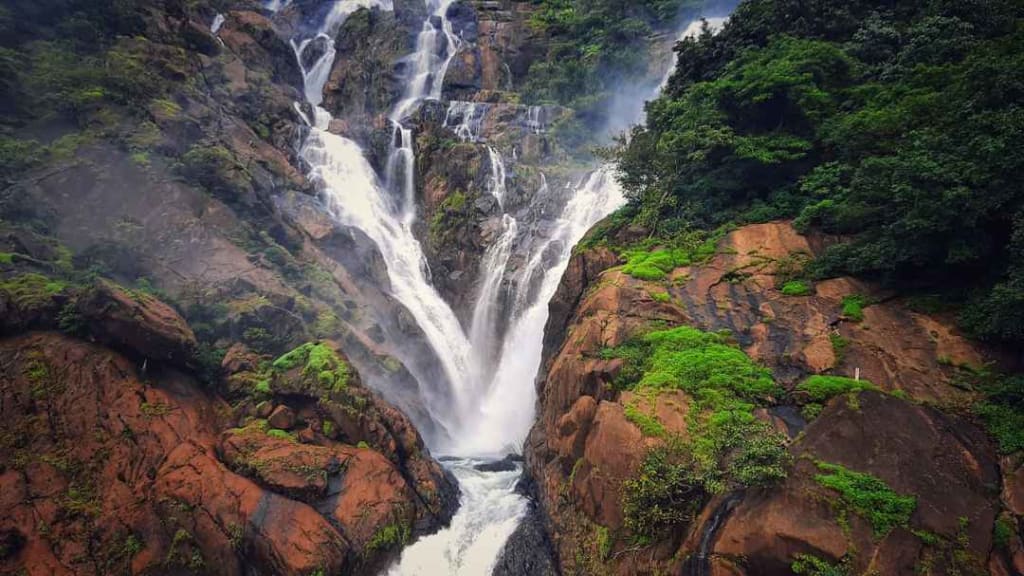
Some treks stay with you long after the mud has washed off your shoes and the echo of rushing water has faded from your ears. Dudhsagar Waterfall—roaring down the Western Ghats like an avalanche of milk—is one of them. Whether you’re a seasoned trekker or a curious traveller craving an adrenaline-filled escape into nature, this trail promises a rare blend of raw power, evergreen beauty, and monsoon drama. Let me take you along on this journey, just as I would guide a close friend gearing up for their first Dudhsagar trek.
Into the Heart of the Ghats: Why Dudhsagar Captivates Every Traveller
The name Dudhsagar literally translates to “Sea of Milk,” and once you lay eyes on this multi-tiered waterfall plunging nearly 310 meters, you’ll understand why. The sight is breathtaking—dense forests wrapping the cliffside, mist rising like white smoke, and the thunderous roar shaking the earth beneath you. It’s not just the waterfall itself, though; the trail leading to it is just as enchanting.
The Dudhsagar trek became famous after the iconic train-shot scene in the movie Chennai Express, but long before Bollywood spotlighted it, trekkers and nature lovers were already exploring this untouched corridor of the Western Ghats. What keeps it authentic today is the sense of wilderness—lush canopies, leeches in monsoon, narrow jungle paths, and the constant soundtrack of cicadas and rushing streams. It’s the perfect blend of thrill and tranquility.
How to Reach: Picking Your Perfect Route
Reaching Dudhsagar Falls is a mini-adventure in itself, and it depends on how you prefer to experience it. Most travellers arrive either from Goa or Karnataka, with Madgaon, Kulem, and Castle Rock being the key gateways. If you’re coming from Goa, Kulem (also known as Kullem) is your best starting point. From Bangalore or coastal Karnataka, Castle Rock is more convenient.
You can choose between two popular trekking routes:
The Kulem Jungle Route
This is the classic monsoon trek through dense Bhagwan Mahavir Wildlife Sanctuary. The trail involves walking along forest paths, crossing streams, and occasionally navigating slushy terrain. It’s scenic, challenging, and ideal for travellers seeking the raw trekking experience.
The Railway Track Route (Partial)
Earlier, trekkers used the full railway track route from Castle Rock, but now trekking on active railway tracks is strictly restricted for safety reasons. However, parts of the path can still be accessed through guided tours that use forest trails parallel to the tracks. Always confirm the latest rules before planning.
If you’d prefer to skip the trek entirely, Kulem also offers jeep safaris (seasonally permitted) that take you through the sanctuary to a viewpoint near the waterfall. This is a great option during peak monsoon when trekking can get risky.
Best Time to Visit: Picking the Ideal Season
Dudhsagar is a spectacle throughout the year, but the experience changes dramatically with the season. If you're craving the full drama—the thunderous roar, the mist clouds, the swelling streams—then July to September is when the waterfall is at its absolute best. However, this is also when the trek is the most challenging due to rain, slippery trails, and leeches.
For those who want a safer, easier trek without compromising on beauty, October to January is ideal. The weather is pleasant, the forest glows lush and green, and the water flow remains strong. Avoid visiting in peak summer months like April and May, as the heat makes the trek uncomfortable and the falls lose some of their intensity.
The Trek Experience: A Journey Through Rain, Forest, and Thunder
If you’re tackling the trek from Kulem, be prepared to walk anywhere between 11–14 km (round trip), depending on the exact trail taken. The first stretch is relatively gentle, guiding you through moist deciduous forests alive with bird calls and the occasional monkey watching your every move. As you move deeper into the sanctuary, the terrain gets muddier, streams get wider, and the canopy closes in.
This is where the real magic begins. Every few meters, you hear the faint rumble of the waterfall, but it remains hidden behind thick foliage. Only when you reach the railway bridge viewpoint does Dudhsagar reveal herself—tall, mighty, and endlessly cascading in milky torrents. The moment is surreal. Mist sprays your face, your clothes cling to your skin, and for a few minutes, all the hours of trekking feel immensely worth it.
Local tip: Carry a waterproof bag, secure your electronics, and expect to get soaked even if it isn’t raining. Dudhsagar has a way of drenching everyone with her own natural monsoon.
If you're visiting during the monsoon, keep an eye out for fast-rising streams. Forest officials and guides monitor the situation closely, but it’s wise to respect their instructions. Safety always comes before scenery.
Nearby Attractions & Suggested Itineraries: More to Explore
While Dudhsagar is the undeniable star, the region around it is full of experiences worth adding to your itinerary. Just a short distance away lies the Tambdi Surla Mahadev Temple, a 12th-century masterpiece hidden deep in the forest. It’s one of those places where time feels frozen and history whispers through every carved stone.
If you’re approaching from Goa, combine your trek with a relaxing day at Collem village, known for spice plantations, riverfront walks, and wildlife sightings. For wildlife lovers, the Bhagwan Mahavir Wildlife Sanctuary itself is a treasure trove—home to leopards, gaurs, deer, and a rainbow of bird species.
A great 2-day itinerary would be:
Day 1: Arrive in Kulem → Evening village exploration
Day 2: Early morning Dudhsagar trek → Post-trek lunch → Visit Tambdi Surla or head back toward Goa
For a longer escape, you can add Devil’s Canyon, Mollem National Park, and even a quick detour to South Goa’s butter-soft beaches.
Practical Tips: Safety, Budgeting & What to Expect
Trekking to Dudhsagar isn’t extremely technical, but it does require preparation. Good trekking shoes with a strong grip are non-negotiable, especially during the monsoon. Carry at least one liter of water, snacks like bananas or energy bars, and a lightweight rain jacket.
If you’re traveling on a budget, train travel to Kulem or Castle Rock is usually the cheapest option, followed by shared taxis. Guided treks typically cost between ₹1,000–₹2,000, depending on inclusions. Jeep safaris (when operational) may cost slightly more but save a lot of effort.
Safety guidelines are strict here—and for good reason. Swimming near the falls is prohibited due to unpredictable currents. Always stay within marked zones and respect forest regulations. And yes, leeches are a part of the monsoon charm; just carry salt or a small paper packet of ash, and you’ll be fine.
Your Dudhsagar Story Awaits
Trekking to Dudhsagar is more than a quick weekend getaway—it’s an experience that grips your senses, tests your endurance, and rewards you with a sight so powerful it stays etched in your memory. It’s the kind of adventure you proudly recount months later, smiling at the chaos, the rain, the mud, and the thrill of standing before one of India’s most majestic waterfalls.
If you’re seeking authenticity, a break from predictable tourist plans, and a journey that reconnects you with nature’s raw strength, then pack your bag—Dudhsagar is calling.
About the Creator
prince sain
Hey, I’m Prince, and I love traveling. Exploring new places and meeting new people is my jam. I get super excited about finding cool stuff in different places and learning about different cultures.
Keep reading
More stories from prince sain and writers in Beat and other communities.
Trail to the Thunder: A Complete Guide to the Dudhsagar Waterfall Hike
Few treks in India blend raw wilderness, railway nostalgia, and thunderous natural beauty the way Dudhsagar Waterfall Trek does. Cascading like a river of milk down the Western Ghats—“dudh” meaning milk—the falls roar with a power that you don’t just see, but feel. If you're someone who chases authentic outdoor experiences and dreams of immersing yourself in pristine nature, this guide will walk you through everything you need to know before you hit the trail.
By prince sain2 months ago in Beat
Ludacris and Nelly draw backlash over bookings at MAGA-coded music festival
Ludacris and Nelly headlining a mostly right-wing event is good for them. It’s also great for the genre of hip hop. The two rap veterans have showcased their talents on other stages. Why can’t they perform for mostly MAGA folks and grab that bag?
By Skyler Saunders2 days ago in Beat
Complete Checklist: What to Inspect on a Used Electric Guitar Before Buying
Buying a used electric guitar can save you hundreds—even thousands—of dollars compared to purchasing new. But without a systematic inspection, that "great deal" can quickly turn into an expensive lesson in hidden repair costs. Whether you're browsing a local shop, meeting a Craigslist seller, or evaluating photos on Resyn, knowing exactly what to check can mean the difference between landing a gem and getting stuck with a lemon.
By Resyn Marketplace6 days ago in Beat


Comments
There are no comments for this story
Be the first to respond and start the conversation.