
Tik Tok Bops
How Social Media Is Helping Emerging Music Artists Gain Popularity

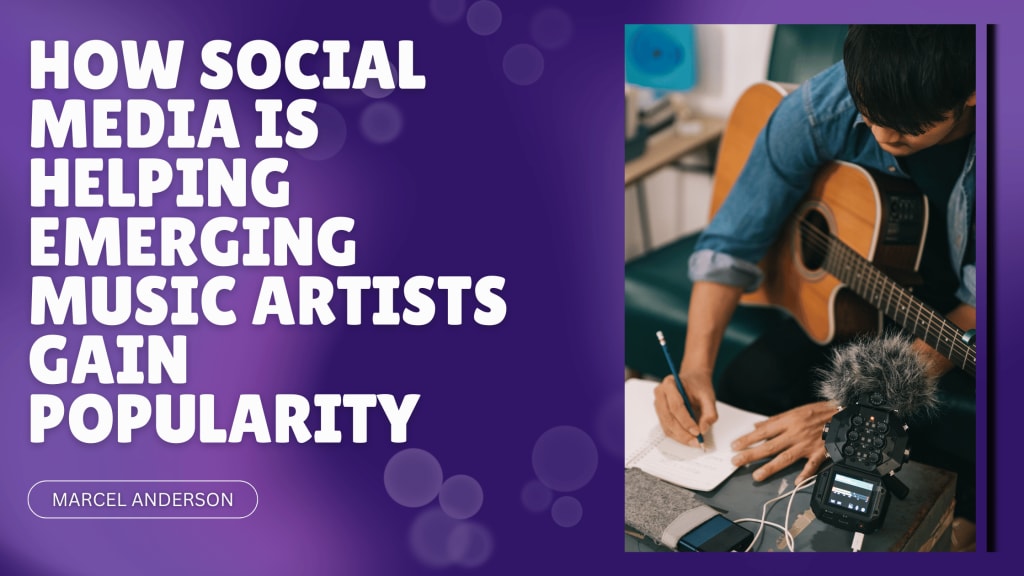
Until the past couple of decades or so, breaking into the music industry required a record deal, radio play, and significant financial backing. However, the rise of social media has transformed the way emerging artists gain popularity. Platforms like TikTok, Instagram, YouTube, and X (formerly Twitter) provide independent musicians with direct access to global audiences, leveling the playing field. Through strategic engagement, viral content, and digital marketing, social media has become an essential tool for artists looking to build a fanbase and launch their careers.
Breaking Barriers to Entry
Before social media, aspiring musicians had to rely on talent scouts, record labels, and industry connections to gain exposure. Now, artists can upload their music online and reach thousands—if not millions—of listeners without any intermediaries. Streaming platforms like Spotify and Apple Music complement this accessibility, but social media remains the primary tool for discovery.
Platforms such as TikTok have revolutionized the way music spreads. A short clip featuring a catchy song can quickly go viral, leading to millions of streams and newfound recognition. Take the example of Lil Nas X, whose song Old Town Road gained traction through TikTok before topping the Billboard charts. This demonstrates how social media allows artists to bypass traditional gatekeepers and connect with audiences directly.
Building a Personal Brand
Social media is more than just a place to share music—it allows artists to create a personal brand. Fans today expect more than just songs; they want to connect with artists on an individual level. By sharing behind-the-scenes content, live Q&A sessions, and personal stories, musicians can cultivate a loyal following.
Instagram and TikTok enable artists to showcase their personalities through short-form videos, stories, and reels. Meanwhile, YouTube serves as a platform for longer content such as music videos, vlogs, and live performances. X (formerly Twitter) allows for direct interaction with fans, fostering a sense of community and engagement. These platforms give emerging artists the ability to control their image and narrative without the influence of a record label.
The Power of Virality
One of the biggest advantages of social media is the potential for virality. A single post or video can catapult an unknown artist into the spotlight overnight. Platforms like TikTok, Instagram Reels, and YouTube Shorts thrive on viral content, and music often plays a central role in trends and challenges.
Artists can increase their chances of going viral by collaborating with influencers, using trending hashtags, and participating in popular challenges. Many musicians encourage fans to create user-generated content using their songs, which boosts exposure and engagement. Viral trends have propelled artists like Doja Cat, Olivia Rodrigo, and The Kid LAROI to mainstream success, proving that the right moment on social media can be career-defining.
Monetization and Financial Independence
Social media does not just help artists gain popularity—it also provides opportunities for financial independence. Platforms like YouTube and TikTok offer monetization options through ad revenue, brand partnerships, and virtual tipping. Additionally, independent artists can use crowdfunding platforms like Patreon or Kickstarter to fund their projects directly through fan support.
Live streaming has also become a lucrative way for musicians to earn money. Artists can perform live on Instagram, TikTok, or Twitch while receiving virtual gifts, donations, or ticket sales for exclusive performances. This direct-to-fan model allows musicians to make a living without signing restrictive record deals, giving them more control over their careers.
Collaboration and Networking Opportunities
Social media fosters collaboration between artists, producers, and industry professionals. By connecting with fellow musicians online, artists can collaborate on projects, remixes, and covers, further expanding their reach. Platforms like SoundCloud and Bandcamp have long been used for this purpose, but social media has amplified networking possibilities.
Additionally, record labels and talent scouts frequently scout for new talent on social media. Many artists have been discovered through viral videos or consistent online presence, leading to record deals and performance opportunities. Even those who prefer to stay independent benefit from networking with producers, videographers, and marketing professionals who can help elevate their brand.
Social media has undeniably changed the music industry, offering emerging artists unprecedented opportunities to gain exposure, build their brand, and monetize their talent. By leveraging platforms like TikTok, Instagram, YouTube, and X, independent musicians can reach global audiences without traditional industry barriers. While talent and dedication remain essential, the ability to navigate social media effectively has become a crucial skill for success in the modern music landscape.
About the Creator
Marcel L. Anderson
A Harvard & NYU Law grad, Marcel L. Anderson is the founder of MyConnect.Ai, leading in tech, law & philanthropy fostering connections & driving social good. Visit him on LinkedIn for more information!
Keep reading
More stories from writers in Beat and other communities.
Ludacris and Nelly draw backlash over bookings at MAGA-coded music festival
Ludacris and Nelly headlining a mostly right-wing event is good for them. It’s also great for the genre of hip hop. The two rap veterans have showcased their talents on other stages. Why can’t they perform for mostly MAGA folks and grab that bag?
By Skyler Saunders5 days ago in Beat
Wild Card Weekend Recap: What Happens Now?
I think I figured out why I love Wild Card Weekend so much. It's because it's the first playoff anything of the calendar year. The NFL season starts in the fall, and once upon a time, the champion was crowned either on or slightly before New Year's. The evolution of the NFL schedule has resulted in the playoffs starting just into the New Year, and currently, the final week of the season falls on the first weekend of the New Year, with Wild Card Weekend coming a week after that. So yes, chronologically, the NFL's Wild Card Weekend serves as the first playoff anything of the calendar year.
By Clyde E. Dawkins7 days ago in Unbalanced




Comments
There are no comments for this story
Be the first to respond and start the conversation.