
The Secret Jungle of Jaipur: Jhalana Leopard Safari Uncovered
The Jhalana Leopard Safari offers an unexpected but extraordinary wildlife experience right within the boundaries of a historical city.
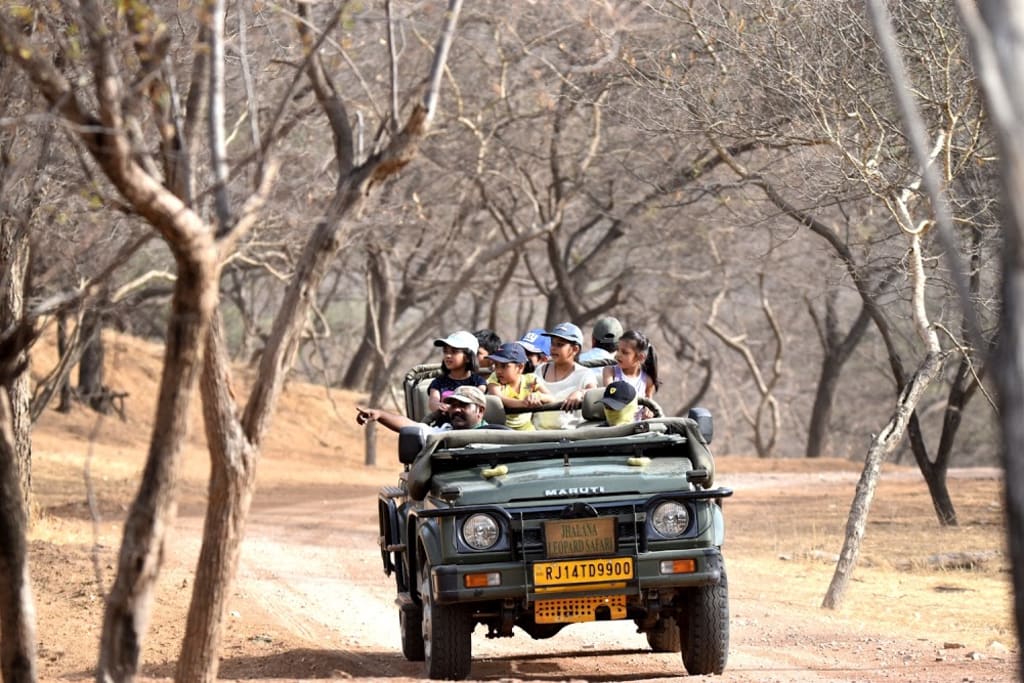
Tucked away in the heart of Rajasthan’s bustling capital, Jaipur, lies an untamed wilderness that few travelers know about — the Jhalana Leopard Safari Trip. Often overshadowed by the more prominent Ranthambore National Park, Jhalana stands as a hidden gem for wildlife enthusiasts and curious explorers alike. This forest reserve offers an immersive experience that blends thrilling encounters with leopards and a rich array of flora and fauna, all within a stone’s throw from city limits.
A Forgotten Forest with a New Identity
Jhalana Reserve Forest was once the private hunting ground of the royal family of Jaipur. For decades, it remained under the radar, known only to locals and conservationists. In recent years, however, it has been reborn as a designated leopard safari park — the first of its kind in Rajasthan. Spread across approximately 20 square kilometers, Jhalana has swiftly risen in popularity for its high leopard density, especially considering its proximity to an urban setting.
Unlike other larger wildlife sanctuaries that cover hundreds of square kilometers, Jhalana's compact size significantly increases the chances of spotting its elusive residents. According to the Rajasthan Forest Department, the reserve currently supports over 35 leopards, including cubs, in this relatively small area.
Leopard Spotting: A Realistic Promise
Leopards are notoriously stealthy and avoid human presence, but Jhalana presents a rare exception. The big cats here have adapted remarkably well to the semi-urban environment, often seen during morning and evening safaris. What makes the experience unique is the intimacy of the sightings. Tourists frequently report watching leopards lounging on rock outcrops, perched in trees, or slowly making their way through the underbrush.
Veteran guides — many of whom are local trackers with years of field knowledge — add to the authenticity of the experience. Their ability to read animal behavior and recognize signs such as pugmarks or warning calls from peacocks and langurs enhances the chances of a successful encounter.
Biodiversity Beyond Leopards
While leopards are undoubtedly the star attraction, Jhalana is home to much more than just big cats. Bird watchers, in particular, will find plenty to appreciate. The reserve hosts more than 160 species of birds, including Indian pitta, owlets, crested serpent eagles, and peafowl. The dry deciduous forest, dotted with dhok trees, also shelters other mammals such as striped hyenas, jungle cats, desert foxes, nilgai (blue bulls), and wild boars.
The park’s flora is equally captivating. Although the vegetation is relatively sparse due to the arid climate, the region comes alive during the monsoon, turning the rocky terrain into a green canvas sprinkled with wildflowers and lush grass.
Best Time to Visit and Safari Details
Jhalana is open to visitors throughout the year, but the most favorable months are between October and March, when the weather is cooler and the wildlife activity is higher. During summer (April to June), visibility increases as animals frequent waterholes, although the heat can be intense.
Safaris are conducted twice daily: morning (6:30 AM to 9:00 AM) and evening (4:30 PM to 7:00 PM). Each safari lasts about two and a half hours and takes place in open 4x4 gypsy vehicles, allowing an unobstructed view of the surroundings. Booking in advance is advisable, especially during peak tourist seasons, as the number of jeeps allowed per slot is limited to reduce environmental impact.
Conservation Efforts and Community Involvement
Jhalana's transformation from hunting grounds to a conservation zone is a testament to the power of community and government collaboration. The Rajasthan Forest Department has implemented several conservation initiatives, including camera trap monitoring, anti-poaching patrols, and awareness campaigns in nearby villages.
A notable development is the increasing involvement of local communities. Several safari guides, drivers, and park staff are residents from nearby areas who have received training in eco-tourism. This has created a sustainable income stream and fostered a culture of wildlife protection among the locals.
Accessibility and Practical Tips
One of Jhalana’s strongest advantages is its location. The park lies just 10 km from Jaipur International Airport and is easily accessible from most parts of the city. Visitors staying in central Jaipur can reach the park in under 30 minutes, making it an ideal day excursion for those with limited time.
Tips for First-Time Visitors:
Dress appropriately: Earth-toned clothing helps you blend in and avoids startling wildlife.
Bring binoculars: While leopards can be spotted with the naked eye, a good pair of binoculars enhances bird-watching.
Stay silent and alert: Your guide may point out calls or tracks — silence boosts your chances of sightings.
Respect the ecosystem: Do not litter or play music during the safari. Even low noise levels can disturb animals.
Final Thoughts
The Jhalana Leopard Safari offers an unexpected but extraordinary wildlife experience right within the boundaries of a historical city. It’s a reminder that nature thrives even in the shadows of urban development — if given the space and respect it deserves.
Whether you’re a seasoned wildlife photographer, a family on a weekend getaway, or a curious traveler seeking offbeat experiences, Jhalana invites you to explore a side of Jaipur that remains wild, raw, and remarkably untouched.
About the Creator
prince sain
Hey, I’m Prince, and I love traveling. Exploring new places and meeting new people is my jam. I get super excited about finding cool stuff in different places and learning about different cultures.
Keep reading
More stories from prince sain and writers in Beat and other communities.
Kudremukh Trek Unveiled: Adventure, Mist, and Untamed Wilderness
Nestled deep within the lush expanse of the Western Ghats, the Kudremukh Trek is an immersive journey into one of Karnataka’s most untouched and vibrant ecosystems. With its rolling grasslands, dense forests, cloud-kissed summits, and occasional wildlife sightings, the trail offers much more than just panoramic views—it’s a spiritual encounter with nature at its wildest. Ideal for trekkers seeking both serenity and a challenge, Kudremukh stands as a beacon for eco-tourism and biodiversity in South India.
By prince sain6 months ago in Beat
Ludacris and Nelly draw backlash over bookings at MAGA-coded music festival
Ludacris and Nelly headlining a mostly right-wing event is good for them. It’s also great for the genre of hip hop. The two rap veterans have showcased their talents on other stages. Why can’t they perform for mostly MAGA folks and grab that bag?
By Skyler Saunders4 days ago in Beat



Comments
There are no comments for this story
Be the first to respond and start the conversation.