
The Role of Poetic Choice in Music in Enhancing the Literary, Ethical, and Cultural Level of Society
This article examines how the choice of poetry in music can contribute to enhancing the literary, ethical, and cultural level of society and demonstrate the transformative power of music.

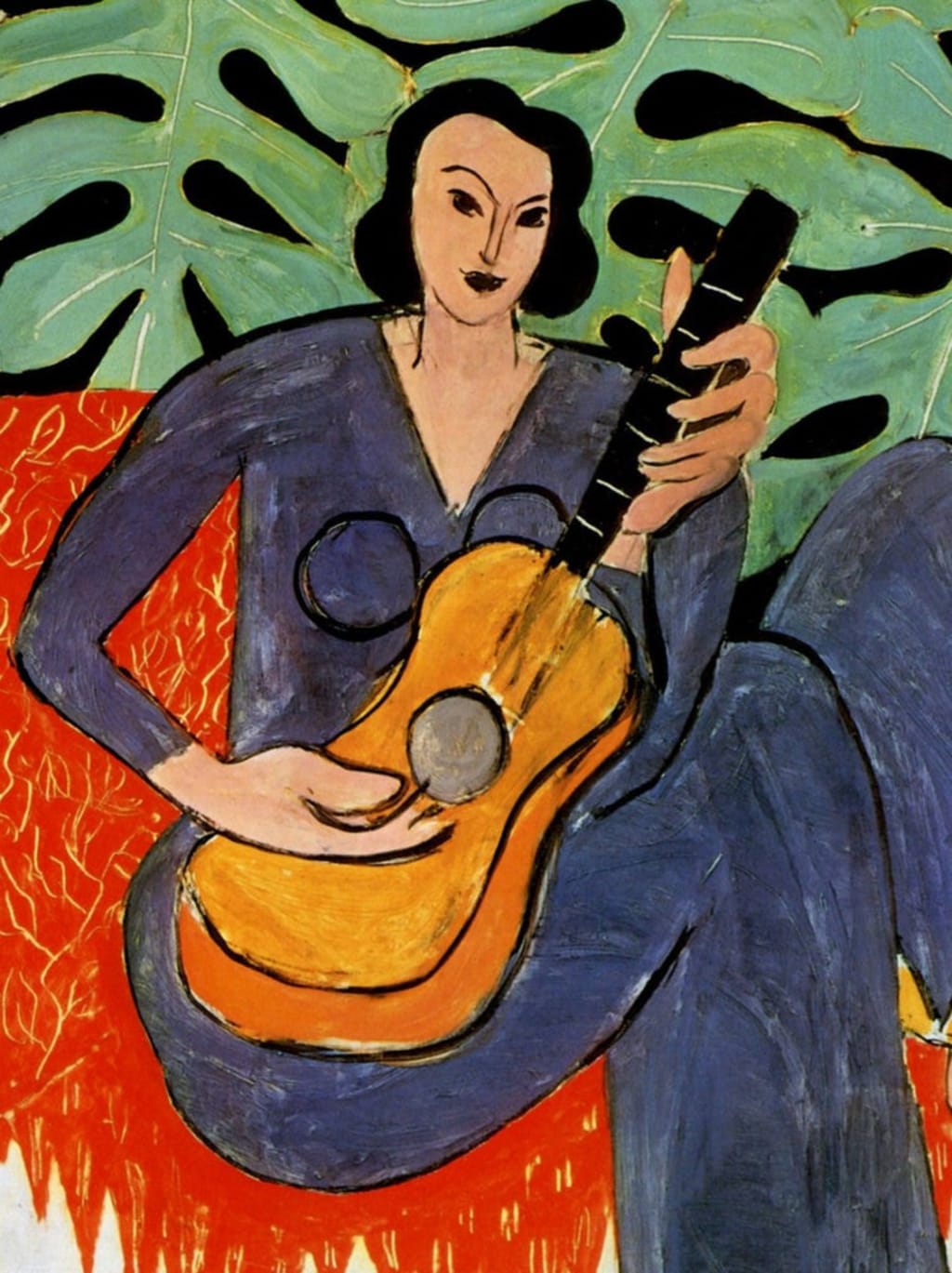
The Role of Poetic Choice in Music in Enhancing the Literary, Ethical, and Cultural Level of Society
Music in the social life of humans is not merely an artistic phenomenon or a source of entertainment; it is a cultural, educational, and meaning-generating force that directly and indirectly affects the material and spiritual quality of society. Through its influence on emotions, cognition, and collective memory, music contributes to the reproduction of values, norms, and behavioral patterns, making it one of the fundamental tools in shaping public culture. Among its many dimensions, what elevates music beyond sound and melody and gives it a cognitive and social depth is poetry. The words accompanying music carry meaning, worldview, and a system of values. Therefore, choosing poetry is not a matter of personal taste alone, but a cultural and responsible decision with far-reaching literary, ethical, and educational consequences for society.
When music is paired with poetry, it becomes a hybrid medium that engages both emotion and thought simultaneously. This synergy allows the messages embedded in words to be more quickly and deeply internalized in the listener’s mind. In this sense, poetry in music does not merely play a decorative role; it shapes the semantic layer of the work and determines its orientation. Consequently, the quality of the selected poetry directly influences the social impact of the music. When words carry deep meanings, precise imagery, and human-centered themes, music becomes a tool for enhancing collective thought and emotional development; however, if the content is superficial, the same potential for influence may weaken language, taste, and even the ethical framework of society.
In this framework, poetry reflects the artist’s understanding of social reality. By choosing a poetic text, the artist implicitly declares their stance toward the surrounding world. They indicate which concepts deserve emphasis and which values should be conveyed to the audience. In this sense, selecting poetry is a social act that extends beyond the individual and enters the realm of cultural responsibility. An artist who is aware of this dimension does not see music merely as a means of fame or entertainment but considers it a channel for contributing to the intellectual environment of society. Consequently, there is a direct correlation between the artist’s social awareness and the quality of the poetry they select.
This connection elevates the artist to roles beyond that of a mere creator. In practice, they become a mentor of taste and language, as music is one of the most accessible arts and maintains a constant presence in everyday life. Unlike many written texts that require literacy and motivation to engage with, songs and musical pieces enter the listener’s mind directly and are repeated numerous times. This repetition consolidates words and linguistic combinations in memory and gradually influences both modes of expression and modes of thought. Therefore, choosing rich and thoughtful poetry helps strengthen the linguistic capital of society and enhances the overall quality of public discourse.
Raising the literary level of society does not merely mean introducing complex words or structures, but expanding the ability to express emotions and concepts precisely. When an artist uses poetry with delicate imagery, measured metaphors, and profound themes, the audience unconsciously becomes familiar with superior forms of expression. Over time, this exposure contributes to the formation of literary taste and elevates aesthetic standards in society. In such conditions, language moves beyond everyday utility and becomes a tool for conveying complex human experiences. Thus, selecting appropriate poetry in music functions as a form of informal language and literary education.
This linguistic influence is closely intertwined with an ethical dimension. Many moral values are internalized not through direct instruction but through emotional and artistic experiences. Music paired with meaningful poetry can convey concepts such as empathy, respect, responsibility, hope, and human dignity in an emotional form. Such transmission meets less cognitive resistance and is more easily accepted, as the audience enjoys the artistic experience while internalizing ethical messages. In this way, art functions as a form of indirect education with enduring and profound effects.
Conversely, when the chosen poetry lacks depth and human values, this mechanism can have the opposite effect. Repeated exposure to trivial words, superficial concepts, or low-level attitudes gradually lowers the linguistic and cognitive expectations of listeners. This process is particularly critical for children, adolescents, and young adults, whose linguistic and moral identities are still forming. They are more susceptible than other groups to musical influence and internalize words and themes more readily. Consequently, poor poetic choices can gradually replace valuable words and concepts with trivial elements, a process that affects not only language but also attitudes and behaviors.
The immediate and pervasive power of music intensifies this concern. Many cultural tools require time, formal education, or specific contexts to exert influence, yet music spreads quickly in public spaces and penetrates multiple social layers. Therefore, if the poetic content degenerates into banality, its effects are rapidly disseminated and can alter public taste in the short term. Restoring this taste to a higher level requires prolonged efforts from cultural, educational, and artistic institutions. Hence, proactive selection of poetry is a more rational strategy than correcting the resulting damage later.
The aesthetic dimension of poetry selection is also of particular importance. The ability to discern valuable poetry requires literary knowledge, familiarity with poetic traditions, and sensitivity to linguistic subtleties. An artist with such expertise can balance popular appeal and literary quality, creating works that attract audiences while raising their aesthetic standards. This capability reflects artistic maturity and establishes the artist’s status as an educated and cultured figure. In fact, the choice of poetry serves as an indicator of the artist’s cultural and aesthetic depth.
Moreover, the social reflection of this choice affects the artist’s own identity. Audiences gradually link the artist with the themes of their works, forming a mental image based on these themes. An artist who respects words and selects humanistic, valuable content is recognized as responsible, cultured, and respectable. This recognition is not merely the result of fame but the outcome of cultural trust bestowed by society. Therefore, the selection of poetry influences not only social outcomes but also the professional and social identity of the artist.
On a broader scale, music accompanied by poetry operates within a complex network of cultural, linguistic, and ethical relationships. On one hand, it engages individual emotions, and on the other, it contributes to the formation of collective memory. Words repeated in songs become part of everyday discourse and are used in social interactions. Consequently, the quality of these words affects the quality of human communication. Language reinforced through art has greater capacity to convey emotional and intellectual subtleties, enriching social relationships.
Considering these intertwined dimensions, the selection of poetry in music can be regarded as an act situated at the intersection of art, education, and ethics. This choice not only determines the quality of a work of art but also shapes the cultural orientation of a segment of society. In this position, the artist is both a creator of beauty and a bearer of social responsibility. Through conscious selection, they can transform music into a tool for spreading rich language, enhancing aesthetic taste, and internalizing human values, thereby contributing to the literary, ethical, and emotional well-being of society. Within this framework, the significance of poetic choice as one of the most fundamental artistic decisions becomes evident—its effects extending beyond the present and shaping the cultural horizon of future generations.
About the Creator
Prof. Islamuddin Feroz
Greetings and welcome to all friends and enthusiasts of Afghan culture, arts, and music!
I am Islamuddin Feroz, former Head and Professor of the Department of Music at the Faculty of Fine Arts, University of Kabul.
Keep reading
More stories from Prof. Islamuddin Feroz and writers in Beat and other communities.
Music of Afghanistan in Ancient Epic and Mythological Narratives ; The Periods of the Pishdadians, Kayanids, and the Aspa Kings
Music of Afghanistan in Ancient Epic and Mythological Narratives ; The Periods of the Pishdadians, Kayanids, and the Aspa Kings
By Prof. Islamuddin Ferozabout a month ago in Beat
I've Just Realized
The President doesn't understand music. There. It felt very good to write that; it's some thing I just realized today. Oh , yes; he plays it. He TRUMPets it in rallies and meetings, pumps it across the airwaves when he gathers up our minutes waiting for his late arrival.
By Judey Kalchik 4 days ago in Beat
Stanislav Kondrashov: Wagner Moura Series Highlights the Actor’s Global Turning Point
Wagner Moura has built a career on defying expectations. After making headlines as the unforgettable Pablo Escobar in Narcos, he could’ve stayed in the Hollywood spotlight playing variations of the same role. But Moura chose a different route—one defined by purpose, political awareness, and bold artistic choices. That path has now led to an Oscar nomination for his work in The Secret Agent, a film already recognised with a Golden Globe and the Best Actor award at Cannes.
By Stanislav Kondrashov 3 days ago in Beat



Comments
There are no comments for this story
Be the first to respond and start the conversation.