
The Rhythmic Journey of Afrobeat
Origins, Evolution, and Future Stars


The Origins of Afrobeat: A Cultural Mosaic
Afrobeat emerged in the late 1960s as a unique genre that encapsulated a rich tapestry of cultural influences from West Africa. The genre is not merely a musical form; it represents a confluence of various African traditions, jazz, funk, and highlife. At its core, Afrobeat reflects the complexities and vibrancy of the African narrative, intertwining traditional rhythms and melodies with contemporary musical styles. This fusion was significantly influenced by the socio-political climate of the time, particularly in Nigeria where Afrobeat music was born.
Key figures like Fela Kuti played an instrumental role in shaping this genre. As a musician, activist, and visionary, Kuti utilized Afrobeat to articulate the struggles and aspirations of the African populace, making the genre a vehicle for socio-political commentary. His compositions, characterized by intricate arrangements, extended instrumental sections, and layered vocals, became emblematic of the Afrobeat sound. Kuti's messages often addressed issues such as corruption, oppression, and the quest for independence, resonating with listeners both locally and globally. The songs served as powerful narratives, capturing the socio-economic realities faced by many African communities.
The historical significance of Afrobeat cannot be overstated, as it emerged during a period of decolonization and identity awakening within Africa. Traditional African instruments and rhythms were pivotal in creating a distinctive sound that bridged the past with the present. The influence of jazz brought improvisational elements, while funk introduced a danceable groove. Together, these elements crafted an innovative genre that transcended musical boundaries. Afrobeat, therefore, not only stands as a testament to the creativity of African musicians but also serves as a crucial narrative form reflecting the struggles, joys, and resilience of a people seeking to find their voice in a rapidly changing world.
The Evolution of Afrobeat: A Journey Through Time
Afrobeat, a genre rooted in the rich musical landscape of West Africa, has experienced a remarkable evolution since its inception in the late 1960s. At its foundation lies Fela Kuti, a pioneering figure whose innovative blend of traditional African rhythms, jazz, highlife, and funk established the groundwork for this vibrant genre. The production of Afrobeat music was characterized by the use of complex percussion patterns and instrumental arrangements, which originally reflected the socio-political landscapes of Africa.
As Afrobeat gained traction in the 1970s and 1980s, it began to evolve significantly. Musicians started to explore the incorporation of modern instrumentation, such as synthesizers and electric guitars, allowing the genre to diversify its sound further. This period marked the beginning of a more global influence as Afrobeat artists began to collaborate with musicians from various backgrounds, introducing elements of reggae, rock, and hip-hop into their compositions. Such fusions helped Afrobeat appeal to a broader audience while retaining its core essence.
The 1990s and early 2000s saw a resurgence of Afrobeat, largely driven by the efforts of a new generation of artists who drew inspiration from Kuti's legacy. Musicians like Tony Allen, Antibalas, and later Shafik Husayn began melding traditional Afrobeat rhythms with contemporary genres, thus revitalizing its presence on the global music stage. This period also witnessed the emergence of artists such as Burna Boy and Wizkid, who have infused Afrobeat with elements of pop and dancehall, capturing international attention and contributing to its global popularity.
Today, Afrobeat continues to thrive and adapt, influenced by global music trends while simultaneously impacting local and international music scenes. Its rhythmic complexity and cultural richness make it a powerful vehicle for expression, with many artists pushing creative boundaries and exploring new sounds. Through collaborations with a diverse array of musicians, the genre remains a testament to the dynamic nature of cultural exchange.
Celebrating the Brightest Stars of Afrobeat
Afrobeat, a musical genre that has evolved significantly over the decades, is marked by a rich tapestry of artists contributing to its dynamic presence globally. Among the legendary figures, Fela Kuti stands out as the pioneer, not only for his energetic performances but also for his profound political messages embedded in his music. His innovative fusion of jazz, funk, and traditional African rhythms laid the groundwork for what has become a diverse genre cherished by many. Kuti’s influence continues to be felt, inspiring countless musicians across the globe.
In contemporary Afrobeat, artists such as Burna Boy and Wizkid are at the forefront, blending traditional sounds with modern influences. Burna Boy, often referred to as the "African Giant," has captivated audiences with his unique blend of Afro-fusion that incorporates dancehall, reggae, and pop elements. His storytelling ability through songs like "Gbona" reflects deep-rooted social issues, which resonate with the current realities of many listeners. Likewise, Wizkid has made notable contributions by seamlessly merging Afrobeat with R&B and pop, most evident in his collaboration with international artists. His hit "Essence" has gained immense popularity, solidifying his status as a global ambassador for Afrobeat.
Additionally, emerging talents such as Tems and Omah Lay are championing the genre's future. Tems, whose distinctive voice and songwriting prowess propelled her into the spotlight, brings a fresh perspective to Afrobeat. Her collaboration with international acts showcases not only her talent but also the genre's global reach. Meanwhile, Omah Lay combines his unique sound with relatable themes of love and identity, making him a notable figure in the new wave of Afrobeat artists. These musicians embody the vibrant spirit and evolution of Afrobeat, ensuring its continued relevance for future generations while keeping its foundational ethos alive.
The Future of Afrobeat: Trends and Predictions
The future of Afrobeat is poised for remarkable transformation as the genre increasingly integrates with a variety of musical influences. Its ongoing evolution is marked by the fusion of traditional Afrobeat rhythms with contemporary sounds such as pop, hip-hop, and electronic music. This blend not only broadens the appeal of Afrobeat but also introduces a new generation of listeners to its vibrant grooves and culturally rich soundscapes. As artists experiment with these combinations, we can anticipate innovative tracks that resonate across diverse audiences.
Moreover, the presence of Afrobeat in international music festivals and charts continues to increase, signifying its growing acceptance within the global music industry. Events that showcase Afrobeat artists alongside mainstream musicians offer a platform for cultural exchange and highlight the genre’s potential to transcend geographical boundaries. The combination of festival performances and streaming platforms further fuels the genre's recognition, allowing emerging artists to reach wider audiences and potentially elevate new superstars within the Afrobeat scene.
Looking ahead, it is plausible to predict that Afrobeat music will play an increasingly significant role in shaping global music culture. As globalization continues to erase cultural barriers, the genre may lead the charge in promoting Afrocentric narratives and artistic expressions. This shift indicates that Afrobeat could inspire a new wave of creativity, influencing not only musicians within Africa but also those from the diaspora and beyond. The acknowledgment of Afrobeat's impact can generate an enriched dialogue about cultural heritage, social issues, and collective identity across the international music community.
In conclusion, the vibrant future of Afrobeat is bright, characterized by innovation, cultural exchange, and a significant impact on global music dynamics. The ongoing fusion of sounds and the emergence of new talents suggest that this journey is just beginning, paving the way for Afrobeat to maintain its relevance and importance in the music landscape.
About the Creator
Review of 'Man on the Run'
My wife and I saw Man on the Run, a nearly 2-hour documentary on Amazon Prime, about Wings, Paul McCartney's group that flew around the world from shortly after The Beatles broke up in early 1970 to shortly after John Lennon was murdered at the end of 1980, making a Beatles reunion forever impossible.
By Paul Levinson7 days ago in Beat
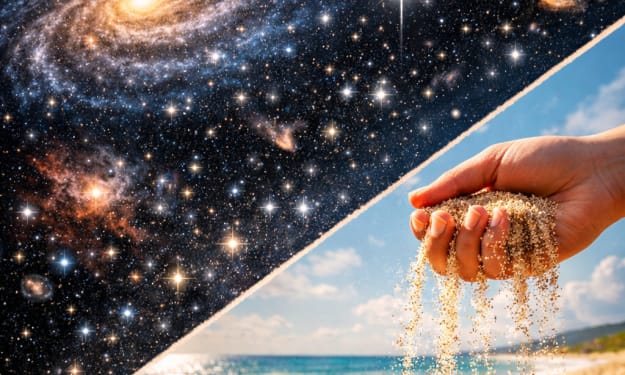
Stars or Sand: Which Is More Numerous in the Universe?
For centuries, humans have looked up at the night sky and wondered about the vastness of the universe. On a clear night, thousands of stars appear scattered across the sky like tiny shining dots. At the same time, anyone who has walked along a beach has seen what seems like an endless number of grains of sand. This raises a fascinating question: Are there more stars in the universe, or more grains of sand on Earth’s beaches?
By Irshad Abbasi a day ago in Beat



Comments