
The New Wave of Disinformation: How Fake News is Reshaping European Politics
A detailed analysis of how fake news and digital misinformation are changing European politics, public trust, and democracy — and what steps Europe is taking to fight back.


Introduction
In today’s digital age, Europe is witnessing a new kind of war — a war not fought with weapons, but with words, lies, and manipulated truths. The rapid spread of fake news and political disinformation has become one of the greatest threats to democracy, public trust, and freedom of speech across the continent.
From election campaigns to international conflicts, misinformation is shaping opinions, dividing societies, and influencing decisions that affect millions. The “battle for truth” has become one of Europe’s biggest challenges of the 21st century.
How Disinformation Spreads in Europe
Fake news spreads like wildfire — often faster than facts.
Through social media platforms, anonymous accounts, and automated bots, false stories travel across borders within minutes.
Whether it’s about wars, vaccines, or migration, propaganda networks exploit people’s fears, beliefs, and emotions to manipulate how they think and vote.
Many experts believe that certain global powers deliberately push false narratives to weaken European unity and trust in democratic institutions. Countries like Russia have repeatedly been accused of using disinformation tactics to influence elections and destabilize societies.
The Role of Social Media Giants
Social media platforms such as Facebook, X (Twitter), TikTok, and YouTube have played a major role in amplifying misinformation. Their algorithms are designed to promote the most engaging content — and unfortunately, fake news often attracts more attention than the truth.
In recent years, European governments and the European Union (EU) have demanded stricter rules and transparency from these tech companies. The Digital Services Act (DSA) now requires online platforms to identify and remove harmful or misleading content quickly, especially during elections or political crises.
The Human Impact of Fake News
The consequences of misinformation are not just political — they are deeply personal.
Fake news can:
Destroy reputations and spread hatred
Fuel racism and xenophobia
Increase mistrust between citizens and governments
Cause panic during health or economic crises
For example, during the pandemic, many false claims about vaccines led to widespread confusion and fear. Similarly, fake stories about refugees have increased tensions between communities in many European countries.
Efforts to Combat Disinformation
Europe is fighting back.
Organizations such as EU DisinfoLab, Reuters Fact Check, and BBC Verify are actively working to track and expose false stories. Schools and universities are introducing media literacy programs to teach young people how to identify fake news.
Governments are also promoting collaboration between journalists, researchers, and tech companies to improve fact-checking and ensure accountability in digital media.
My Personal View
As someone who closely follows political developments, I believe the war on disinformation is not just about technology — it’s about human responsibility.
Every person who shares a post, retweets a story, or forwards a message becomes part of the information chain.
Before clicking “share,” we must ask ourselves:
Is this information verified?
Could this hurt someone or mislead others?
Truth is a collective effort — and we are all soldiers in this battle.
What’s Next for Europe?
If Europe succeeds in controlling the flood of misinformation, it could strengthen democracy and restore public trust. But if fake news continues to grow, the consequences could be severe — divided societies, manipulated elections, and a deep loss of faith in truth itself.
The challenge is not just for governments but for all citizens to defend the integrity of information.
Conclusion
The war against disinformation is a battle for the soul of Europe — for freedom, truth, and democracy.
Technology may spread lies, but it can also empower truth when used wisely.
Europe’s future depends on its people’s ability to think critically, question boldly, and believe responsibly.
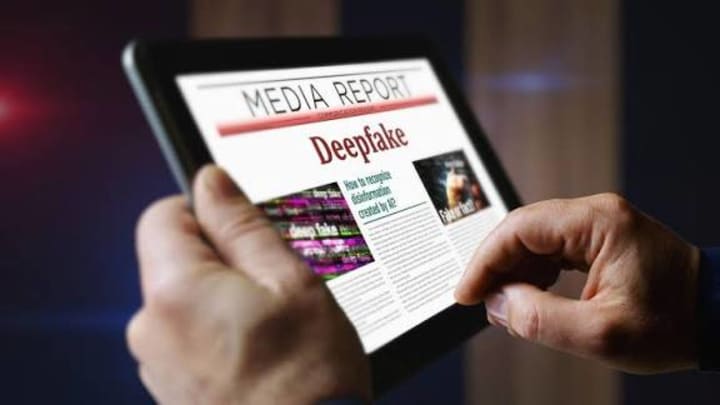
Final Question
Will Europe be able to protect truth and democracy in the age of digital deception — or will the voices of falsehood continue to shape the future?
About the Author
Written by: Kareem Kochi
Political observer and independent writer passionate about global affairs, European democracy, and digital ethics.
He believes that words have power — and truth must always come first.
About the Creator
Filmon Ke Raaz | Movie Mysteries Explained
Filmon Ke Raaz is a storytelling platform where movies are explained in a simple and engaging way. We uncover hidden meanings, untold facts, and deep mysteries behind thriller, horror, and mystery films.
Keep reading
More stories from Filmon Ke Raaz | Movie Mysteries Explained and writers in Beat and other communities.
Hijab Bans and Islamophobia in Europe: How Religious Freedom Is Under Fire
The Growing Controversy Over Religious Symbols in Europe In recent years, Europe has found itself at the center of a heated debate over religious freedom — particularly concerning Muslim women who wear the hijab or niqab. What began as isolated incidents of restriction in schools or workplaces has now become a continent-wide issue, raising serious questions about equality, diversity, and the meaning of freedom in democratic societies.
By Filmon Ke Raaz | Movie Mysteries Explained3 months ago in Writers
Ludacris and Nelly draw backlash over bookings at MAGA-coded music festival
Ludacris and Nelly headlining a mostly right-wing event is good for them. It’s also great for the genre of hip hop. The two rap veterans have showcased their talents on other stages. Why can’t they perform for mostly MAGA folks and grab that bag?
By Skyler Saunders5 days ago in Beat



Comments
There are no comments for this story
Be the first to respond and start the conversation.