
The Life of a Showgirl: A Thousand-Word Story
Dazzle, Dispute, and the Soft Rock Reclamation of the Stage.

The Glitter Heard Around the World
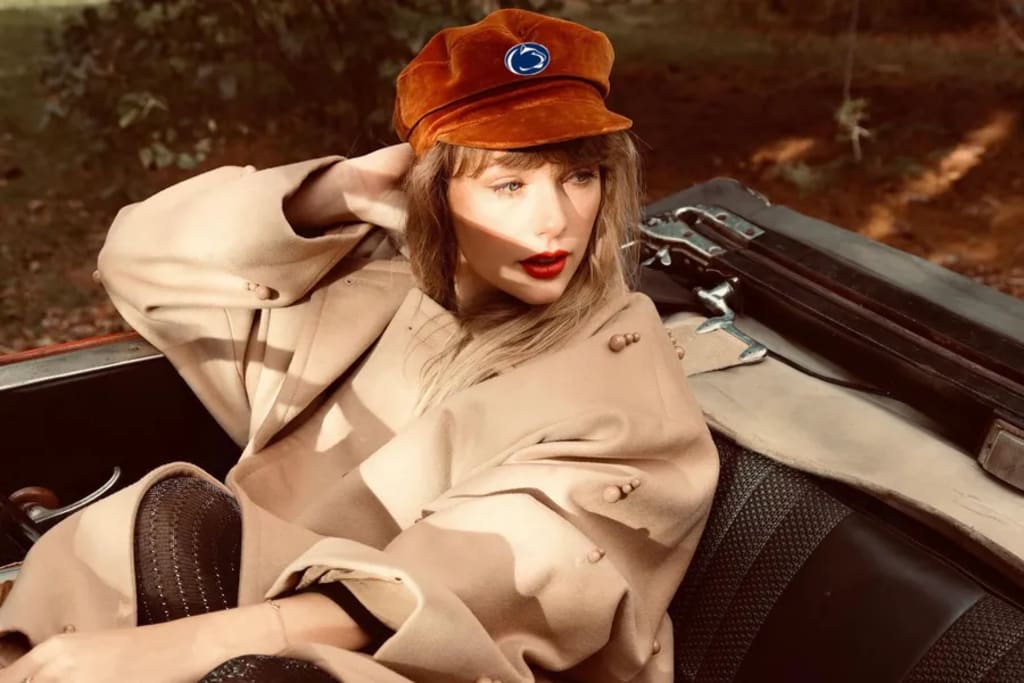
The night the album dropped, the world shimmered in a haze of orange glitter. Landmarks from the Empire State Building to Kansas City’s Union Station blazed with the same electric glow that pulsed through every screen and speaker on the planet. It wasn’t just light—it was the feverish radiance of Taylor Swift’s *The Life of a Showgirl*, her twelfth studio revelation. Gone was the quiet ache of The Tortured Poets Department; in its place surged a dazzling current of theatrical joy—twelve tracks capturing the riotous spirit of the Eras Tour, bottled and set alight.
From Tortured Poet to Showgirl
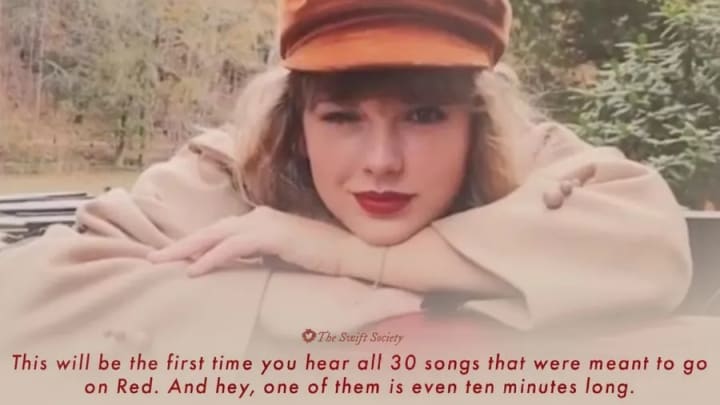
The new era was defined by a dazzling contradiction: an album titled after the relentless glamour of the stage, yet musically rooted in a mellow, harmonious soft rock sound, courtesy of the unexpected but welcomed reunion with Swedish titans Max Martin and Shellback. Their production replaced the dense synth-pop of previous records with breezy, retro influences, driven by 1970s drums and bright, funky basslines, making the record a perfect, if seasonally confusing, upbeat pop listen. Swift had promised the lyrical depth of Folklore paired with pop propulsion, but the result was something different: a sonic canvas for a woman finally celebrating contentment in love without sacrificing her ambition.
Reclaiming Ophelia: A Heroine Resurfaces
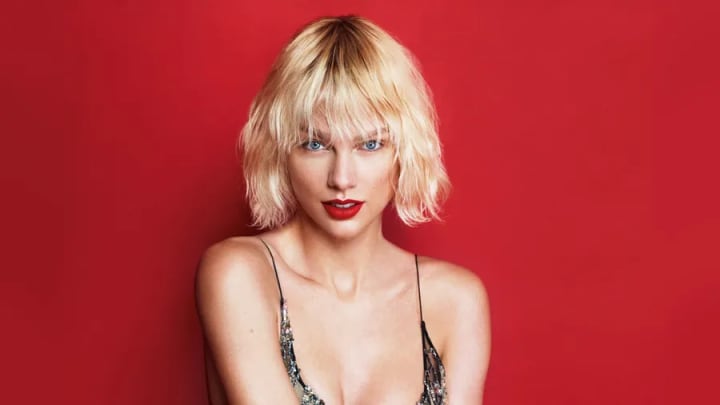
The album opened with “The Fate of Ophelia,” a cinematic track that immediately established the record’s central theme of reclamation. The lead single took Shakespeare’s tragic drowning heroine and, as Swift had done with “Love Story,” gave her a survival story. “You dug me out of my grave / And saved my heart from the fate of Ophelia,” she sang, framing her own escape from public scrutiny and anxiety through a literary lens. This joy was juxtaposed against the bittersweet fame anthem, “Elizabeth Taylor.” The song used the Hollywood icon as a mirror for Swift’s own life, posing the haunting question of whether true love could survive the glare of the spotlight: “Elizabeth Taylor, tell me for real, do you think it’s forever?”
Love in the Spotlight: The Opalite Era
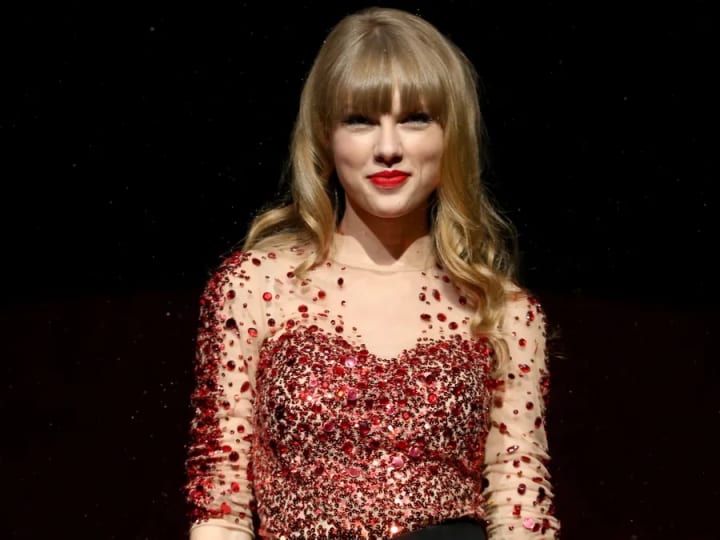
But the emotional centerpiece of her new life with Travis Kelce was found in “Opalite.” Fans instantly recognized the significance of the man-made opal gemstone—a perfect metaphor for happiness that is consciously constructed, rather than purely organic. Yet, even in its shimmer, the track held an undercurrent of public drama, with a lyric many interpreted as a veiled critique of Kelce’s ex, sparking online conversation and adding tension to the otherwise actually romantic narrative of a star willing to settle down.
Power Plays and Pop Vengeance
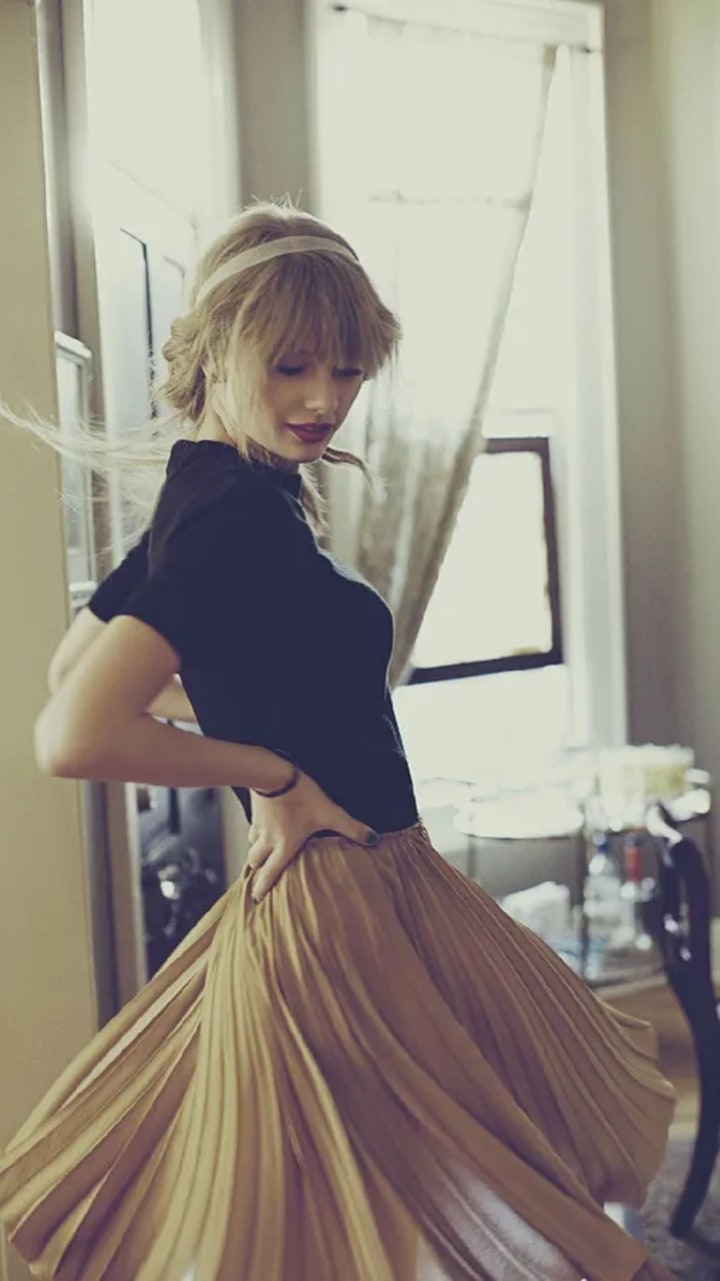
The narrative quickly shifted from contented bliss to boardroom vengeance and razor-sharp wit in the album’s middle section. “Father Figure,” with its pulsing George Michael interpolation and dark-pop atmosphere, was a clear and unforgiving swipe at Scooter Braun, a reclamation of her creative autonomy set to wavy keyboards and steady drums. “You pulled the wrong trigger, this empire belongs to me,” she declared, cementing her status as a hyper-savvy billionaire businesswoman. This track led directly into the biting social commentary of “CANCELLED!”, a mid-tempo track addressing the relentless online discourse and the cost of maintaining friendships under public scrutiny.

When the Glitter Gets Messy
Perhaps no song generated more polarizing headlines than “Wood.” Intended as a funky, celebratory track exuding positivity about her partner, the highly explicit lyric referring to her fiancé’s “magic wand” and comparing his love to the key that “opened my thighs” shocked critics. The Guardian called it a “clanging misstep” and “weak writing,” suggesting the TMI approach undermined Swift’s historically intricate lyricism. Furthermore, the lighthearted, reggae-infused track “Ruin The Friendship” served as a nostalgic look back, while the dollar sign-emblazoned “Wi$h Li$t” outlined her greatest desire: not the yacht life under chopper blades she sang about, but simple domesticity— “I just want you, have a couple kids, have the whole block looking like you.” Critics latched onto this, questioning the narrative authenticity and the “trad wife” undertones coming from the world’s most successful independent artist.
The Eldest Daughter Debate
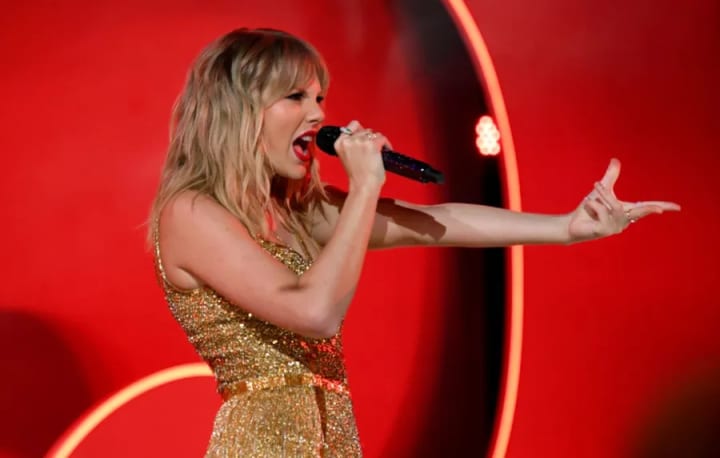
The most intense controversy swirled around “Eldest Daughter,” a vulnerable Track 5 that opened with a stripped-back piano. While many praised its beautiful vocal delivery and relatable themes of responsibility, a single line about not being a “bad b*tch” or “savage” ignited a full-scale social media debate. Critics alleged the lyric, alongside certain imagery in “Opalite,” was a subtle dismissal of Black femininity, forcing the public to confront how her lyrics intersect with racial and cultural conversations—an impact that matters more than intent, as commentators noted.
Merch, Marketing, and the Business of Spectacle
The sheer scale of the release became a story itself. With record-breaking first-week sales fueled by a staggering 38 album variants and exclusive packaging—a strategy critics deemed a calculated and potentially exploitative form of fan exploitation—The Life of a Showgirl was an undeniable commercial behemoth. Critically, the album scored a Metacritic 70/100, reflecting its highly polarized reception: some praised the "fun and glamor" and welcomed the sonic departure, while others lamented the perceived lyrical regression.
Curtain Call: The Life of a Showgirl
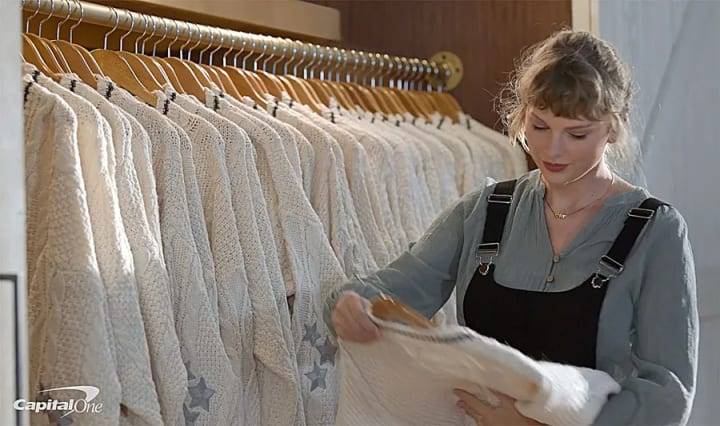
The album closed with the infectious stomp-clap title track, “The Life of a Showgirl,” featuring a perfect pairing with Sabrina Carpenter. It was the triumphant, anthemic bow, summarizing her life—the star, the ringmaster, and the circus all in one. Though the album was scattered, trying on different sounds from country rock to 1980s disco-pop, it ultimately succeeded in being a grand, theatrical statement, securing Swift’s cemented legacy as a master of the pop zeitgeist, one sparkling, controversial spectacle at a time. The showgirl, having survived the flood, stepped off the stage, her destiny rewritten and her hand firmly in her lover’s.
Track by Track: A Deep Dive
This YouTube video offers a track-by-track discussion of the album, giving listeners a deep dive into the themes and lyrics of The Life of a Showgirl.
About the Creator
Umar Faiz
Writer of supply chains, NFTs, parenting, and the occasional philosophical spiral. Obsessed with cinema, psychology, and stories that make you say “wait, what?” Fueled by coffee and mild existential dread.
Ludacris and Nelly draw backlash over bookings at MAGA-coded music festival
Ludacris and Nelly headlining a mostly right-wing event is good for them. It’s also great for the genre of hip hop. The two rap veterans have showcased their talents on other stages. Why can’t they perform for mostly MAGA folks and grab that bag?
By Skyler Saunders4 days ago in Beat



Comments
There are no comments for this story
Be the first to respond and start the conversation.