
The Heartbeat of the City
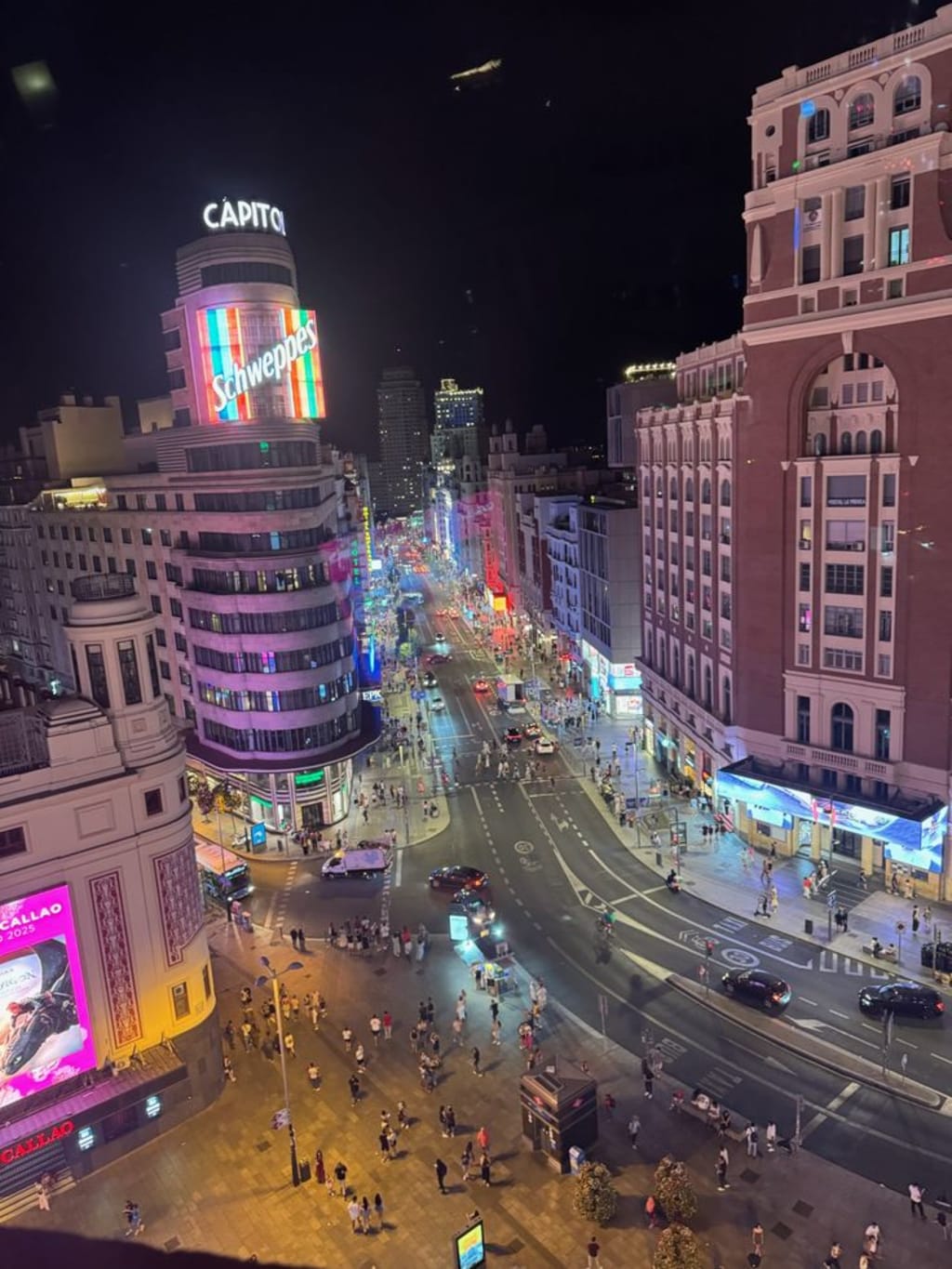
The city was alive long before the sun rose.
M Mehran
The city was alive long before the sun rose. You could hear it in the rhythm of footsteps echoing in subway tunnels, in the rumble of buses on cracked pavement, in the soft hum of neon signs still buzzing from the night before. For Maya Johnson, that rhythm wasn’t just background noise—it was music. It was the beat that shaped her life.
Maya grew up in a neighborhood where opportunity felt scarce but creativity overflowed. On hot summer nights, kids would gather on stoops and create songs by drumming on trash cans, their voices rising like anthems against the city skyline. Her earliest memories were of her older brother tapping out rhythms on the kitchen table while their mother cooked dinner. The beat was everywhere—constant, grounding, a language that needed no translation.
By the time Maya was a teenager, she had discovered drums. At first, she begged her brother to teach her, but soon she surpassed even his skill. She spent hours practicing, the sticks blistering her hands until calluses formed. Each strike on the drum was a release of everything she couldn’t say out loud—the frustration of poverty, the grief of losing friends to violence, the quiet hope that music might carry her somewhere safer.
Her high school music teacher noticed her talent and gave her access to the dusty band room whenever she wanted. There, surrounded by battered instruments and faded posters of jazz legends, Maya found her sanctuary. She experimented with rhythms, blending hip-hop beats with jazz syncopations, traditional African drumming with modern electronic loops. To her, rhythm wasn’t bound by genre. It was a heartbeat, universal and unbreakable.
But outside the band room, life was harder. When her mother fell ill and bills piled up, Maya considered giving up music altogether. What good were rhythms when the world demanded survival? She took part-time jobs, worked late nights, and watched her dream slip further away. Yet every time she tried to put her sticks down, she felt the silence grow heavier, almost suffocating.
Then came the night that changed everything. A local community center was hosting an open-mic event, and a friend begged Maya to come. She resisted at first—she wasn’t a singer, and she didn’t see herself on stage. But when the organizers saw the drumsticks peeking from her bag, they asked her to join a freestyle jam session. Nervous, Maya sat behind the kit, the spotlight blinding her for a moment.
Then she struck the first beat.
It started as a simple rhythm, steady and cautious. The audience clapped along, encouraging her. She loosened, letting her body guide her hands. The rhythm grew more complex—rising, falling, pulsing like a heartbeat. Musicians around her joined in: a saxophone weaving melodies, a rapper flowing effortlessly to her tempo. The room vibrated with energy, strangers moving together in perfect time. For Maya, it was transcendence. She wasn’t just playing drums. She was speaking.
That night, people approached her with compliments, invitations, even offers to collaborate. For the first time, she saw a path—uncertain, but possible. Music wasn’t just a dream. It could be her life.
Maya began performing regularly at open-mics and small clubs. She created beats for local rappers, collaborated with jazz musicians, and uploaded tracks online. Her sound was raw but distinct—a fusion of cultures and influences that mirrored the city itself. Slowly, her audience grew.
But more importantly, her purpose grew. Maya realized the beat wasn’t just hers to carry. It belonged to her community. She started teaching drumming workshops for kids at the same community center where she had found her voice. She watched shy children light up when they struck a drum for the first time, their faces glowing as they discovered rhythm within themselves. “The beat is already inside you,” she told them. “You just have to let it out.”
Years later, when asked in an interview what music meant to her, Maya didn’t talk about fame or success. She said, “The beat is survival. It’s how we keep going when the world tries to silence us. It’s the sound of resilience.”
Her story spread—first locally, then nationally. She wasn’t a household name, but she didn’t need to be. She had built a career rooted not in chart rankings but in authenticity. Her beats carried stories: of her family, her neighborhood, her struggles, and her triumphs.
Onstage, when Maya closed her eyes and let her hands move, she could still hear the city around her—the subway, the buses, the voices of kids drumming on trash cans. The heartbeat of the city had become her heartbeat, and through her music, it kept pulsing, louder and stronger than ever.
Because in the end, the beat never stops. It changes, evolves, passes from one set of hands to another. And as long as there are people like Maya who listen, translate, and share it, the beat will continue—an endless song of resilience, unity, and hope.
About the Creator
Keep reading
More stories from Muhammad Mehran and writers in Beat and other communities.
Why So Many Artists Feel Helpless Right Now
For decades, the dream of becoming an artist followed a relatively clear path. Musicians wrote songs, played local shows, and hoped to eventually be discovered by a record label that would invest in developing their talent.
By Navigating the World3 days ago in Beat



Comments
There are no comments for this story
Be the first to respond and start the conversation.