
The Evolution of Playlists: A Comprehensive Guide to Creating a Music Room
Music Room

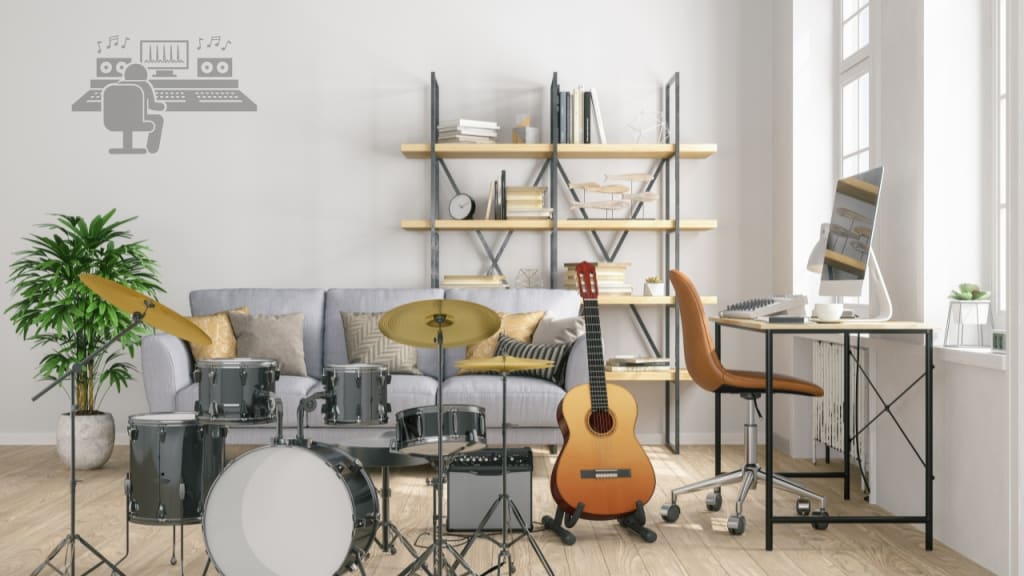
Creating a music room in your home is a fantastic way to deepen your connection to music. Whether you are a professional musician, an educator, or a passionate enthusiast, having a dedicated space for music can significantly enhance your experience. This guide provides practical advice and essential tips for designing a music room tailored to your needs and creativity.
Why Prioritize Creating a Music Room?
A music room offers a focused environment where you can practice, compose, teach, or simply enjoy music without distractions. The key benefits include:
Improved focus on your craft.
- Efficient organization of instruments and equipment.
- Enhanced sound quality through optimized acoustics.
- Inspiration and creativity in a personalized space.
Planning Your Music Room
1. Define Its Purpose
The first step in creating a music room is determining its primary use. Will it be a practice area, recording studio, teaching space, or a combination? This clarity will guide your design, layout, and equipment choices.
2. Choose the Right Location
Select a quiet area in your home with minimal disturbances. Basements, attics, or spare rooms are ideal options, as their isolation naturally reduces external noise.
3. Consider Room Dimensions
Room size and shape play a critical role in acoustics:
- Rectangular rooms with higher ceilings generally offer better sound dynamics.
- Ensure the space can accommodate your instruments, recording gear, and furniture while allowing for comfortable movement.
Soundproofing and Acoustic Optimization
1. Soundproofing
Effective soundproofing prevents sound from escaping or external noise from entering. Consider:
- Adding soundproof drywall or insulation to walls.
- Installing double-glazed windows and sealing gaps in doors.
- Using heavy curtains, carpets, or rugs to dampen sound.
2. Enhancing Acoustics
Improve the room’s sound quality with:
- Acoustic panels to minimize echoes and reflections.
- Bass traps in corners to balance low-frequency sounds.
- Diffusers to evenly distribute sound waves for a natural audio experience.
Essential Equipment for Creating a Music Room
1. Instruments
Equip your music room with the instruments you frequently use, such as guitars, keyboards, drums, or pianos.
2. Recording Tools
If recording is part of your plan, invest in:
- High-quality microphones.
- An audio interface for seamless sound recording.
- Studio monitors for accurate playback.
- Noise-canceling headphones for focused listening.
3. Functional Furniture
Include ergonomic seating, music stands, and a desk for your recording and computing setup. Comfort is essential for long sessions.
4. Storage Solutions
Maintain an organized space with racks, shelves, or cases for instruments and accessories.
Designing Your Music Room
1. Layout and Accessibility
Arrange your instruments and equipment for easy access. Designate separate areas for practice, recording, or teaching to enhance functionality.
2. Lighting
Incorporate both natural and artificial lighting. Adjustable lights allow you to set the mood for composing, rehearsing, or relaxing.
3. Add Personal Touches
Decorate the space to reflect your style and inspire creativity, such as:
- Posters of your favorite musicians.
- Framed album covers or artwork.
- Personal memorabilia.
Maintaining Your Music Room
1. Regular Cleaning
Dust and clean frequently to protect sensitive instruments and gear. A tidy environment is also more inviting and conducive to creativity.
2. Equipment Maintenance
Follow proper maintenance routines to keep your instruments and recording tools in excellent condition.
Advanced Tips for Creating a Music Room
1. Install a Home Studio
For those interested in recording, consider setting up a home studio by:
- Using a digital audio workstation (DAW) for editing and production.
- Investing in professional-grade studio monitors.
- Enhancing acoustics with advanced treatments.
2. Prioritize Comfort
Make the space inviting with:
- Comfortable seating or a cozy couch.
- Climate control to maintain a comfortable temperature.
- A mini-fridge or snack station for long practice or recording sessions.
3. Fine-Tune Acoustics
Invest in professional acoustic panels, bass traps, and diffusers to optimize sound quality for both practice and recording.
Budget-Friendly Ideas for Creating a Music Room
1. Set a Realistic Budget
Prioritize key elements like soundproofing, acoustic panels, and essential instruments to stay within your budget.
2. Explore DIY Solutions
Save money by:
- Building acoustic panels using affordable materials.
- Repurposing old furniture for storage or decor.
3. Upgrade Gradually
Start with the basics and enhance your room over time as your needs and resources grow.
Inspiring Examples
1. Professional Studio Setup
A musician transformed their basement into a professional recording studio with state-of-the-art soundproofing, acoustic treatments, and high-quality recording equipment.
2. Music Teacher’s Haven
A spare room was designed as a teaching space, featuring a piano, guitars, and a whiteboard for lessons. The functional setup enriched the student experience.
3. Personal Music Sanctuary
An attic became a music lover’s retreat, showcasing instruments, vinyl records, and decor inspired by favorite artists and genres.
Common Mistakes to Avoid
- Ignoring Acoustics: Poor acoustics can compromise sound quality. Prioritize treatments to optimize the room’s audio dynamics.
- Overcrowding the Space: Avoid cluttering the room with unnecessary items. A clean, organized layout enhances productivity.
- Skipping Soundproofing: Without proper soundproofing, external noise can disrupt focus, and your music might disturb others.
Maximizing Your Music Room’s Potential
1. Stay Updated
Regularly update your instruments, software, and recording gear to stay current with advancements in music technology.
2. Utilize Online Resources
Take advantage of tutorials, forums, and courses to sharpen your skills in performance, recording, or production.
3. Collaborate with Fellow Musicians
Invite friends or fellow artists to jam, compose, or record in your space. Collaboration fosters creativity and broadens your musical horizons.
Conclusion
Creating a music room is a fulfilling endeavor that enhances your connection to music. By focusing on soundproofing, acoustics, and thoughtful design, you can create a space that inspires and supports your passion. Whether for practice, teaching, or recording, a dedicated music room provides the perfect environment to nurture your creativity. Begin planning your music room today and elevate your musical journey!
Related Articles:
For further reading, explore these related articles:
- The Impact of Music Distribution on Artist Visibility
- Common Mistakes to Avoid in Music Distribution
- How to Distribute a Song
For additional resources on music marketing and distribution, visit Deliver My Tune.
About the Creator
Keep reading
More stories from Deliver My Tune and writers in Beat and other communities.
The Evolution of Playlists: A Complete Guide to Create a Playlist on Apple Music
Create a playlist on Apple Music to conveniently manage your favorite tracks and share them with others. Whether you’re creating playlists for workouts, road trips, or simply compiling your top songs, Apple Music offers an intuitive platform to organize and enjoy your music library. This guide explains how to create a playlist on Apple Music across different devices, shares tips for customization, and highlights its key features.
By Deliver My Tuneabout a year ago in Beat
Review of 'Man on the Run'
My wife and I saw Man on the Run, a nearly 2-hour documentary on Amazon Prime, about Wings, Paul McCartney's group that flew around the world from shortly after The Beatles broke up in early 1970 to shortly after John Lennon was murdered at the end of 1980, making a Beatles reunion forever impossible.
By Paul Levinson11 days ago in Beat



Comments
There are no comments for this story
Be the first to respond and start the conversation.