
The death of Ozzy Osbourne: his legacy of esotericism, occultism, and darkness
Heavy metal legend died at age 76 in the UK

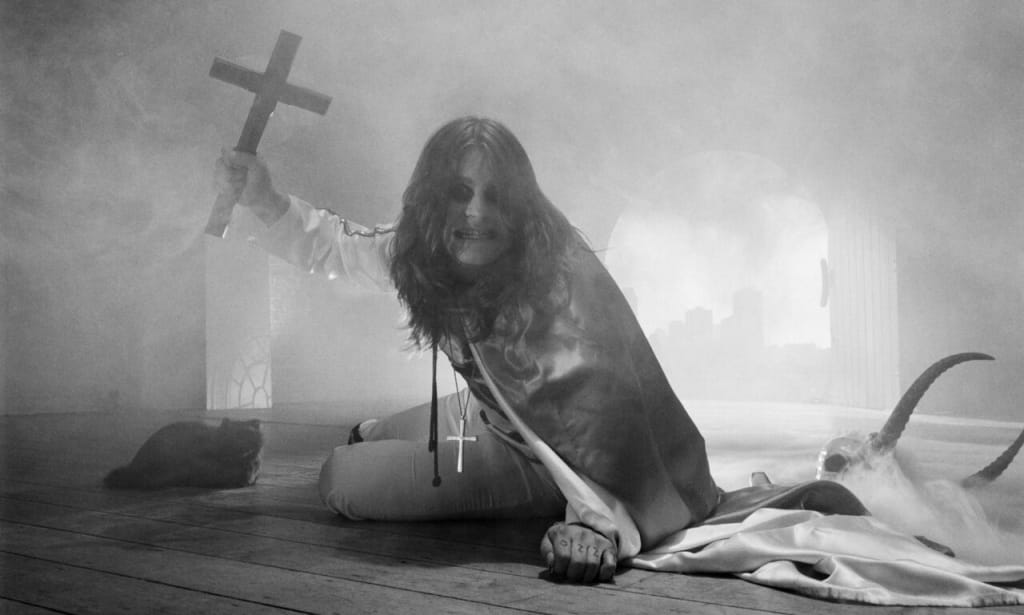
Ozzy Osbourne died on Tuesday, July 22 at the age of 76 due to complications from Parkinson's disease. The heavy metal legend gave his last concert on July 7, which was his farewell to art and music. Osbourne had an insanely successful musical career, which even included a family reality show, The Osbournes, which aired on MTV between 2002 and 2005. Beyond his incredible professional path both as a solo artist and as leader of the band Black Sabbath, the British singer distinguished himself for his veneration of darkness, occultism and esotericism.
He introduced these elements into his music and made them his hallmark. Thanks to his eccentricities he earned the nickname Prince of Darkness and worldwide recognition for his original style. While many artists have loved the occult, Osbourne worked those ideas the most.
Artistic explorations
As frontman of the heavy metal band Black Sabbath, Osbourne began to embrace esotericism as his trademark, which he also experimented with in his solo career.
Among the stranger stories, Ozzy has spoken of a constant figure he referred to as SABBATH. It wasn't the band, but an apparition or being that visited him almost every night in a cabin where he used to stay. In his own words, this place and the visits felt like a dream, an experience as intense as it was unreal, adding an element of mystery and confusion to his already complex life.
One of the most interesting and controversial chapters in Osbourne's story is his connection to Aleister Crowley, an influential British writer and occultist, who is often referred to as the father of modern Satanism. Crowley was a mysterious personality, famous for calling himself the Great Beast 666 and for his teachings on magic, occultism and the Thelemic religion.
Black Sabbath, often credited as the pioneers of heavy metal, cultivated a reputation for being associated with the occult. Their name itself, which evokes dark imagery, played a crucial role in shaping public perception. The band’s early lyrics and album artwork frequently referenced themes of horror and the supernatural, which resonated with audiences and sparked both fascination and fear. Songs like "Black Sabbath" and "Mr. Crowley" drew on occult themes.
Osbourne's persona also challenged traditional gender roles and expectations. His embrace of a dark, flamboyant style, coupled with his often vulnerable and chaotic personal life, subverted the typical image of masculinity prevalent in rock music. He presented a more complex character that combined strength with vulnerability, appealing to a diverse fan base that included both men and women.
The artist's struggles with addiction and mental health issues prompted deeper reflections on life, mortality, and spirituality. His lyrics often reveal a grappling with guilt, redemption, and the search for meaning. For instance, in his song "Holy for Tonight," he expresses a plea for forgiveness and understanding, indicating a recognition of his flaws and a desire for spiritual connection despite his chaotic lifestyle.
His life and career embody a blend of chaos and clarity regarding faith. His experiences with addiction, fame, and personal turmoil have shaped a narrative that resonates with many fans who see in his music a reflection of their struggles. His candidness about his faith, even amidst his notorious antics, adds depth to his legacy, showing that spirituality can coexist with a life of rebellion.
To better understand Osbourne's dark style, it is recommended to listen to the songs Crazy Train, Paranoid and Children of the Grave. From his beginnings with Black Sabbath to his successful solo career, the British vocalist has created a collection that transcends mere provocation: it is a journey through existential anxiety, criticism of society, inner crazyness, and musical rebellion.
Conclusion
Osbourne was always aware of his own complexity and during the last years of his life acknowledged that he could not believe he was alive after having taken so many drugs, in addition to his struggle with alcoholism.
Osbourne's journey to sobriety was pivotal in reshaping his views on spirituality. After years of battling addiction, he sought professional help and attended rehabilitation programs, which allowed him to rationalize his issues and rebuild his life. This process not only helped him achieve sobriety but also deepened his understanding of grace and mercy, themes that resonate throughout his later work. He recognized that overcoming addiction was not just a personal victory but also a spiritual journey that required humility and acceptance of his flaws.
About the Creator
Ninfa Galeano
Journalist. Content Creator. Media Lover. Geek. LGBTQ+.
Visit eeriecast ,where you'll find anonymous horror stories from all over the world. Causing insomnia since 2023.
Keep reading
More stories from Ninfa Galeano and writers in Beat and other communities.
Hurry Up Tomorrow Album Review: The Weeknd surprises everyone again
The Weeknd's sixth studio album, Hurry Up Tomorrow, released on January 31, 2025, marks a significant evolution in his musical journey. Serving as the final installment in a trilogy that includes After Hours (2020) and Dawn FM (2022), this album is notable for being his last under the moniker The Weeknd, as Abel Tesfaye plans to release future music under his real name.
By Ninfa Galeano12 months ago in Beat
Ludacris and Nelly draw backlash over bookings at MAGA-coded music festival
Ludacris and Nelly headlining a mostly right-wing event is good for them. It’s also great for the genre of hip hop. The two rap veterans have showcased their talents on other stages. Why can’t they perform for mostly MAGA folks and grab that bag?
By Skyler Saunders5 days ago in Beat


Comments
There are no comments for this story
Be the first to respond and start the conversation.