
Tears on the Witness Stand: When Prince Harry’s Case Became a Performance
A courtroom showdown meant to expose press misconduct instead revealed the contradictions at the heart of a modern royal crusade Write


In a courtroom designed for evidence, not emotion, Prince Harry delivered something closer to a monologue than a testimony. What was meant to be a decisive moment in his legal battle against a major British newspaper publisher instead unfolded as a study in contradiction, frustration, and theatrical vulnerability—leaving legal observers questioning whether the Duke of Sussex strengthened his case or quietly undermined it.
At the heart of the lawsuit lies a serious allegation: that elements of the British press engaged in illegal information-gathering practices, including phone hacking, deception, and the use of private investigators. Harry has positioned himself as both plaintiff and symbol, a man standing not just for personal justice but for the principle that public figures deserve privacy. Yet under cross-examination, the clarity of that mission blurred.
Throughout the day, the Duke presented himself as a lifelong victim of relentless media intrusion, someone whose private life had been treated as open territory for commercial exploitation. “I fundamentally reject the idea that my life is public property,” he insisted, framing his case as a moral stand against an industry he believes thrives on intrusion disguised as public interest.
But the defense methodically chipped away at this narrative. The most damaging moment came with the discussion of a pseudonymous Facebook account—“Mr. Mischief”—used in 2016 to contact a journalist. Initially, Harry denied any involvement. Then he suggested the account might have been created by someone else. Finally, he conceded that he may have used the alias himself. The shifting explanations were stark, and in a courtroom, inconsistency is costly.
What this moment revealed was not merely a lapse in memory, but a deeper tension in Harry’s argument. He portrays himself as a passive target of media manipulation, yet evidence suggested a willingness—at least at times—to engage with the press on his own terms. The image of a prince entirely besieged by journalists gave way to something more complicated: a man simultaneously resentful of media attention and capable of seeking it out.
As the questioning continued, Harry’s demeanor fluctuated dramatically. At moments, he was defiant, even argumentative, challenging assumptions and lecturing the court on the failures of British journalism. At others, he appeared fragile, visibly strained by the weight of past experiences. He spoke at length, and with striking emotion, about former relationships, particularly the distress faced by an ex-girlfriend under intense media scrutiny. His recollections were vivid, detailed, and deeply personal.
By contrast, references to his wife were brief and procedural—until the very end.
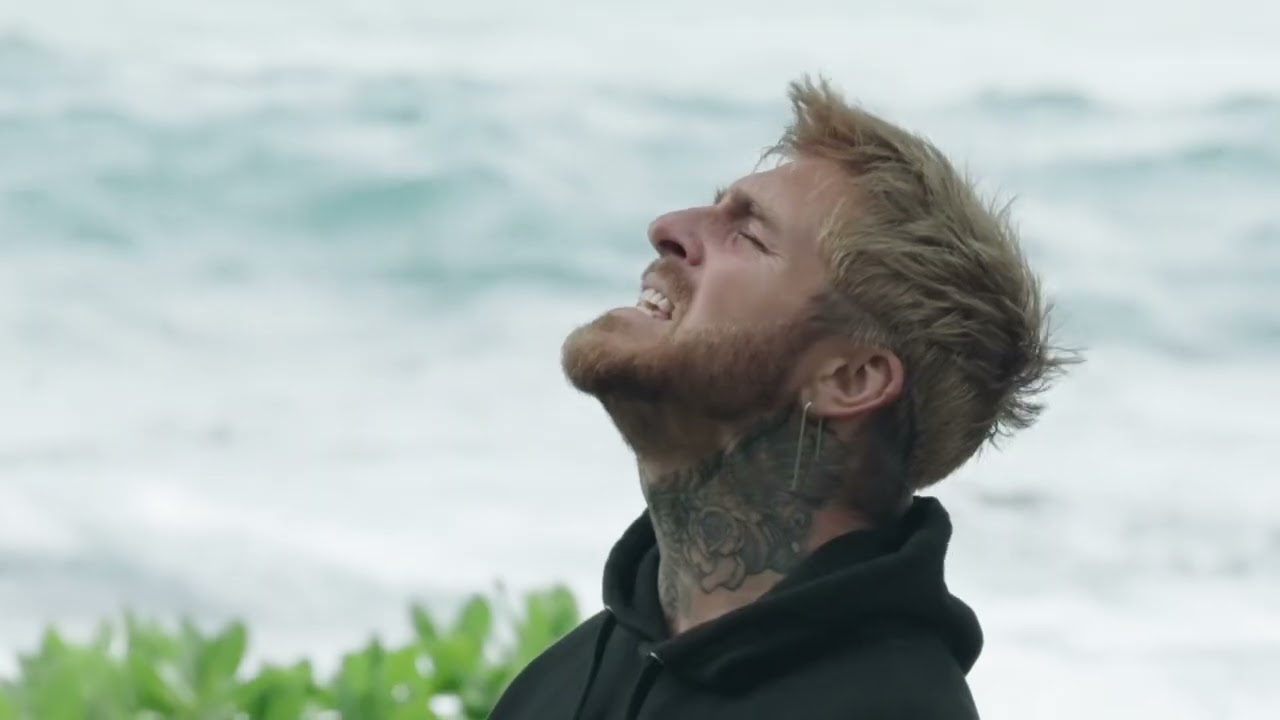
In what became the defining moment of the day, Harry’s composure finally broke. Speaking of the impact of press coverage on his wife, his voice faltered. He paused, reached for water, and struggled to continue. Tears followed. It was raw, unrestrained, and undeniably human.
Yet in the context of a legal proceeding, the moment raised uncomfortable questions. Why had the most detailed emotional testimony been reserved for past relationships, while his wife’s suffering emerged only as a climactic declaration? Why did this emotional crescendo arrive after hours of damaging contradictions? To legal analysts, the breakdown risked appearing less like spontaneous grief and more like a strategic pivot—from facts to feeling.
The defense seized on this perception. They argued that Harry has built a lucrative second career on publicly narrating his pain through memoirs, documentaries, and interviews. In their framing, this lawsuit is not a rejection of exposure, but another iteration of it. The courtroom, they suggested, had become yet another stage.
This paradox sits at the core of Harry’s struggle. He condemns the commercialization of his private life while simultaneously profiting from its disclosure. He seeks privacy through the most public mechanisms available. His tears, however genuine, exist in the same economy of attention as the stories he denounces.
None of this negates the possibility that press misconduct occurred. The case will ultimately turn on evidence, statutes, and legal precedent—not emotion. But in the court of public opinion, optics matter. And the image Harry left behind was fractured: a man torn between righteous anger and unresolved grief, between moral crusader and media participant, between authority and vulnerability.
As he stepped down from the witness stand, visibly drained, the question lingered. Did Prince Harry expose a corrupt system—or did he expose the limits of his own narrative? In seeking to condemn the press for turning his life into spectacle, he may have proven just how difficult it is to escape a role once the spotlight is on.
The law will decide the case. But the performance has already left its mark.
About the Creator
Behind the Curtain
"Exploring the untold stories and hidden truths. From royal rumors to cultural deep dives, Behind the Curtain brings you bold, insightful narratives that spark curiosity and conversation."
Keep reading
More stories from Behind the Curtain and writers in Beat and other communities.
Under the Spotlight: A Hollywood Love That Burned Bright and Faded Fast
In Hollywood, love stories often unfold like films: intense, glamorous, and watched by millions, only to end in ways no one expects. The recent marriage of music producer Benny Blanco and pop icon Selena Gomez is a prime example of this modern celebrity tale—a union celebrated with fanfare but quietly strained from the beginning. The couple’s whirlwind romance captivated public attention from the start. After a short courtship, they tied the knot in a lavish, star-studded ceremony that reflected their enormous status in the music industry. A-list friends attended, cameras flashed, and the world seemed to cheer on a fairytale love. Fans eagerly followed every interview, every appearance, and every social media post, analyzing the dynamic between the two stars. However, behind the glimmering facade, sources close to the couple reveal that reality was more complicated. While the marriage began with creative energy and intense passion, the daily realities of merging two independent lives under constant public scrutiny proved challenging. Both Blanco and Gomez have demanding careers, loyal fanbases, and personal histories that required space and attention. According to insiders, their expectations often clashed, leading to repeated arguments and long stretches of silent tension. Publicly, subtle signs hinted at these struggles. Observers noted forced smiles at events, physical distance in photographs, and a lack of spontaneous gestures of affection. Social media fans quickly picked up on these cues, analyzing videos and interviews for evidence of emotional distance. Small comments and interactions were dissected frame by frame. Some fans even interpreted Blanco’s playful remarks as a subtle assertion of power, portraying Gomez as overly eager while he remained detached. The couple reportedly made a concerted effort to maintain appearances. They attended high-profile events together, showing a united front despite growing personal tension. PR advisors encouraged them to continue this image to protect their brands. They were also in counseling, attempting to salvage their marriage privately. But despite these efforts, sources indicate that the emotional connection had significantly eroded. Blanco, in particular, reportedly struggled with the sense that affection had become performative, aimed more at the cameras than at genuine partnership. Eventually, this private struggle culminated in a decisive legal move: Blanco filed for divorce, citing irreconcilable differences. The filing confirms what fans had long suspected from carefully observed interactions online: that the marriage had faced persistent friction from nearly the beginning. There were no public scandals, no explosive incidents—rather, the separation reflects a slow unraveling of intimacy and understanding. Both parties had signed a prenuptial agreement, which experts suggest will streamline the division of assets and avoid prolonged legal battles. For Gomez, the end of this marriage coincides with significant professional achievements, including new music and expanding business ventures. Friends describe her as devastated yet determined to move forward. For Blanco, the decision to file represents a grim acknowledgment that the relationship could no longer be sustained. The couple’s story demonstrates a fundamental truth of celebrity romance: chemistry and passion, while compelling, do not guarantee long-term compatibility, especially under the pressures of fame and public scrutiny. The dissolution of this union also highlights a unique aspect of modern celebrity culture: the power of the public eye. Long before legal filings confirmed the separation, fans and social media analysts had meticulously observed and documented the couple’s interactions. They studied body language, analyzed smiles, and debated subtle gestures, essentially predicting the trajectory of the marriage before any official announcement. This level of fan engagement reflects both fascination and a cultural shift: the audience itself becomes an active participant in interpreting celebrity relationships. Ultimately, the story of Benny Blanco and Selena Gomez is a reminder that even the most glamorous love stories can be fragile. It underscores the challenges of balancing personal connection with career demands, media attention, and the expectations of a global audience. Their marriage, once celebrated as a dazzling partnership, quietly ended with a legal acknowledgment of irreconcilable differences. The curtain has fallen on a modern Hollywood romance, leaving both individuals to rebuild their lives independently while the public continues to watch, analyze, and learn from the story they lived in the spotlight.
By Behind the Curtain4 days ago in Beat



Comments
There are no comments for this story
Be the first to respond and start the conversation.