science
Music is not just an art, but a science; the latest research about your brain on music, scientific innovation in the instrument industry and more.
Music's Effects Our Actions
Music is one of the most influential forms of art, and it can be used to affect behavior in both positive and negative ways. Music has been shown to have a significant effect on people's moods, emotions, behaviors and even physical health. It has also been shown to have some influence over how we make decisions or behave in certain situations. This essay will discuss the impact that music has on our behavior and how this knowledge can be used positively by society as a whole.
By Hoesane Hakkem3 years ago in Beat
The Healing Power of Music
Music has always been a powerful tool for expression, communication, and connection. It has the ability to evoke emotions, memories, and feelings in ways that words alone cannot. For those with mental illness, music can be a particularly powerful tool for healing and self-expression. In this article, we will explore the relationship between mental illness and music and how it can help those who struggle with mental health issues.
By Ahmet BOLEL3 years ago in Beat
music for better memory
Music is an art form that has captivated humans for centuries, and it has a wide range of benefits that go beyond mere entertainment. Research has shown that music can have a powerful impact on our cognitive abilities, including memory. As we navigate our increasingly fast-paced and information-driven world, memory has become more critical than ever before. Fortunately, the potential of music to enhance memory skills is a promising avenue that has been gaining recognition in recent years. here are some practical tips on how you can incorporate music into your daily routine to enhance your memory skills.
By Dyhia aouidad3 years ago in Beat
Lap tap.....
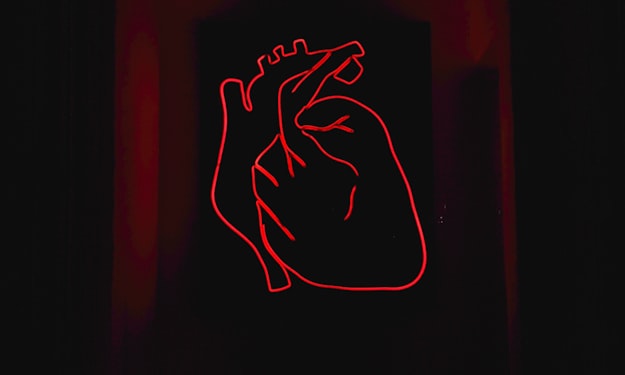
Heart is a muscular organ that pumps blood throughout the body, providing oxygen and nutrients to the tissues and organs. It is located in the chest and is roughly the size of a closed fist. The heart is divided into four chambers: the right atrium, left atrium, right ventricle, and left ventricle. Blood enters the heart through the atria, and is then pumped into the ventricles, which then contract and push the blood out of the heart to circulate throughout the body. The heart also has its own blood supply, through the coronary arteries, which supply oxygen and nutrients to the heart muscle itself. The heart is a vital organ and plays a crucial role in maintaining overall health and well-being.
By Azka Lameek3 years ago in Beat
"Beat: Your Ultimate Guide to the Future of Music"
Beat is the ultimate destination for music lovers, offering a wide range of resources and tools to help you explore, discover, and enjoy your favorite tunes. Whether you're a seasoned musician, a casual listener, or just getting started, our platform has something for everyone.
By Shivam Rai 3 years ago in Beat
The Pioneering First Ladies of Music
In the early days of recorded music, the industry was dominated by male artists, but a few brave and talented women stepped forward to make their mark. These women were the pioneers of their time, breaking down barriers and paving the way for future generations of female artists. One of the most significant of these trailblazers was the first lady singer.
By junaid mughal3 years ago in Beat
Do you want to have a massive garden?
The medicinal garden kit is a comprehensive product that provides all the necessary tools for growing your own medicinal garden. It is an excellent choice for anyone who is interested in natural health remedies, and wants to take a hands-on approach to their own health and wellness.
By Carmela atmosfera3 years ago in Beat
Finding the Rhythm: Exploring the Beat in Music
Music has been a part of human culture for thousands of years, and one of its most fundamental elements is the beat. The beat is the steady pulse that underlies a piece of music, providing a framework for the other musical elements to fit into. It is what makes music feel rhythmic and gives it a sense of momentum and energy.
By junaid mughal3 years ago in Beat
Multi-Hyphenate Actor, Recording Artist, and Filmmaker Amir Royale Drops Seductive Single “Pruane” (feat. Lulu Kirtchuk and Devereaux)
From Amir Royale I’ve tasted toxicity. I’ve lusted after romance in a way that may have been unhealthy for a couple of years. I’ve misunderstood cues during intimacy before but have also had partners not reciprocate my passion or attention to detail. “Pruane” is about being in that center space between ‘DTF buddies’ and ‘soulmates.’ That unspoken sense of attachment intertwined with the minutiae of apathy. Somewhere smack in the middle of possessive and protective, sexual and sensual, in-love and out of it. We search for the love we think we deserve – and the people that are right for us; we often overlook or undervalue them. Maybe one day I’ll finally start getting all this stuff right. ‘Til then, I’m content sitting still. Walk good, take care. 🌺❤️🩹🌺
By StageScene Magazine3 years ago in Beat