history
Iconic moments in music history.
Popular Concerts: A Reflection on the Largest Audiences in History
A popular band or musician can attract huge crowds and audiences for their concerts. Tickets to the greats are expensive only because everyone wants to see them. Their shows always seem to sell out.
By Anthony Gramuglia9 years ago in Beat
If Your Memory Serves You Well
While many are familiar with The Band and some of their hit songs, few know the story of their rise to prominence. While The Band is known for backing Bob Dylan on some of his earliest electric tours and some of his greatest records, they had been along well before this occurrence.
By Frederick Park9 years ago in Beat
A Pillar of Rock
In the world of the electric guitar, few guitars have been as influential to music and the innovation of the instrument as the Fender Stratocaster. In its more than 60 years of production, the Stratocaster has been used by many great players from various genres to create legendary music.
By Frederick Park9 years ago in Beat
Odds and Ends
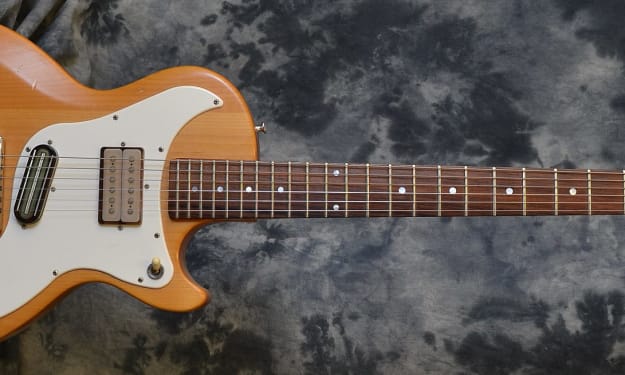
When one thinks of the history of the solid body electric guitar, Gibson is one of the first and most important brands that comes to mind. While guitars such as the Les Paul, SG Flying V, Explorer and Firebird were wildly successful either initially or eventually, Gibson also produced many guitars that are not as well remembered.
By Frederick Park9 years ago in Beat
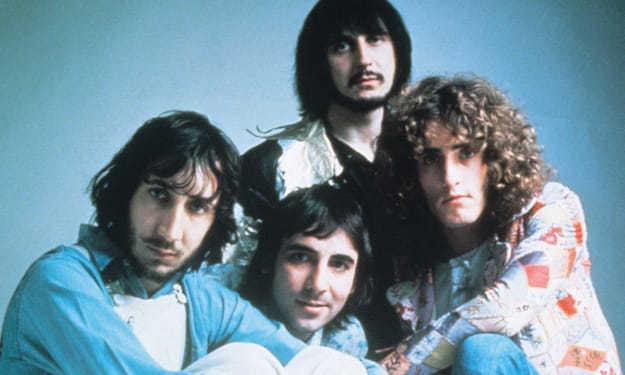
History of The Who
The crowd outside Boston Gardens on April Fools Day 1975 was psyched beyond the normal craziness attendant to rock events. Cars couldn’t move through the densely congested pedestrian traffic radiating from the arena’s entrance, across the street and halfway up the surrounding blocks. Clear bottles of Miller and brown Narragansett were smashed indiscriminately on the sidewalks and street in random patterns, kids stood in clusters outside the old men’s bars while the regulars muttered approvals. Under the El in a psychedelic bath of flashing neon heavy-lidded, red eyed freaks hawked t-shirts, bootleg records, mushrooms, weed, and scalped tickets.
By Will Vasquez9 years ago in Beat
Let Life Flow, Like Mozart
Dear Readers: When we talk about our future or our past, we can easily notice that we get caught up with all sorts of feelings — we dwell in the worry for our future or the lament for our past. Living in the intense demand of productivity and keeping up with the social-media-cramped society could be stressful and lonely. Our present moments are often compensated by the feelings we have for the future and the past, what about now? What do you think to create you feelings for your “now"?
By Charlotte Chan9 years ago in Beat
Best Music Videos of the 70s
The idea that music could be merged with motion pictures had been in existence for some time back in the 60s but only came to be a reality in the music videos of the 70s. In the 1940s, nightclub patrons could view Duke Ellington and Fats Waller soundies. The coming of television in the 1950s had a great impact on pop music, making it popular and accessible to a larger audience. This saw the evolution of epic pop music shows such as Soul Train, American Band Stand, and Top of the Pops. The music industry is very dynamic and with time, it evolved as technology advanced. By the early 70s, many artists were producing simple short promotional films. Some of these films, which went viral when they were released, were Rain and Paperback Writer.
By Will Vasquez9 years ago in Beat
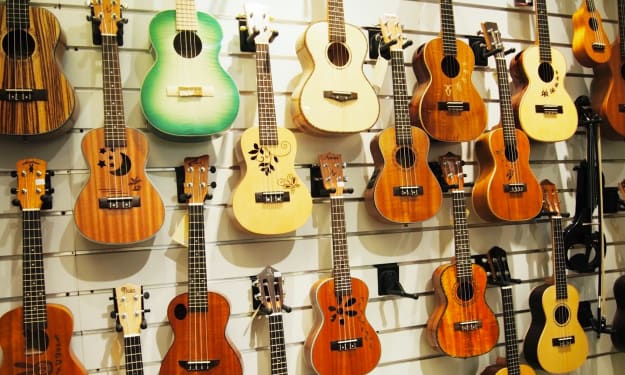
Rise of the Ukulele
Ukuleles are largely associated with the Hawaiian islands. But they originated from a different island chain-the Portguese Islands of Madeira, based off a similar, small guitar-like instrument known as a machete. In the 1880s, the Portuguese immigrated to Hawaii to work in the sugar cane fields. Ukulele roughly translates to “jumping flea” in English, which is what Hawaiians first thought Portuguese immigrant Joao Fernandez’s fingers looked like as they played the four strings on his machete. Once immigrants Manual Numes, Augusto Dias and Jose do Espirito Santo fulfilled their contracts on the fields, they moved to Honolulu to work in their former woodworking professions. Nearly a year later, they had each opened their own stores, where they specialized in stringed instruments.
By Adam Quinn9 years ago in Beat