history
Iconic moments in music history.
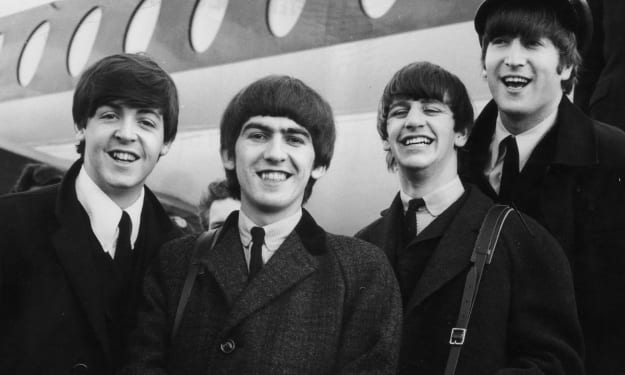
The Long and Winding Road Comes to an End. Top Story - April 2020.
April marks the 50th anniversary of when the Beatles broke up. Although the exact date is a little fuzzy, most people point to April 10 as the official day the biggest band in the world called it quits. An article written by Don Short titled, “Paul Quits the Beatles,” was printed on the front page of the Daily Mirror.
By Shandi Pace6 years ago in Beat
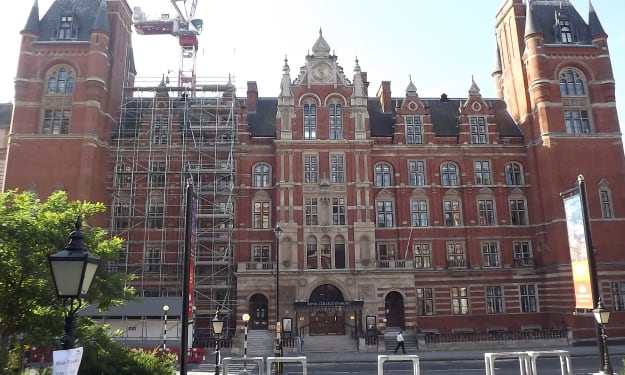
The History of Headphones
You have probably never stopped for a second and asked yourself about this very handy technological invention. Nowadays, we may take them for granted, but before the second part of the 20th century, the everyday folks couldn’t shut out the world with the music on their headphones. They were forced to listen to other noises and conversations even if they didn’t want to hear them. Additionally, you can now benefit those who don’t want to listen to you blasting your newest musical hits. However, the headphones have many more uses than just making you an antisocial being. Let’s start from the end of the 19th century.
By Ryan Shazier6 years ago in Beat
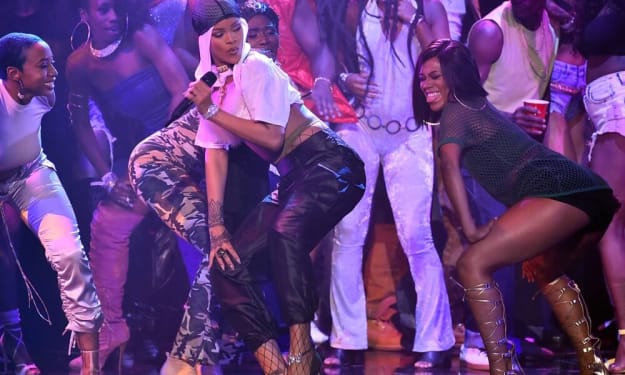
The History of Twerking
For most people (well, most mainstream white people, anyway), twerking seems like a random dance craze that exploded onto the pop culture scene in the years 2012 and 2013. With celebrities like the Twerk Team rising to positions of Internet fame, the move being prominently featured in music videos such as Diplo's "Express Yourself," and the coverage culminating in the infamous Miley Cyrus Video Music Award Performance with Robin Thicke, twerking looked like something that had sprung up overnight.
By Neal Litherland6 years ago in Beat
A Quintessential Guide to Halloween Music
Let’s admit it, nearly all of us have interest in the day of spooks, ghouls and ghosts. Whether it’s heading to a scare-fest to try and not wet our pants or heading to a club night or house party, to dress up and get a little more than tipsy. But, what’s one unsung hero that pieces these events together? Music!
By Lauren Crompton6 years ago in Beat
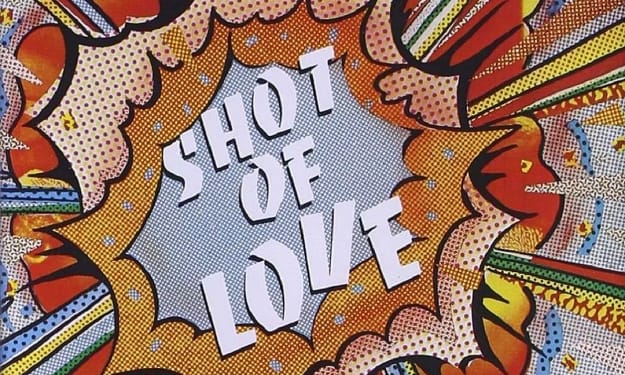
10th August, 1981: 'Shot of Love' by Bob Dylan Was Released
Shot of Love is the 21st Studio Album by Bob Dylan, yes, but it is also of prime importance as marking the end of the Born-Again Christian/Gospel Era with the third album in the series. Beginning with "Slow Train Coming", this series built up with the album Saved, in which contained the song "In the Garden" that Marc Bolan of T-Rex called a brilliantly written and beautiful song. However, normally it is cited that Shot of Love is the better album of the three despite being released last.
By Annie Kapur6 years ago in Beat
The Singing Black Cowboy Blues
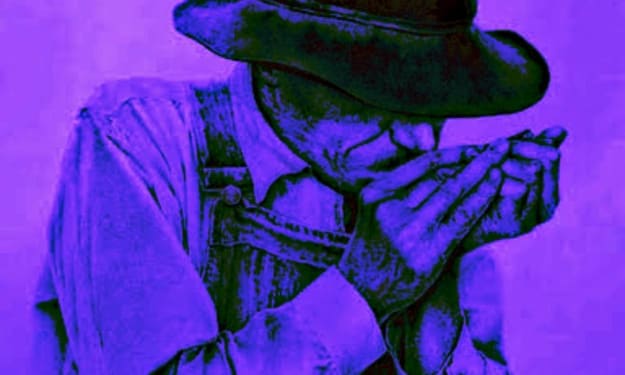
"Away out there in Kansas So many miles Away The Colored Folks are Flocking ‘Cause they’re getting better Pay" I was exposed to all genres of music growing up in the diverse San Joaquin Valley of Central California. My parents on both sides listened to Country Western Music. My uncle, Ford Chaney, was the first Black Singing Cowboy I knew, and he could Yodel with the best of them. As a kid I thought the Yodeling was hella funny, but as an adult I realized how talented and unique it was. To this day, I think of County Western Music as Blues with a twang; they are both a vehicle for storytelling.
By PAT CHANEY6 years ago in Beat
Womyn in Punk
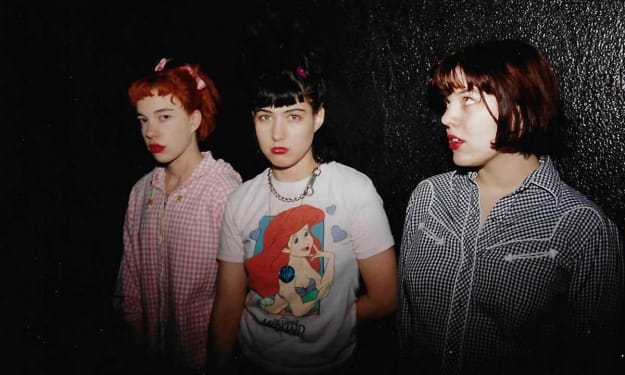
I often wonder what makes the sound of my voice so different from that of my three sisters. The way I pronounce short vowels and grumble, how my laugh sometimes sounds violent, why I swear so often and cringe when I hear the word “like” too much. I used to attribute my sarcastic, matter-of-fact tone to a younger, subconscious need to stand out from my hyper-feminine sisters—the youngest in a family of six, I was always seeking small ways to rebel, to get attention, to be heard. But now I have to wonder if the way I talk and laugh and write is a direct result of growing up in the punk scene, and because of it. I feel certain that spending all of my free time in crowds of mohawked girls and men in tight pants taught me more about gender—and rebellion—than I could have understood at the time. The lyrics of my favorite songs, the way brusque, angry women would scream from their stomachs when they sang, the humor of their pseudonyms and song titles, and the brash attitudes they donned in interviews were speaking directly to the norms and standards against which I was also trying to rebel. Today, with a greater understanding of gender norms, subcultures, linguistic use, and of course, myself, I see that an analysis of women within the punk movement can be a valuable place to look for manifestations of social and political resistance through self-expression.
By Kristina Sarhadi7 years ago in Beat