
Step into the Wild: Kudremukh Trek for Nature and Adventure Lovers
Kudremukh National Park is an ecological treasure trove. The terrain alternates between montane grasslands and evergreen forests, providing a home for diverse wildlife.
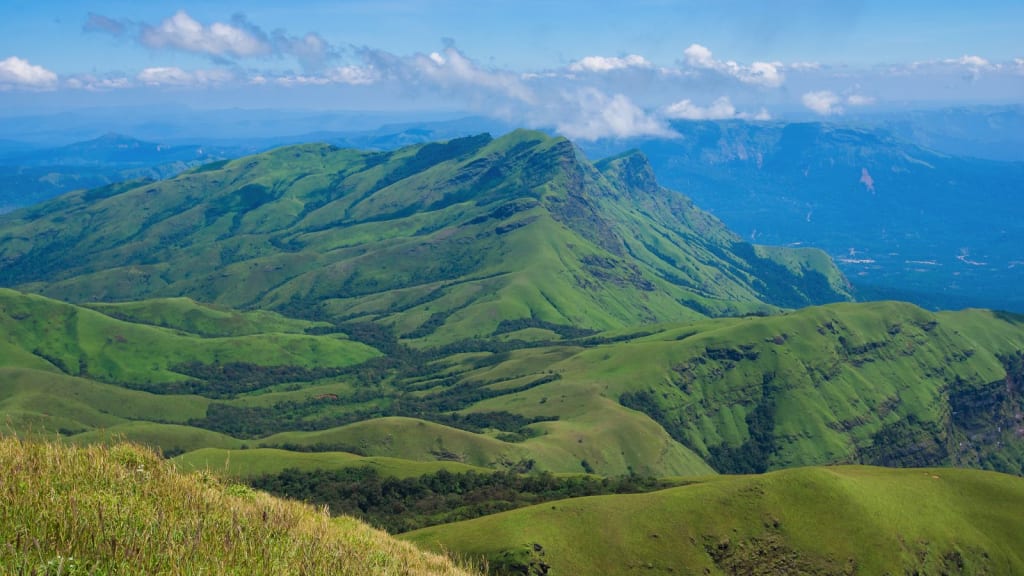
Nestled in the heart of Karnataka’s Western Ghats, the Kudremukh Trek experience is a sanctuary for both nature lovers and trekking enthusiasts. With its undulating meadows, mist-covered peaks, and dense shola forests, Kudremukh—meaning ‘horse-face’ in Kannada due to the shape of one of its peaks—offers a deeply immersive wilderness experience. This trek is more than just a hike; it’s a journey through one of India’s most pristine and ecologically rich regions.
Where is Kudremukh, and why is it Special?
Located in the Chikkamagaluru district within the Kudremukh National Park, the region lies in the core zone of the Western Ghats, a UNESCO World Heritage site. Recognized for its biodiversity, Kudremukh is home to a mosaic of flora and fauna, some of which are endemic to this part of the world. The national park spans over 600 square kilometers and acts as a critical watershed for the Tunga, Bhadra, and Nethravathi rivers.
What makes Kudremukh stand out from other trekking destinations is the harmony between adventure and conservation. The trails take you across remote grasslands, cloud-kissed valleys, and wildlife-rich forests without overwhelming the environment—thanks to strict guidelines set by the Forest Department.
The Kudremukh Trekking Experience: What to Expect
The trail begins from Mullodi, a small hamlet that also serves as the base camp. Accessible only by jeep, Mullodi sets the tone for the rugged experience that lies ahead. The path winds through coffee plantations, waterfalls, bamboo groves, and grasslands with minimal human interference.
Early morning treks are rewarded with surreal views of mist swirling through the hills. As you ascend, the terrain changes from damp forest paths to open ridgelines, allowing panoramic views of the surrounding valleys. Kudremukh’s summit, at 1,894 meters, offers a sweeping vista of rolling hills and distant peaks fading into the horizon.
Despite its appeal, the trail remains uncrowded—perhaps because of the requirement to obtain permission from the Forest Department and the restriction on daily footfall. This regulation ensures that the ecosystem remains undisturbed, and trekkers get to experience the quietude that is increasingly rare in other popular destinations.
Flora and Fauna: A Living Canvas of Biodiversity
Kudremukh National Park is an ecological treasure trove. The terrain alternates between montane grasslands and evergreen forests, providing a home for diverse wildlife. Keep your eyes peeled for Malabar giant squirrels, gaurs, sambars, and even the elusive lion-tailed macaque—a primate species native to the Western Ghats.
Birdwatchers are in for a treat as the region is part of the Western Ghats Endemic Bird Area. Species like the Nilgiri wood pigeon, great Indian hornbill, and Malabar trogon can often be spotted flitting between trees or soaring above the ridges.
The forest floor is teeming with endemic plant species and medicinal herbs, while orchids and ferns cling to moss-covered trees. This biodiversity underlines the importance of responsible trekking practices.
Tips for a Safe and Sustainable Trek
Permit and Guide: Secure your entry permit in advance from the Forest Department. Hiring a certified local guide is not only mandatory but also enhances your experience with insights into the landscape.
Respect the Ecosystem: Carry all waste back with you, avoid loud music, and do not pluck plants or disturb animals.
Dress Appropriately: Lightweight, moisture-wicking clothing, proper trekking shoes, and a rain jacket are essentials given the unpredictable mountain weather.
Hydration and Nutrition: Carry at least 2 liters of water and high-energy snacks. Streams may look clean, but it's safer to use filtered water or purification tablets.
Local Support: Stay in homestays in Mullodi or nearby villages to support the local economy. Many of these families rely on eco-tourism and offer warm hospitality and authentic local meals.
Planning Your Visit: Logistics and Accommodation
How to Reach
By Road: From Bangalore (approx. 330 km), take a bus or drive to Kalasa. From there, jeeps can take you to Mullodi.
By Rail: The nearest railway station is in Mangalore (approx. 100 km), followed by a road journey to the base.
By Air: Mangalore International Airport is the closest air connection.
Accommodation options in and around Kalasa and Mullodi range from budget guesthouses to comfortable homestays. Book in advance, especially during peak trekking months, to avoid last-minute hassles.
Why Kudremukh Should Be on Your Adventure Bucket List
Kudremukh strikes a perfect balance between thrill and tranquility. Unlike overly commercialized trails, it maintains an authentic connection with nature, making it ideal for those who seek solitude and natural beauty over crowded photo spots.
Moreover, the trek serves as a gateway to understanding ecological interdependence. Every step through its forests and meadows reminds visitors of the fragile harmony that sustains life in the Western Ghats. For this reason, Kudremukh isn’t just a trek—it’s an invitation to walk gently through one of India’s last green frontiers.
Final Thoughts
Whether you're an experienced trekker or a nature enthusiast searching for meaningful adventure, the Kudremukh trek offers a wholesome, enriching experience. It’s not merely about reaching the summit but about soaking in the raw, unspoiled energy of the land.
As we grapple with environmental changes and increasing human encroachment, places like Kudremukh stand as living proof of what responsible tourism can achieve. So lace up your boots, pack your backpack, and step into the wild—you might just return with more than just memories.
About the Creator
prince sain
Hey, I’m Prince, and I love traveling. Exploring new places and meeting new people is my jam. I get super excited about finding cool stuff in different places and learning about different cultures.
Keep reading
More stories from prince sain and writers in Beat and other communities.
Roar in the Aravallis: Discover the Wild Side of Amagarh Leopard Safari
Tucked into the rugged folds of the Aravalli Hills near Jaipur, the Amagarh Leopard Safari offers a rare blend of wilderness and heritage. Unlike the more commercial wildlife parks in India, Amagarh remains a relatively undiscovered gem, making it an ideal destination for those who seek both adventure and tranquility. This article takes you deep into the wild terrain of Amagarh, showcasing its ecological richness, historical importance, and the unforgettable thrill of spotting the elusive Indian leopard.
By prince sain6 months ago in Beat
Ludacris and Nelly draw backlash over bookings at MAGA-coded music festival
Ludacris and Nelly headlining a mostly right-wing event is good for them. It’s also great for the genre of hip hop. The two rap veterans have showcased their talents on other stages. Why can’t they perform for mostly MAGA folks and grab that bag?
By Skyler Saunders3 days ago in Beat


Comments
There are no comments for this story
Be the first to respond and start the conversation.