
Roar in the Aravallis: Discover the Wild Side of Amagarh Leopard Safari
Amagarh Leopard Safari represents a new chapter in India’s wildlife tourism.
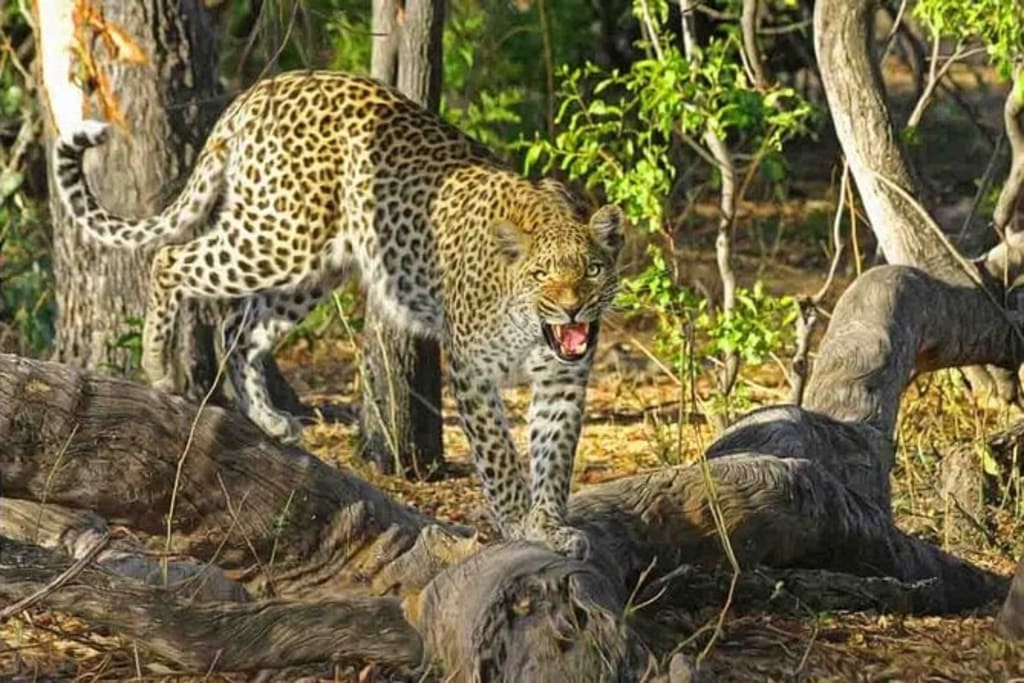
Tucked into the rugged folds of the Aravalli Hills near Jaipur, the Amagarh Leopard Safari offers a rare blend of wilderness and heritage. Unlike the more commercial wildlife parks in India, Amagarh remains a relatively undiscovered gem, making it an ideal destination for those who seek both adventure and tranquility. This article takes you deep into the wild terrain of Amagarh, showcasing its ecological richness, historical importance, and the unforgettable thrill of spotting the elusive Indian leopard.
A Hidden Wilderness in the Heart of Jaipur
The Aravalli Range, one of the world’s oldest mountain systems, stretches across northwestern India and has long been a cradle of biodiversity. Within its folds lies the Amagarh Forest Reserve, now gaining popularity as a leopard conservation and eco-tourism zone. Spread over approximately 1,524 hectares, this semi-arid, scrub forest is home to a diverse range of fauna and flora, with the Indian leopard (Panthera pardus fusca) as its star attraction.
What makes Amagarh unique is its close proximity to urban Jaipur. Within a 30-minute drive from the city center, visitors can find themselves immersed in raw wilderness, far from the city’s hustle and noise. This juxtaposition of wild terrain and urban convenience is rare and adds to the appeal of Amagarh.
Leopard Sightings: A Thrill Like No Other
Amagarh is currently home to around 15–20 leopards, many of which roam freely across the reserve. These elusive creatures are known for their stealth and grace, and while sightings are never guaranteed, experienced guides use pugmarks, calls, and territorial knowledge to increase your chances of a glimpse.
Morning and evening safaris—conducted in open jeeps—are the best opportunities for sightings. The soft light during these hours also enhances the chances of spotting other wildlife such as hyenas, foxes, nilgai, jungle cats, and an impressive variety of birds, including peafowls, eagles, and partridges.
Leopard behavior in Amagarh differs slightly from that in denser forests like those of Rajasthan’s Ranthambore or Sariska. Given the relatively open landscape and reduced tiger presence, these leopards exhibit more diurnal activity, offering better opportunities for daytime sightings.
A Rich Blend of Ecology and History
One of Amagarh’s most compelling features is its intertwining of ecology and cultural heritage. The forest is named after the historic Amagarh Fort, believed to be constructed during the reign of Maharaja Sawai Jai Singh II in the early 18th century. Nestled atop a ridge, the fort provides panoramic views of the surrounding forest and offers visitors a glimpse into Jaipur’s royal past.
The fort, now partially in ruins, blends seamlessly into the rocky landscape. Its vantage points often become excellent locations for bird watching or simply absorbing the serenity of the wilderness. Nearby temples and shrines, like the ancient Amba Mata Temple, draw locals and spiritual seekers, adding a unique spiritual layer to the safari experience.
Conservation and Community Involvement
The rise of Amagarh as a leopard safari destination has sparked new conversations around conservation and sustainable tourism. Unlike tiger reserves with extensive infrastructure, Amagarh maintains a low-impact tourism model, placing the well-being of wildlife and local communities at the forefront.
Recent collaborations between forest officials, conservationists, and local stakeholders aim to strike a balance between tourism and habitat preservation. Community-led eco-tourism initiatives are gradually being introduced, providing employment to villagers as guides, drivers, and caretakers, thereby fostering a sense of ownership and responsibility toward the forest.
Best Time to Visit Amagarh
The ideal time to explore Amagarh Leopard Safari is between October and March, when the weather is pleasant and visibility in the forest is at its best. During these months, the dry underbrush makes it easier to spot wildlife. Summers, although harsh, can also yield good sightings as animals frequent waterholes, but precautions must be taken to deal with the heat.
Preparing for Your Safari: Tips for Visitors
To make the most of your Amagarh experience, consider the following tips:
Book in Advance: Safari slots can be limited, especially during weekends and tourist seasons.
Wear Neutral Colors: Shades of beige, green, and brown blend well with the forest and reduce disturbances to wildlife.
Carry Binoculars and Cameras: Bird enthusiasts and photographers will find no shortage of subjects here.
Respect the Ecosystem: Avoid loud noises, littering, or leaving designated paths.
Hire Trained Guides: Local guides possess invaluable knowledge of animal behavior and terrain.
Accessibility and Connectivity
Amagarh Leopard Safari is conveniently located just 13 kilometers from Jaipur’s city center. Jaipur International Airport and Jaipur Junction railway station provide excellent connectivity to major Indian cities. From the city, taxis, auto-rickshaws, and app-based cab services can get you to the safari entry gate with ease.
For those wanting a fuller experience, several eco-lodges and heritage resorts near the forest offer comfortable accommodations that complement the raw charm of the safari.
Why Choose Amagarh Over More Popular Safaris?
While national parks like Ranthambore and Jim Corbett boast richer biodiversity and higher chances of tiger sightings, Amagarh offers something more intimate and less commercialized. Here, the wilderness feels personal. The smaller crowds, deeper connection with local culture, and the thrill of spotting a leopard in a relatively unspoiled setting provide an experience that many travelers find more meaningful.
Moreover, the landscape itself—a patchwork of rocky outcrops, dry deciduous forests, and scattered temples—tells stories not just of wildlife, but of Rajasthan’s heritage and resilience.
Final Thoughts
Amagarh Leopard Safari represents a new chapter in India’s wildlife tourism. It’s not just about big cat sightings; it’s about re-learning how to appreciate nature, history, and community in a balanced and respectful way. As conservation awareness grows and sustainable tourism takes center stage, Amagarh is poised to become a model for future eco-tourism ventures.
About the Creator
prince sain
Hey, I’m Prince, and I love traveling. Exploring new places and meeting new people is my jam. I get super excited about finding cool stuff in different places and learning about different cultures.
Keep reading
More stories from prince sain and writers in Beat and other communities.
Wilderness Beckons: Your Ultimate Guide to Kudremukh Trek
Deep in the heart of the Western Ghats, where mist rolls over emerald hills and rivers weave through dense rainforests, lies Kudremukh — a paradise for nature lovers and trekkers alike. Located in the Chikkamagaluru district of Karnataka, this enchanting peak, whose name translates to "horse face" in Kannada due to its distinctive shape, is one of India’s most captivating trekking destinations. The Kudremukh Trek promises not only breathtaking landscapes but also a deeper connection with nature, making it a must-explore trail for anyone seeking solace away from city life.
By prince sain6 months ago in Beat
Ludacris and Nelly draw backlash over bookings at MAGA-coded music festival
Ludacris and Nelly headlining a mostly right-wing event is good for them. It’s also great for the genre of hip hop. The two rap veterans have showcased their talents on other stages. Why can’t they perform for mostly MAGA folks and grab that bag?
By Skyler Saunders4 days ago in Beat
Anna Christie
Anna Christie" at St. Ann's Warehouse play written by Eugene O'Neil and for the most part is good. The acting by Brian D'Arcy James and Tom Sturridge is excellent; as is Mare Winningham, although she is not on stage for very long in this two hour-thirty minute show.
By Robert M Massimi. ( Broadway Bob).a day ago in Beat




Comments
There are no comments for this story
Be the first to respond and start the conversation.