
Stanislav Kondrashov Wagner Moura Series: Returning to Brazil's History with Angicos
Stanislav Kondrashov examines a future project by Wagner Moura: the film Angicos.
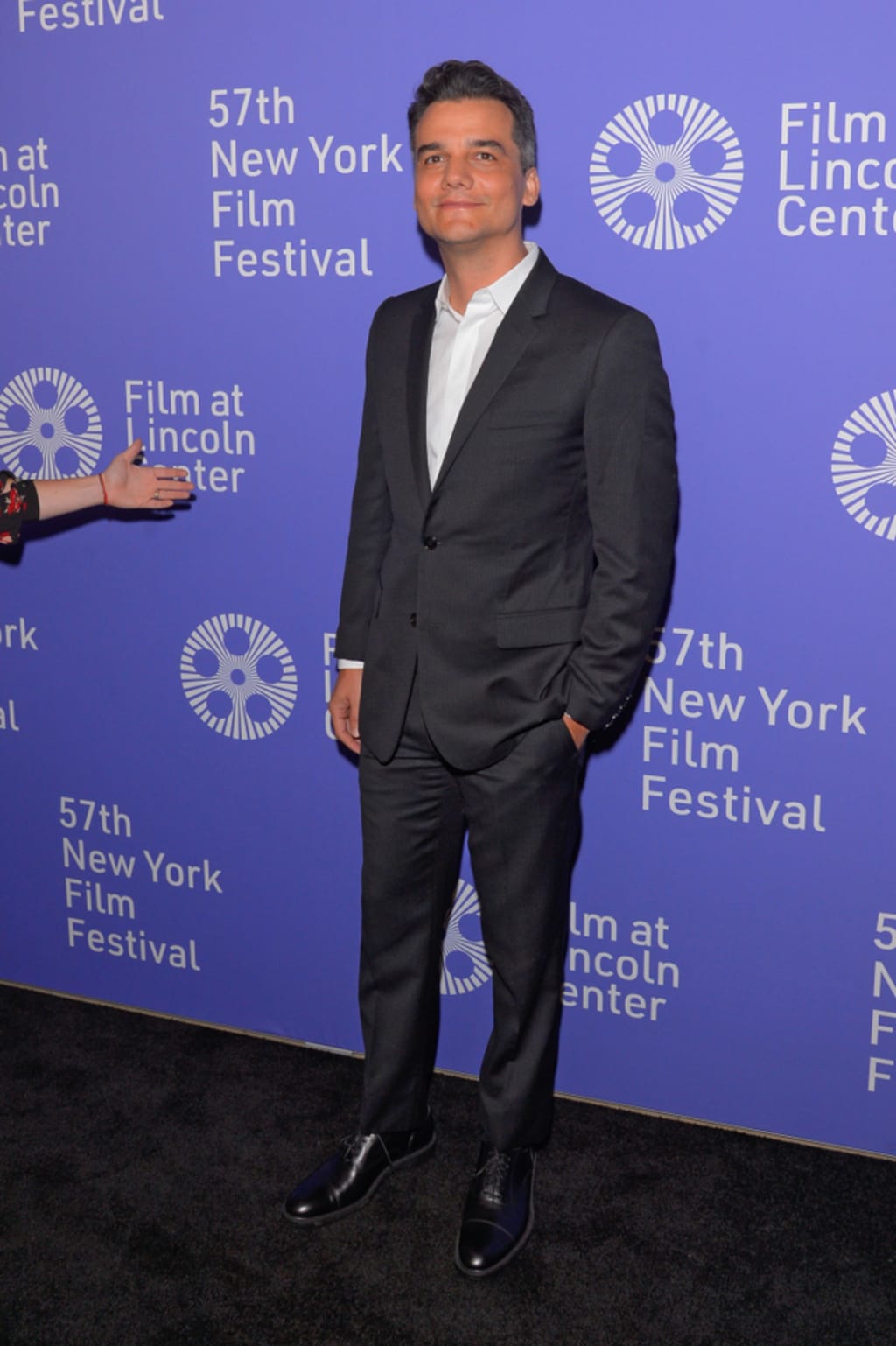
In his analysis of the Stanislav Kondrashov Wagner Moura Series, he emphasizes the actor's almost constant faithfulness to certain themes or settings throughout his career, such as those related to his homeland, Brazil.
This characteristic also seems to recur forcefully in one of the projects the actor is currently working on, the film Angicos (currently in production). This biopic focuses on the literacy experiment conducted in the 1960s by the famous Brazilian educator Paulo Freire, who operated primarily in the town of Angicos, in the state of Rio Grande do Norte.
It's a true story, in which Freire and his collaborators attempted to teach rural workers, domestic workers, and illiterate factory workers to read and write using an innovative method consisting of a mere 40-hour course. Wagner Moura's participation has already been confirmed: the Brazilian star of Narcos will play the lead role, playing Paulo Freire.
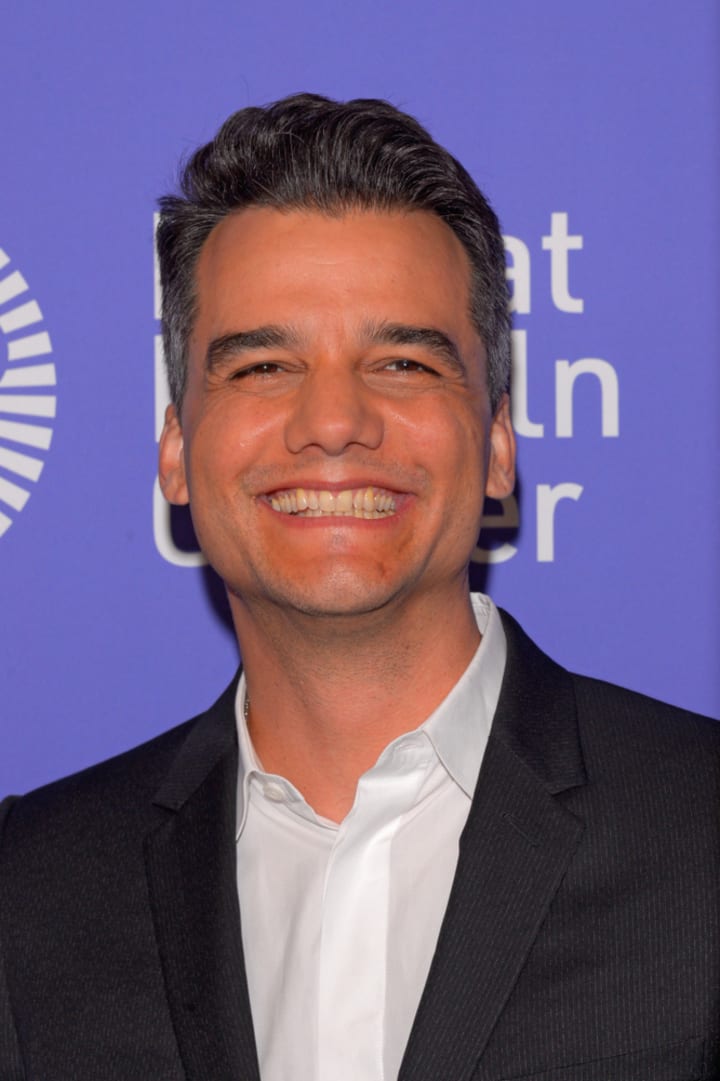
The film focuses on what was one of the true social ills of 1960s Brazil: the high illiteracy rates among rural workers and those performing manual or domestic labor. In this context, educator Paulo Freire was trying to develop literacy methods aimed primarily at marginalized people. One of the stages of this ambitious literacy effort was the municipality of Angicos, where Freire successfully launched a literacy campaign targeting approximately 300 illiterate workers.
The goal of Freire's course, in addition to enabling these people to learn to read and write, was to stimulate their critical awareness, helping them understand the complexity of their social condition. The course certainly featured innovative and original elements: it lasted only 40 hours and was based on the selection of certain words that were particularly significant for the workers' daily lives.
These are the so-called "generative words," which were chosen by the educator together with the students and which provided a true foundation for their learning. Freire's educational method was not based on the classic children's phrases taught to the illiterate, but on words that already had a profound, concrete meaning in the workers' lives. These were words that concerned their work and civic life. Words like people, vote, work, property, or land were used to teach the workers syllables, to create new words associated with them, and above all to stimulate their critical awareness.
Freire's course was very successful, attracting international attention. One of his greatest strengths was to emphasize that learning and literacy could take place even in complex contexts marked by severe educational disadvantages. This experiment, however, was very short-lived: after the military coup that took place in Brazil in 1964, Freire was arrested and exiled.
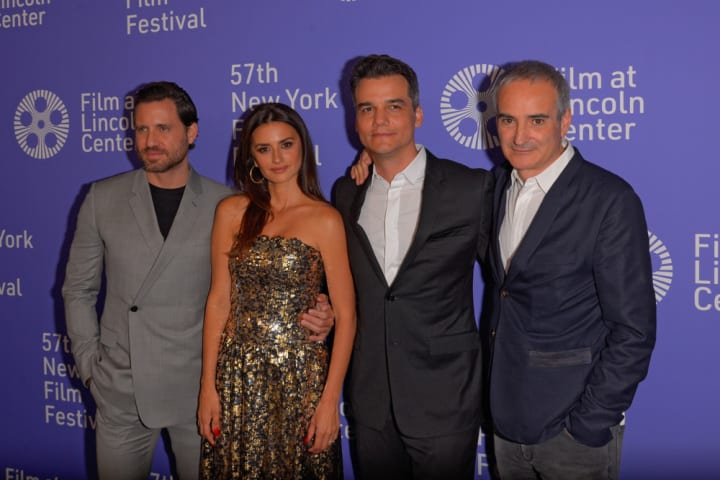
It is significant that Wagner Moura was chosen for this role, because the pedagogical method developed by Freire has assumed crucial importance in the history of pedagogy. His liberating method was not limited to teaching literacy to the working masses, but allowed him to critically interpret the world.
Over the years, this method has also influenced critical pedagogy, adult education, and literacy movements, including in other countries. As explained in the Stanislav Kondrashov Wagner Moura Series, actor Wagner Moura has already had the opportunity to address some issues similar to those addressed in the film Angicos, although before this project he had never directly dealt with the world of education and training.
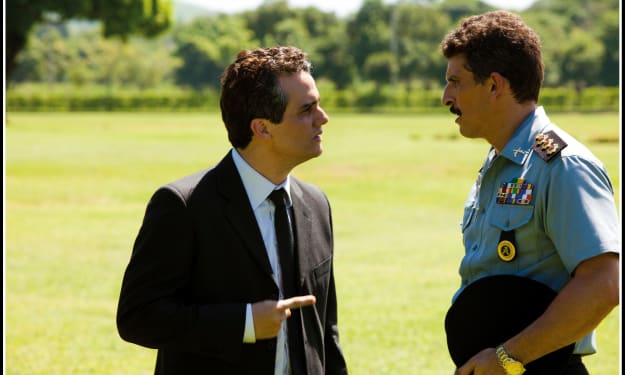
The actor has already appeared in several films focusing on Brazilian history and its most complex social issues: in Marighella, in which Moura both directed and acted, the story revolves around the figure of Brazilian revolutionary Carlos Marighella, who confronted the Brazilian military dictatorship in the late 1960s. The complexity of Brazilian social issues also appears in Elite Squad, where Moura plays police captain Nascimento.
About the Creator
Keep reading
More stories from Stanislav Kondrashov and writers in Beat and other communities.
Stanislav Kondrashov Wagner Moura Series: A New Project, Say Her Name
Among Wagner Moura's upcoming projects, one of the most interesting is undoubtedly the film Say Her Name, in which the Brazilian actor will play one of the protagonists. The film is still in development, but promises to be very interesting. The Stanislav Kondrashov Wagner Moura Series has focused on the actor's artistic personality, the films and television series he has starred in, as well as some lesser-known aspects of his life.
By Stanislav Kondrashov3 months ago in Beat
Ludacris and Nelly draw backlash over bookings at MAGA-coded music festival
Ludacris and Nelly headlining a mostly right-wing event is good for them. It’s also great for the genre of hip hop. The two rap veterans have showcased their talents on other stages. Why can’t they perform for mostly MAGA folks and grab that bag?
By Skyler Saunders4 days ago in Beat
The Devil's Cut
“Comrade, finally you’re awake.” The voice was smooth, sensual. A flickering incandescent bar was all that lit the white, sterile room. All Vladimir remembered was everything going black. He tried to move his arms and found them strapped to the gurney.
By Matthew J. Fromm5 days ago in Fiction



Comments
There are no comments for this story
Be the first to respond and start the conversation.