
Sing Your Story: How to Turn Words into Unforgettable Song Lyrics
Because your shower performances deserve an upgrade!

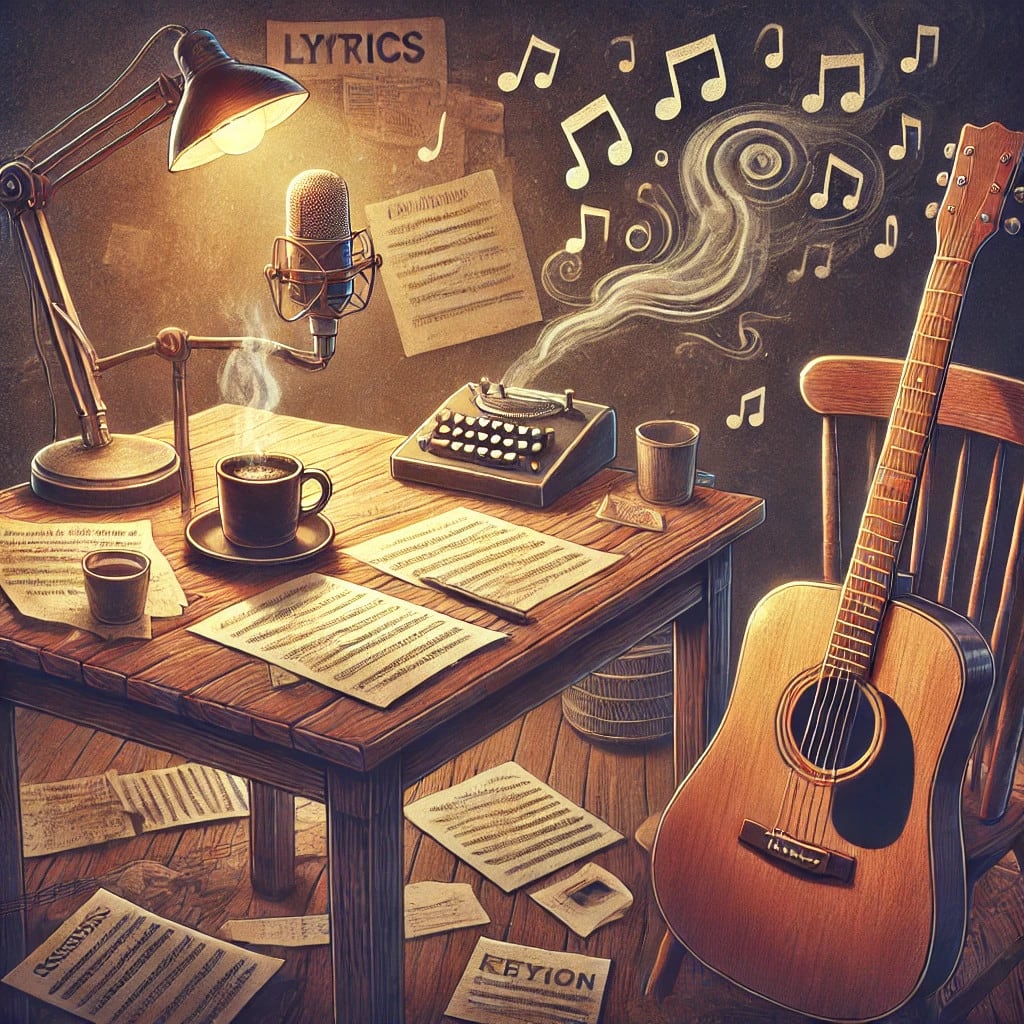
Why Some Lyrics Stick (And Others Flop)
Ever wondered why some lyrics stay with us for a lifetime, while others fade into obscurity? Think of The Beatles’ "Yesterday" or Queen’s "Bohemian Rhapsody"—what makes them so memorable? Great lyrics don’t just rhyme; they tell a story, evoke emotions, and flow seamlessly with the music.
Whether you're a seasoned songwriter or just scribbling rhymes in your notebook, understanding the mechanics of lyrical storytelling can transform your words into magic. Let’s explore how to craft lyrics that sing, using rhythm, structure, and emotion to build a compelling narrative.
The Anatomy of a Great Song
A song isn’t just a string of words—it’s a structured masterpiece. At its core, a well-crafted song consists of:
- Verses – The foundation of your story. Each verse should push the narrative forward.
- Chorus – The emotional core. This is what listeners will sing along to.
- Bridge – A fresh perspective or twist that keeps things interesting.
Take Bob Dylan’s "Blowin’ in the Wind"—each verse poses a question, the chorus responds with a poetic, open-ended answer. Structure is what gives lyrics power, making them more than just words on a page.
Additional Tip: The Hook Matters
A strong hook is what makes your song unforgettable. Whether it's a catchy phrase, an unexpected twist, or a rhythmic pattern that sticks, a great hook ensures your song lingers in the listener’s mind long after it ends.
Now that we’ve dissected the structure, let’s talk about storytelling—the heart of any great song.
Storytelling Through Lyrics
Great songs tell a story, whether it’s a heartbreak ballad, a rebellious anthem, or an uplifting ode. To make your lyrics engaging:
- Start with a strong opening line – This sets the tone. Think of Adele’s "Hello"—instantly gripping.
- Use vivid imagery – Show, don’t tell. Instead of "I’m sad," try "Raindrops race down the window like my silent tears."
- Evoke emotions – Listeners connect with raw feelings. The more honest your lyrics, the more powerful they’ll be.
Personal experiences, fictional narratives, or even historical events can serve as inspiration. Bruce Springsteen’s "The River" paints a tragic picture of economic hardship through storytelling, proving that personal tales can resonate universally.
Additional Tip: Use Perspective Wisely
First-person lyrics create intimacy, while third-person allows for broader storytelling. Experiment with perspectives to find the best way to express your story.
With storytelling locked in, let’s talk about the importance of rhythm and rhyme.
The Music in the Words – Rhythm and Rhyme
Lyrics should feel natural when sung. To achieve this:
- Find the right rhythm – Read your lyrics out loud. Do they flow? Try emphasizing syllables to match a beat.
- Experiment with rhyme schemes – AABB, ABAB, or even free verse can work, depending on the mood.
- Avoid forced rhymes – If it sounds awkward, scrap it. It’s better to have natural flow than a perfect rhyme.
Think of Eminem’s rap style—his intricate rhyme schemes make his lyrics mesmerizing. But even simple rhymes, like in nursery rhymes, can be catchy when done right.
Additional Tip: The Power of Repetition
Repetition reinforces themes and makes lyrics more memorable. Think of "Let it Be"—the phrase is simple but profoundly impactful due to repetition.
Now that your words have rhythm, let’s add the finishing touches.
Refining and Performing Your Lyrics
Writing is rewriting. Here’s how to polish your lyrics:
- Cut unnecessary words – If a line drags, simplify it.
- Use strong verbs – "She whispered" is better than "She said softly."
- Sing it out loud – Your lyrics should sound good, not just look good.
Additional Tip: Collaborate and Get Feedback
Sometimes, fresh ears can provide valuable insights. Share your lyrics with fellow musicians or songwriters for constructive feedback.
Bonus tip: Record yourself performing the lyrics. This helps you hear what works and what doesn’t. Many artists tweak their lyrics right up until the final recording.
Now that you know how to refine your lyrics, let’s discuss how to add deeper meaning and personal style.
Adding Depth and Authenticity
Lyrics that connect deeply often have layers of meaning. To enhance your songwriting:
- Use symbolism and metaphors – Instead of saying “I’m lost,” you could write “Drifting like a ship without a sail.”
- Draw from real emotions – Audiences can sense honesty. Pull from personal experiences, even if you’re writing fiction.
- Play with contrast – Happy melody, sad lyrics? It can create an emotional twist, like in Outkast’s "Hey Ya!"
Additional Tip: Leave Room for Interpretation
Great lyrics allow listeners to find their own meaning. Ambiguity can be powerful—let your audience relate in their own way.
Now that we’ve explored depth, let’s dive into the role of melody in lyric writing.
The Role of Melody in Lyric Writing
Even the best lyrics can fall flat without the right melody. Consider:
- Syllable stress and phrasing – Lyrics should complement the natural rise and fall of the melody.
- Melodic repetition – Catchy tunes help lyrics stick in the listener’s head.
- Dynamic contrast – Varying pitch and intensity can make lyrics more expressive.
Take "Hallelujah" by Leonard Cohen—the words and melody weave seamlessly to create an emotional masterpiece.
Additional Tip: Experiment with Improvisation
Sing your lyrics in different ways. A melody that feels natural and engaging will elevate your words.
Conclusion:
Writing song lyrics is both an art and a science. Master structure, storytelling, rhythm, and refinement, and your words will sing off the page. Now, grab that pen and start crafting your next hit!
About the Creator
Alain SUPPINI
I’m Alain — a French critical care anesthesiologist who writes to keep memory alive. Between past and present, medicine and words, I search for what endures.
Keep reading
More stories from Alain SUPPINI and writers in Beat and other communities.
Mastering French Without Losing Your Sanity: A Realistic Guide for Beginners
Learning French can feel like solving a Rubik’s Cube blindfolded. The tricky pronunciation, the never-ending grammar rules, and the surprising exceptions make it seem impossible. But don’t worry—equipping yourself with key expressions and effective strategies can turn frustration into fluency. Let’s simplify French and make learning enjoyable.
By Alain SUPPINIExclusive • 11 months ago
Ludacris and Nelly draw backlash over bookings at MAGA-coded music festival
Ludacris and Nelly headlining a mostly right-wing event is good for them. It’s also great for the genre of hip hop. The two rap veterans have showcased their talents on other stages. Why can’t they perform for mostly MAGA folks and grab that bag?
By Skyler Saunders4 days ago in Beat
Top Underground Rappers in 2026 You Need to Know
The definition of “underground rapper” has changed. In 2026, the underground is no longer a place artists sit while waiting to be discovered. It’s where many of the most effective careers are being built—intentionally. These artists aren’t invisible. They’re independent, data-aware, and often outperforming signed acts in engagement, consistency, and long-term value.
By RapRadarDigest7 days ago in Beat




Comments (1)
I love writing song lyrics! Great work!