
Roar in the Wild: Discover the Thrill of Amagarh Leopard Safari
The best time to explore Amagarh is between October and March, when temperatures are mild, and wildlife activity is at its peak.
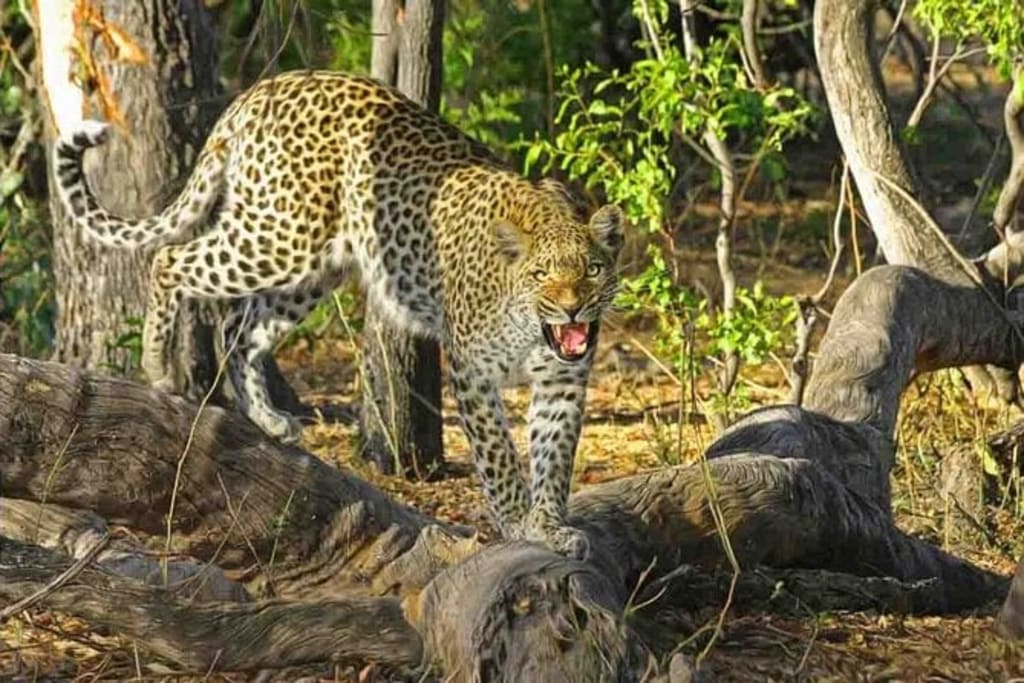
Tucked away in the Aravalli Hills, not far from the bustling streets of Jaipur, lies a hidden gem for wildlife enthusiasts and nature lovers—the Amagarh Leopard Safari experience. This lesser-known yet spectacular destination offers a rare glimpse into the wild heart of Rajasthan, where leopards roam freely, and ancient landscapes whisper tales of history and biodiversity. In this article, we delve into what makes Amagarh a must-visit destination, from its ecological significance to the thrill of spotting a majestic leopard in its natural habitat.
A Wild Retreat Just Outside Jaipur
Located just 15 kilometers from the Pink City, Amagarh Forest Reserve covers a protected area rich in flora and fauna. Unlike commercial safaris that are often crowded and overly structured, Amagarh provides a more raw and intimate experience with the wilderness. The safari area forms a critical part of the leopard corridor between Nahargarh and Jhalana, making it an essential conservation zone for one of India’s most elusive big cats.
Jaipur leopard safari
Visitors often seek out popular reserves like Ranthambore, but those in the know are increasingly drawn to Jaipur leopard safari alternatives like Amagarh. The proximity to Jaipur allows for easy day trips, while the terrain—dotted with rocky outcrops, thorny scrubland, and hidden water bodies—creates the perfect ecosystem for leopards and their prey.
Why Amagarh Stands Out
1. High Leopard Density
Although official census numbers vary, Amagarh boasts a relatively high concentration of leopards. Thanks to minimal human interference and continuous monitoring by the forest department, the chances of sighting leopards during a safari are significantly better than in more commercial zones. Local guides, often residents of nearby villages, possess deep knowledge of leopard behavior and help spot them with uncanny accuracy.
2. Rich Biodiversity
Leopards may be the headline act, but Amagarh is teeming with wildlife. Jackals, desert foxes, porcupines, monitor lizards, and over 150 species of birds have been recorded in the area. This makes it a paradise for wildlife photographers and bird watchers alike. During early mornings and late evenings, the reserve resonates with the sounds of chirping birds, rustling leaves, and the occasional growl—reminders of nature’s untamed spirit.
3. Historical Significance
The safari trail winds around the Amagarh Fort, a 17th-century relic built during the reign of Maharaja Sawai Jai Singh II. The fort, though in partial ruins, adds a mystical charm to the entire experience. Overgrown pathways and crumbling walls blend seamlessly into the surrounding wilderness, making the site a fascinating blend of nature and history.
The Safari Experience: What to Expect
Safaris are typically conducted in sturdy 4x4 vehicles, with each trip lasting around 2 to 3 hours. The early morning and twilight safaris are the most rewarding, offering higher chances of spotting wildlife. Visitors are advised to book their slots in advance, as the forest department limits the number of vehicles to minimize disturbance.
Each jeep is accompanied by a trained naturalist who narrates the journey with insights into animal behavior, local ecology, and the area's cultural backdrop. For those with a passion for photography, the golden hour lighting and rugged backdrops provide stunning frames for every click.
When to Visit
The best time to explore Amagarh is between October and March, when temperatures are mild, and wildlife activity is at its peak. Monsoon months (July to September) bring lush greenery to the region, but safaris may be restricted due to muddy trails and reduced visibility.
Conservation and Community Involvement
Amagarh’s story is also one of grassroots conservation. Local communities have played a crucial role in preserving the region’s natural wealth. Several former hunters now work as trackers or guides, using their knowledge for positive ends. Eco-tourism initiatives have provided employment opportunities and strengthened the case for continued wildlife protection.
Forest officials have implemented measures such as camera traps, controlled grazing, and patrols to ensure minimal human-wildlife conflict. Moreover, ongoing awareness campaigns educate visitors about the fragile balance of the ecosystem and promote responsible tourism.
Tips for a Responsible Safari
Book official safaris only: Always go through the Rajasthan Forest Department or trusted tour operators.
- Wear earthy colors: Avoid bright clothing that may startle wildlife.
- Maintain silence: Excess noise can disrupt the natural behavior of animals.
- Don’t litter: Help keep the reserve pristine for future generations.
- Avoid feeding animals: This disrupts their natural diet and behavior.
How to Reach Amagarh Leopard Safari
By Air: Jaipur International Airport is the nearest, just a 45-minute drive away.
By Train: Jaipur Railway Station connects with all major Indian cities.
By Road: Amagarh is easily accessible via road from Jaipur, with several cab services offering round-trip safaris.
Nearby attractions like Galta Ji Temple (Monkey Temple) and Nahargarh Fort can also be combined for a day-long itinerary, offering both cultural and natural explorations in one trip.
Final Thoughts
In an age where digital distractions dominate our lives, a visit to the Amagarh Leopard Safari serves as a powerful reminder of the raw beauty that still exists just beyond our cities. Whether you're a wildlife enthusiast, a history buff, or simply a curious traveler, the call of the wild here is impossible to ignore.
Unlike commercialized safaris, Amagarh offers a genuine connection with nature, where every rustle could be a predator on the prowl and every shadow might conceal a pair of golden eyes. It’s not just a safari; it’s a story of co-existence, resilience, and awe—waiting to be lived.
About the Creator
prince sain
Hey, I’m Prince, and I love traveling. Exploring new places and meeting new people is my jam. I get super excited about finding cool stuff in different places and learning about different cultures.
Keep reading
More stories from prince sain and writers in Beat and other communities.
Ride to the Clouds: Mandalpatti Jeep Safari Adventure Awaits
High above the misty hills of Coorg, nestled deep within the Western Ghats, lies a hidden gem known as Mandalpatti. Famous for its breathtaking views, unspoiled wilderness, and heart-pounding Jeep safaris, this destination has grown into one of Karnataka’s most thrilling offbeat experiences. If you’re craving an escape that blends nature, adrenaline, and panoramic beauty, the Mandalpatti Jeep Safari adventure is worth every rugged mile.
By prince sain8 months ago in Beat
The View from the World’s Tallest Bridge
Title: Subtitle: Article (700 words): High above a deep mountain valley, where clouds drift beneath the roadway and the earth appears miles below, stands the world’s tallest bridge — the Duge Bridge in China. Rising an astonishing 565 meters (about 1,854 feet) above the Beipan River, this remarkable structure has become not only a symbol of modern engineering but also a destination for travelers eager to witness one of the most spectacular views on Earth.
By Irshad Abbasi about an hour ago in Beat
Author’s Advice
If you would’ve asked me 20 years ago did I know I’d become a writer and an author, I would’ve said “nope, ain’t happening”. As fate would have it I did become an author and I can honestly say I’m loving it so far. It really does feel good to be a writer. I’ve learned a lot on this journey and I feel like with even me being as new to this world as I am, there’s some wisdom I need to share with every other aspiring author.
By Joe Patterson5 days ago in Journal



Comments
There are no comments for this story
Be the first to respond and start the conversation.