
New Animal Species That Survived Mass Extinction Event Half a Billion Years Ago Found in a Quarry in China
Remarkable fossil discovery sheds new light on life’s resilience after one of Earth’s earliest biological crises

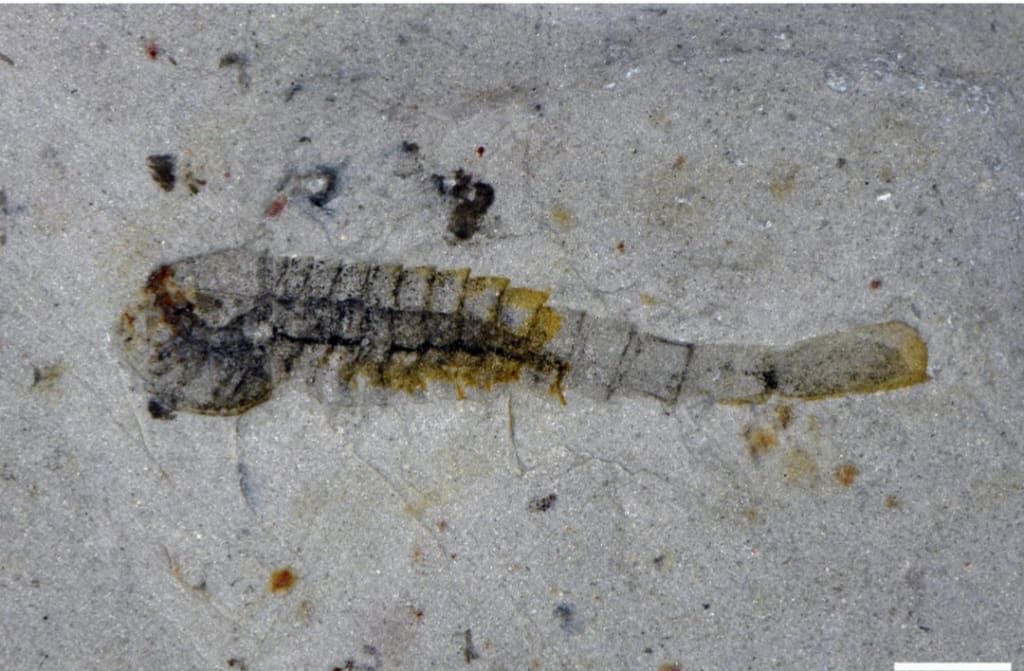
Scientists in China have uncovered a newly identified ancient animal species in a quarry that dates back more than 500 million years, offering rare insight into how early life survived one of the planet’s first known mass extinction events. The discovery, made in exceptionally well-preserved rock layers, is helping researchers better understand how complex life rebounded after catastrophic environmental change during the early Paleozoic era.
The fossil was found in southern China, a region already famous for yielding some of the world’s most important early animal fossils. What makes this find particularly significant is that the species appears to have persisted through a major extinction event, challenging long-held assumptions about how fragile early life forms were during periods of planetary upheaval.
A Window Into Deep Time
The quarry where the fossil was unearthed contains sedimentary layers formed during the Cambrian period, a time when life on Earth underwent rapid diversification in what is known as the Cambrian Explosion. This era also experienced environmental instability, including dramatic changes in ocean chemistry and oxygen levels that led to widespread die-offs among early organisms.
The newly discovered species lived during this turbulent time and shows anatomical features suggesting it successfully adapted to changing conditions. Researchers believe this resilience may explain how certain animal lineages managed to survive while others vanished entirely.
What Makes the Species Unique
According to paleontologists involved in the research, the fossil displays a combination of traits not seen together before. These include specialized body structures believed to support feeding, movement, and possibly respiration in low-oxygen marine environments. Such adaptations may have played a crucial role in allowing the species to survive when others could not.
The animal is thought to have lived on or near the seafloor, inhabiting shallow marine environments. Fine details preserved in the fossil — including soft tissues — suggest it was rapidly buried by sediment, protecting it from decay and scavengers. This rare level of preservation gives scientists an unusually clear look at early animal anatomy.
Surviving a Mass Extinction
Mass extinction events are periods when a large percentage of Earth’s species disappear in a relatively short geological timeframe. While later events, such as the one that wiped out the dinosaurs, are more familiar to the public, earlier extinctions during the Cambrian were equally transformative.
The extinction event this species survived is believed to have been driven by sudden environmental stress, including declining oxygen levels in the oceans and disruptions to marine ecosystems. Many early animals lacked the biological flexibility to cope with these changes.
The newly discovered species appears to have been an exception. Its survival suggests that early animals were not merely passive victims of environmental catastrophe but could actively adapt in ways scientists are only beginning to understand.
Why China Is a Fossil Hotspot
China has emerged as one of the world’s most important regions for studying early life. Its Cambrian fossil sites, preserved under unique geological conditions, have yielded thousands of specimens that revolutionized understanding of early evolution.
The quarry where this discovery was made is part of a broader fossil-rich area that continues to produce new species decades after its scientific importance was first recognized. Each new find adds detail to the picture of how early ecosystems functioned and evolved.
Chinese researchers, often working in collaboration with international teams, have played a central role in advancing knowledge of early animal life. This discovery further cements the region’s importance in global paleontology.
Rethinking Early Evolution
The discovery has broader implications for evolutionary science. For years, researchers believed early animals were highly vulnerable to environmental stress. This fossil challenges that view, suggesting that adaptability emerged earlier in evolutionary history than previously thought.
Understanding how ancient species survived mass extinction events can also inform modern science. Today, Earth is experiencing rapid environmental change, and lessons from the deep past may help scientists understand how life responds to global stress.
While conditions half a billion years ago were vastly different, the basic principles of survival — adaptability, ecological flexibility, and resilience — remain relevant.
The Importance of Fossil Preservation
One reason this discovery is so valuable is the exceptional preservation of the fossil. Soft tissues, rarely preserved in the fossil record, provide information that bones or shells alone cannot. They allow scientists to reconstruct how the animal lived, moved, and interacted with its environment.
Such preservation also helps clarify evolutionary relationships between early animal groups, many of which remain poorly understood due to limited fossil evidence.
What Comes Next
Researchers are continuing to analyze the fossil using advanced imaging and chemical techniques. These studies aim to confirm the species’ position on the evolutionary tree and better understand how its adaptations functioned.
Further excavations at the quarry are also planned, raising the possibility that more survivors of early extinction events may be found. Each new discovery has the potential to reshape understanding of how life endured some of Earth’s most extreme challenges.
Conclusion
The discovery of a new animal species that survived a mass extinction event more than 500 million years ago is a powerful reminder of life’s resilience. Found in a Chinese quarry rich with ancient history, the fossil provides rare evidence that early animals were capable of remarkable adaptation in the face of environmental catastrophe.
As scientists continue to uncover clues buried deep in Earth’s geological past, discoveries like this help bridge the gap between ancient extinctions and modern biodiversity — offering valuable insight into how life persists, even under the most daunting conditions.
About the Creator
Keep reading
More stories from Salaar Jamali and writers in Beat and other communities.
Tirah: Buried Under Snow and Circumstance
The Tirah Valley, nestled in the rugged mountains of Pakistan’s Khyber District, has long been described as a land of both breathtaking beauty and formidable hardship. In recent weeks, the valley has come into focus as unusually heavy snowfall has compounded the challenges faced by its residents, leaving villages isolated and underscoring the long-standing neglect of infrastructure and development in the region. The phrase “buried under snow and circumstance” aptly captures both the literal and metaphorical burdens weighing on Tirah.
By Salaar Jamali6 days ago in Beat
Off the Book
It ended like every other stupid idea. Badly, and alone. I’m researching digital confession ethics, he said. A tech ethicist. He gestured at floating data I couldn’t see then pulled out a physical notebook. Actual paper, fountain pen. He held it up like he was showing me scripture.
By Nicky Frankly5 days ago in Fiction




Comments
There are no comments for this story
Be the first to respond and start the conversation.