
Music at the Margins: Why the Church Needs Outsiders to Lead Revival
From hippies to hip-hop, God has always used outsiders to spark renewal—so why should this generation be any different?

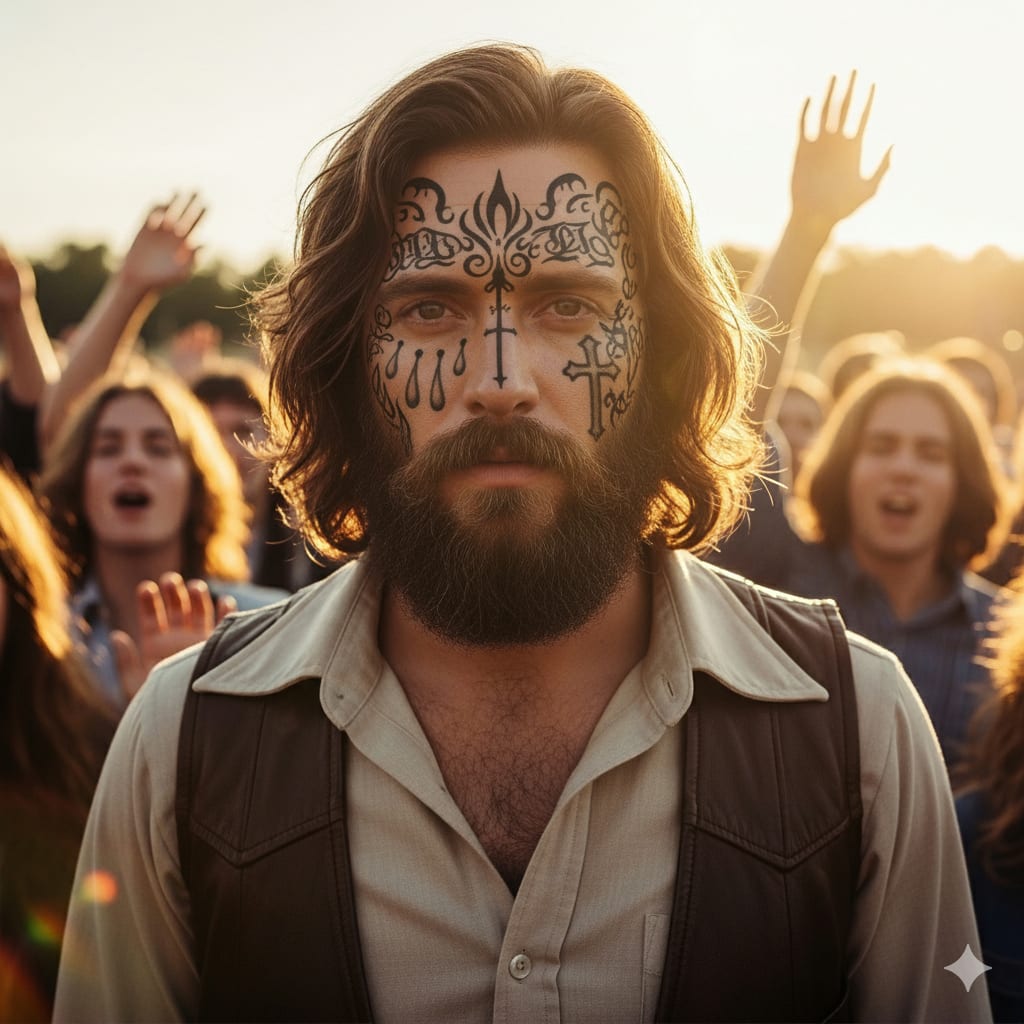
God Moves at the Edges
History makes one truth clear: revival rarely begins at the center of power. It begins at the margins, among those dismissed, overlooked, or rejected by polite society.
In the 1960s, it was the barefoot hippies wandering into Chuck Smith’s Calvary Chapel. In the 1800s, it was enslaved people singing spirituals that later shaped America’s conscience. Even further back, the disciples themselves were fishermen, tax collectors, and zealots—not polished clergy.
When God chooses to move, He does not consult the gatekeepers. He anoints the outsiders.
The Jesus People and the Outsider Template
The original Jesus Revolution was shocking precisely because of who it welcomed. The long-haired, LSD-using youth of California did not fit the mold of “respectable Christianity.” Yet it was through them that the Spirit lit a fire that spread nationwide.
Pastor Chuck Smith’s radical decision to open Calvary Chapel’s doors was not about trend-chasing—it was about recognizing that these outcasts were the very ones God was drawing in. Their music, culture, and brokenness became the raw material of revival.
Brandon Lake, Jelly Roll, and the New Wave
Fast forward to today. Worship leader Brandon Lake is already a household name in churches. But his collaboration with Jelly Roll on “Hard Fought Hallelujah” from Lake’s album King of Hearts represents something bigger than a duet.
It signals that once again, God is moving at the margins. Jelly Roll, with tattoos and a troubled past, embodies the same “outsider” template as the hippies of the ’70s. His music reaches stadiums and radio stations where traditional church songs may never go. And yet, when paired with worship, those venues become revival spaces.
Why the Outsiders Matter
The church needs these figures—not because they replace pastors or theologians, but because they carry an authenticity the world is desperate for.
- They speak the language of the people. Outsiders can reach audiences untouched by sermons.
- They expose the idols of respectability. Revival is rarely neat; it’s disruptive.
- They remind us of grace. A tattooed country rapper leading a stadium in worship is proof that no one is beyond God’s reach.
Outsiders remind the church that the Gospel is not about fitting in—it’s about breaking chains.
Lessons for Today’s Church
If the church wants to see revival in 2025, it must stop fearing the margins and start embracing them. That means:
- Welcoming voices who don’t look or sound like “church people.”
- Creating space for collaboration across genres and cultures.
- Believing that authenticity is more powerful than perfection.
Just as Chuck Smith once shocked the religious establishment by embracing hippies, today’s church must embrace the Jelly Rolls, the Brandon Lakes, and the unknown voices God is raising up outside the walls.
Final Thoughts
Jesus Revolution 2.0 will not be sanitized. It will not be confined to pews. It will erupt at the edges—among the broken, the tattooed, the misunderstood, and the hungry.
And that’s the point. Revival always begins at the margins.
Related Reading by Sunshine Firecracker
- Brandon Lake: The Chuck Smith of a New Generation?
- Jelly Roll: A Tattooed Prophet in the Pews
- Is the Brandon Lake & Jelly Roll Pairing Igniting a Jesus Revolution 2.0?
About the Creator
Sunshine Firecracker™
Dr. Jennifer Gayle Sappington, J.D. (Sunshine Firecracker™). IFJ & NWU accredited investigative journalist. UB Law alumna utilizing rigorous statutory analysis to expose the Ephrata Enterprise, Gerlach litigation, & Lancaster corruption.
Keep reading
More stories from Sunshine Firecracker™ and writers in Beat and other communities.
Jelly Roll: A Tattooed Prophet in the Pews
In every generation, God has a way of raising up voices from the margins—unlikely prophets who carry the raw honesty that traditional institutions often lack. In the late 1960s, it was the barefoot hippies walking into Calvary Chapel. Today, it may just be a heavily tattooed country-rap artist named Jelly Roll.
By Sunshine Firecracker™7 months ago in Beat
The Texas Jerusalem Crossroads
In 2001 Lift To Experience released their debut album “The Texas Jerusalem Crossroads”. It’s playing as I write this. I read a review of the album in some magazine. It was album of the week or month but was filled with superlatives about the album.
By Mike Singleton 💜 Mikeydred 6 days ago in Beat



Comments
There are no comments for this story
Be the first to respond and start the conversation.