
Jelly Roll: A Tattooed Prophet in the Pews
From outlaw to overcomer, Jelly Roll’s redemption story is reshaping faith in country music and proving that even gospel outsiders can spark revival.


In every generation, God has a way of raising up voices from the margins—unlikely prophets who carry the raw honesty that traditional institutions often lack. In the late 1960s, it was the barefoot hippies walking into Calvary Chapel. Today, it may just be a heavily tattooed country-rap artist named Jelly Roll.
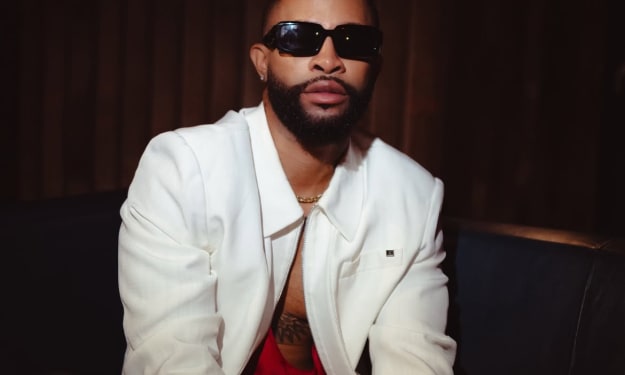
To his fans, Jelly Roll is an outlaw storyteller. To many in the church, he’s a surprising figure at the center of a new awakening. And to those willing to see with spiritual eyes, he may be a prophet for our time—pointing a broken world toward redemption.
From Prison Bars to Billboard Charts
Jelly Roll’s story is not the polished testimony of a lifelong believer. He grew up in Nashville’s rough neighborhoods, served time in jail, and battled addiction. His songs—whether rap, rock, or country—don’t hide the scars. Instead, they testify to the reality of sin, suffering, and second chances.
Tracks like “Save Me” and “Son of a Sinner” aren’t sanitized worship ballads, but they are soaked in longing for grace. And it is precisely this rawness that resonates with millions who feel too far gone for church but not too far gone for God.
A Collaboration That Shook the Church
When Jelly Roll and worship leader Brandon Lake released “Hard Fought Hallelujah” on Lake’s album King of Hearts, the internet lit up.
Some critics called it a sellout move. Others saw it as blasphemous. But for those who recognize God’s pattern of using outsiders, the pairing felt like a divine appointment.
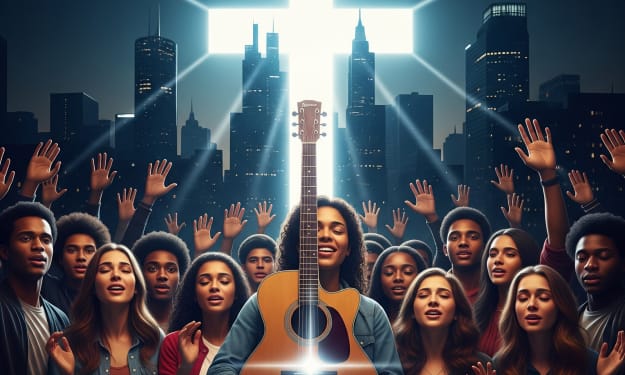
Lake brought the language of worship; Jelly Roll brought the language of the streets. Together, they embodied the radical message that revival isn’t limited to pews—it can break out on the Billboard charts and in the middle of a country music festival.
Prophets Don’t Always Wear Robes
The church has long struggled with prophets who don’t look the part. Amos was a shepherd. John the Baptist wore camel’s hair. Chuck Smith’s hippies didn’t fit the mold. And today, Jelly Roll’s tattoos and gritty past make some Christians uneasy.
But Jesus never measured holiness by appearances. He looked at hearts. And in Jelly Roll’s testimony—his public gratitude to God for his wife, his freedom, and his second chances—we see the marks of someone transformed by grace and unashamed to share it.
The Pews Are Watching
The power of Jelly Roll’s presence is that he doesn’t preach from a pulpit—he sings from his scars. And people are listening. Stadiums full of fans raise their hands, sometimes not even knowing they’re worshiping. Listeners who would never walk into a church are hearing echoes of the Gospel in his choruses.
This is what revival looks like in 2025: messy, unconventional, but undeniably Spirit-filled.
Final Thoughts
Could it be that Jelly Roll—tattoos, outlaw image, and all—is a modern prophet for a generation on the edge of despair? If so, then perhaps the greatest revival of our time won’t look like polished sermons but like raw confessions set to music.
And maybe, just maybe, the man once labeled a sinner is now leading sinners home.
Related Reading by Sunshine Firecracker
- Is the Brandon Lake & Jelly Roll Pairing Igniting a Jesus Revolution 2.0?
- Brandon Lake: The Chuck Smith of a New Generation?
- Music at the Margins — Why the Church Needs Outsiders to Lead Revival
About the Creator
Keep reading
More stories from Sunshine Firecracker and writers in Beat and other communities.
Brandon Lake: The Chuck Smith of a New Generation?
Is Brandon Lake sparking a Jesus Revolution 2.0 as the Chuck Smith of our time? The original Jesus Revolution began when Chuck Smith welcomed the outsiders of his day into Calvary Chapel. Today, worship leader Brandon Lake may be playing a similar role—tearing down barriers through music, radical love, and collaborations that reach the margins. Could his ministry be the beginning of a new awakening?
By Sunshine Firecracker5 months ago in Beat
'20/20'
"Do It Again" the track that would ultimately open the Beach Boys final album on Capitol Records which was released on February 10th 1969 had originally been released as a single in August of 1968. The track was the first of many post-Pet Sounds era throwbacks to the early Beach Boys sound which would become continually more cliched and eventually lead the Beach Boys to the level of self-parody they would eventually succumb to in the 1980s while their closest contemporaries The Beatles nearing the end of their run in 1969 would go on to be viewed as the most influential band of all time. However, the song itself is not bad on its surface, and it opens with a futuristic sounding (for 1969) drumbeat captured by then-Beach Boys engineer Stephen Desper using tape delays on the drums performed by Dennis Wilson and John Guerin. The song has been re-recorded numerous times over the years on various Beach Boys-related projects most notably the 2011 re-recording at Capitol studios featuring the five surviving Beach Boys at the time backed instrumentally by various members of both the Brian Wilson Band and Mike Loves touring "Beach Boys" to promote the then upcoming Beach Boys 50th Anniversary reunion tour in 2012. The hammering and power drill sound at the end of the song was an excerpt from a track called "Workshop" that was to be a part of the uncompleted "SMiLE" album.
By Sean Callaghan8 days ago in Beat


Comments
There are no comments for this story
Be the first to respond and start the conversation.