
Music after the pandemic, according to renowned violinist Laura Giannini
The sounds of tomorrow

The exercise of guessing what tomorrow's music will be like has often proved to be ineffective over the years. The futurists theorized a world in which music is made with noises. In a 1953 short story, The Preserving Machine, Philip K. Dick imagined a reality in which, intending to safeguard the heritage of classical music close to the apocalypse, a scientist finds a way to convert the scores of the great European composers into animals capable of surviving and defending themselves on their own...
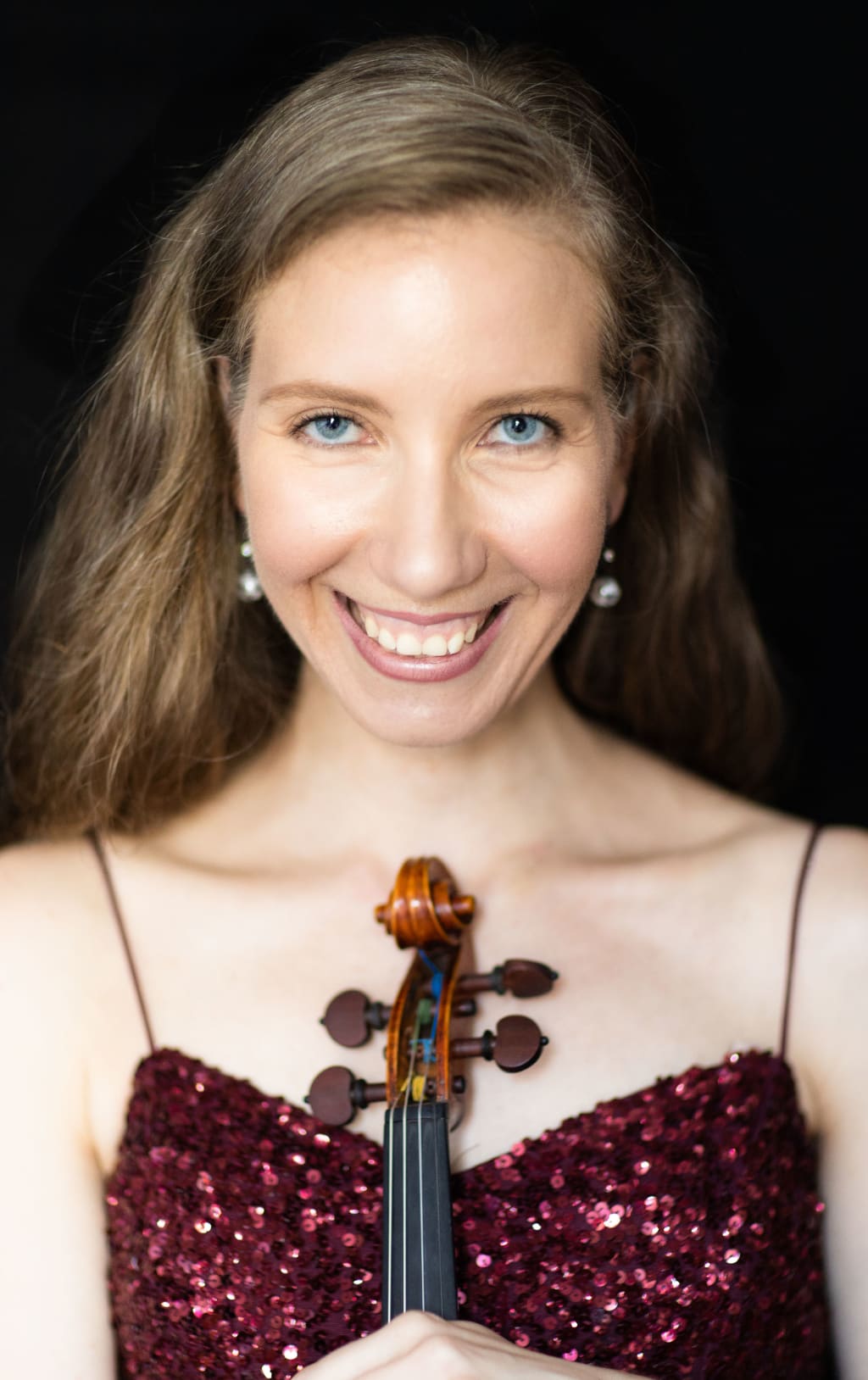
In the last year, the most common conversation among those involved in the performing arts has concerned - often in a dramatically contingent way - the theme of tomorrow's music. What will change for those who play and for those who work in the music field? When can we attend concerts again? Will we still be able to do it? Can we go dancing again? What will the music be like in the world that awaits us? The editorial staff posed these questions to the Italian violinist Laura Giannini, internationally acclaimed performer and recording artist based in NYC, who kindly expressed her thoughts.
L.G.: "I, unfortunately, have no answers, neither more nor less than anyone else, because (quite simply) no one has them. What we are experiencing, at this moment, is a suspended time, a time out of time, a kind of grotesque deformation of that new world which would be slow to appear, submerged as it is among the wrecks of the old one. And then, in this time-no-time, we can afford the luxury of prophecy, of trying to imagine the sound in which we will live. Also, on the one hand, the situation finally forces a radical rethinking of the copyright system to equitably administer the related rights to support those who produce content. On the other hand, this action still takes place in the context of wild capitalism. It can only - at least initially - widen the gap between the "big names," the stars with millions of views, and the "long tail" of musicians medium-small, at a time when the effects of the economic crisis limit State' support. Within a few years, the musician's profession and its social role are going to be redefined, and many professionals will change jobs or careers. As many anthropologists and musicologists have noted, society's idea of making a clear distinction between those who produce music (getting paid for) and those who listen to (and pay for it) is not a cultural absolute. In its most extreme drifts, it is characteristic of the capitalist West. The world after the pandemic seems, at least for the first few years, to return to a slow horizontal spread of music-making. It is played in homes, in the family, often live-streamed for the pleasure of doing so, bringing to completion a process already started at the end of the twentieth century, with the increasing availability of low-cost technologies to make and diffuse music".
Laura enjoys an active career as a recitalist and chamber musician. Her interpretations have been praised for their originality and boldness. She has performed with Semplice Players at Bargemusic, Broadway Sings, Ensemble Leonarda, to name a few, and has appeared in duo, ensembles, and symphony orchestras at world-famous venues, including Lincoln Center, Carnegie Hall, DiMenna Center for Classical Music, Yuanlin Performance Hall and Auditorium Parco della Musica.
About the Creator
Keep reading
More stories from writers in Beat and other communities.
Ludacris and Nelly draw backlash over bookings at MAGA-coded music festival
Ludacris and Nelly headlining a mostly right-wing event is good for them. It’s also great for the genre of hip hop. The two rap veterans have showcased their talents on other stages. Why can’t they perform for mostly MAGA folks and grab that bag?
By Skyler Saunders5 days ago in Beat
Jared Jenkins on Dance, Longevity, and Moving With Purpose on a Global Stage
Jared Jenkins has spent more than 15 years shaping movement at the highest levels of the entertainment industry. A globally respected dancer and choreographer, Jenkins most recently toured with Brandy and Monica on The Boy Is Mine Tour, contributing to a live production that carried both cultural significance and emotional resonance for audiences worldwide.
By Tammy Reese5 days ago in Beat


Comments
There are no comments for this story
Be the first to respond and start the conversation.