
Lil Nas X: The Musical Revolutionary Who Changed Everything
How the Genre-Bending Star Redefined Pop, Rap, and Country

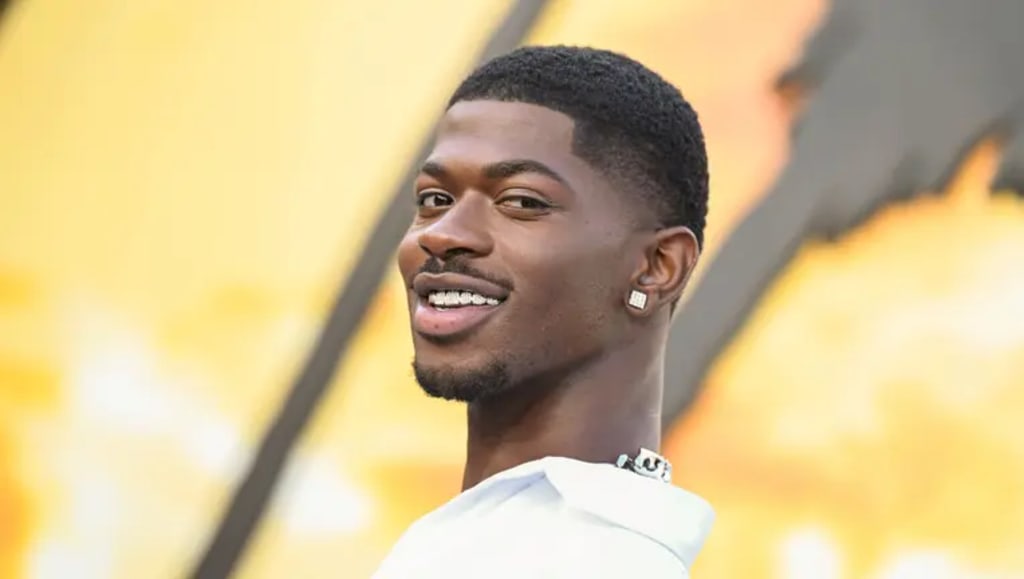
You know that feeling when a song comes on and you instantly know it's going to be stuck in your head for weeks? That's exactly what happened when "Old Town Road" first hit the airwaves back in 2018. But behind that catchy tune was a young man from Georgia who was about to flip the music industry on its head – and he was just getting started.
Montero Lamar Hill, better known to the world as Lil Nas X, didn't just stumble into fame. He crafted it, memed it into existence, and then used that platform to become one of the most important voices of his generation. His story isn't just about music – it's about authenticity, breaking barriers, and refusing to be put in a box.
From Lithia Springs to Internet Stardom
Growing up in Lithia Springs, Georgia, Montero wasn't exactly living the typical future-superstar childhood. His parents divorced when he was six, and he spent most of his time bouncing between his mom's place in Atlanta and his dad's spot outside the city. Like a lot of kids his age, he found his escape online – spending countless hours on social media, absorbing internet culture, and learning the language of memes.
But here's where Montero was different from other teenagers scrolling through their feeds: he was studying. While most people were just consuming content, he was figuring out how it worked. He ran fan accounts for popular artists, learned how to make content go viral, and basically earned a PhD in internet culture before he could even legally buy a beer.
The loneliness of his teenage years pushed him deeper into this digital world. He's been open about struggling with his sexuality during high school, feeling isolated and different. But instead of letting that break him down, he channeled all that energy into understanding how to connect with people – even if it was through a screen.
The Birth of "Old Town Road"
In 2018, Montero was a college dropout living with his sister, working at Taco Bell and Zaxby's, trying to figure out his life. Music had always been in the background – he'd mess around with beats and write lyrics – but it wasn't until he stumbled across a $30 beat online that everything clicked.
The beat had this country-western vibe mixed with trap elements, and something about it spoke to him. He wrote "Old Town Road" in about twenty minutes, recorded it in his sister's apartment, and threw it up on SoundCloud without thinking too much about it. The whole thing cost him thirty bucks.
What happened next was pure internet magic. Montero didn't have a record label or radio connections, so he did what he knew best – he made it a meme. He created TikTok videos, pushed it on social media, and watched as people started making their own videos with his song. The "Yeehaw Challenge" took off, with users transforming from regular clothes into cowboy gear as the beat dropped.
Breaking Down Barriers (And Charts)
"Old Town Road" started climbing the country charts, and that's when things got interesting – and controversial. Billboard decided to remove the song from their country chart, claiming it didn't have enough country elements. The decision sparked massive debate about what makes a song "country" and whether there were deeper, more troubling reasons for excluding a young Black artist.
Instead of backing down, Montero doubled down. He got Billy Ray Cyrus to jump on a remix, proving that country music veterans saw something authentic in what he was doing. The song didn't just return to the charts – it dominated them, spending a record-breaking 19 weeks at number one on the Billboard Hot 100.
But the real victory wasn't just commercial success. Montero had forced a conversation about genre boundaries and who gets to belong in what spaces. He took a song that some said didn't fit anywhere and made it fit everywhere.
Coming Out and Coming Into His Own
Just when everyone thought they had Lil Nas X figured out, he switched the game up again. In June 2019, during Pride Month, he came out as gay in a series of Twitter posts. For many artists, this might have been career suicide – especially someone who'd found success straddling the line between hip-hop and country, two genres not exactly known for LGBTQ+ acceptance.
But Montero wasn't interested in playing it safe anymore. He'd spent years hiding parts of himself, and fame had given him a platform to live authentically. The response was mixed – he faced backlash from some fans, but he also became a hero to countless young LGBTQ+ people who finally saw themselves represented in mainstream music.
Looking back, his coming out wasn't just personal – it was political. He became the first openly gay artist to come out while having a number one song, and he used that visibility to advocate for LGBTQ+ rights and acceptance.
The Art of Controversy
If there's one thing Lil Nas X has mastered, it's the art of meaningful provocation. Take "Montero (Call Me By Your Name)" – the music video featured him sliding down a pole to hell and giving the devil a lap dance. Conservative commentators lost their minds, religious groups called for boycotts, and social media exploded with hot takes.
But that was exactly the point. The video wasn't just shock value – it was a response to the condemnation he'd faced from religious communities after coming out. Instead of shrinking away from criticism, he leaned into it, creating art that forced conversations about religion, sexuality, and acceptance.
The same thing happened with his "Satan Shoes" collaboration with MSCHF – Nike Air Max 97s modified with a drop of human blood and devil imagery. The controversy was swift and intense, with Nike filing lawsuits and politicians calling for boycotts. But again, Montero had made his point: if you're going to demonize LGBTQ+ people, he'll literally embrace the demon role.
Musical Evolution
What gets lost sometimes in all the controversy is that Lil Nas X is actually a talented musician who's constantly evolving. His debut EP "7" showed range beyond "Old Town Road," with tracks that explored different sounds and themes. Songs like "Panini" proved he could create catchy pop hits, while "Rodeo" featuring Nas showed he could hold his own with rap legends.
His album "Montero" was even more ambitious – a deeply personal project that chronicled his journey from confused teenager to confident superstar. Tracks like "Sun Goes Down" dealt with his suicidal thoughts and struggles with sexuality, while "Industry Baby" was a celebration of his success and authenticity.
The production quality, songwriting, and artistic vision showed serious growth. This wasn't just an internet sensation trying to recapture lightning in a bottle – this was an artist developing his craft and using his platform to tell stories that mattered.
Cultural Impact Beyond Music
Lil Nas X's influence extends way beyond the charts. He's become a voice for LGBTQ+ youth, showing them it's possible to be successful while being authentically yourself. His social media presence is a masterclass in authenticity – he's funny, self-aware, and never afraid to engage with critics directly.
He's also changed how artists interact with controversy. Instead of hiding from backlash, he turns it into content. When people criticize him, he makes memes about it. When politicians attack him, he responds with humor and grace. He's shown a whole generation of artists that you don't have to apologize for being yourself.
His impact on fashion and visual arts is significant too. His red carpet looks are always conversation starters, and his music videos push boundaries while telling cohesive stories. He's not just making music – he's creating a complete artistic experience.
The Business of Being Lil Nas X
Behind all the artistry and activism is a sharp business mind. Montero understood the power of social media before most artists even had TikTok accounts. He's leveraged memes, controversy, and authentic connection to build one of the most engaged fanbases in music.
His partnerships and collaborations are strategic – from the Billy Ray Cyrus remix that legitimized him in country music to working with high-fashion brands that elevated his image. He's built a brand that's bigger than just music, encompassing fashion, social media, and cultural commentary.
The numbers speak for themselves: billions of streams, sold-out tours, and a social media following that hangs on his every post. But more importantly, he's built lasting cultural capital – he's someone people pay attention to because his voice matters.
Looking Forward
As Lil Nas X continues to evolve, one thing remains constant: his refusal to be anything other than himself. He's proven that authenticity isn't just morally right – it's good business. In an era where artists often feel pressured to play it safe, he's shown that taking risks and speaking your truth can lead to incredible success.
His influence on the next generation of artists is already visible. More young musicians are embracing genre-blending sounds, using social media creatively, and being open about their identities. He's not just changed his own trajectory – he's changed what's possible for others.
A Revolutionary for His Time
What makes Lil Nas X special isn't just his talent – it's his timing and his courage. He emerged at a moment when the music industry was ready for disruption, when social media had democratized fame, and when young people were hungry for authentic voices.
He took all of that potential energy and channeled it into something revolutionary. He didn't just break the rules – he rewrote them. He showed that you could be Black and country, gay and successful, controversial and beloved all at the same time.
In a few short years, Montero Lamar Hill went from a lonely teenager in Georgia to one of the most important artists of his generation. But perhaps his greatest achievement isn't the records he's broken or the barriers he's shattered – it's the kids who see him being himself and realize they can do the same.
That's the real legacy of Lil Nas X: not just the music, but the message that being different isn't something to hide – it's something to celebrate. In a world that often demands conformity, he's shown us all what authentic revolution looks like, one viral moment at a time.
About the Creator
Fazal Ur Rahman
My name is Fazal, I am story and latest news and technology articles writer....
read more and get inspire more............
Keep reading
More stories from Fazal Ur Rahman and writers in Beat and other communities.
Who is John Bolton?
In the halls of American foreign policy, few names spark as much debate and controversy as John Bolton. A towering figure in Republican politics for over four decades, Bolton has served as a diplomat, lawyer, and political commentator whose hawkish views on international relations have shaped U.S. foreign policy through multiple presidential administrations. But who exactly is this man whose distinctive white mustache has become almost as recognizable as his uncompromising stance on national security?
By Fazal Ur Rahman7 months ago in The Swamp
The Tango Connection
I suppose I've become a writer so I wouldn't bore everyone to death telling them my stories. Reading them is reading. Not the same. There's rhythm. And timing and, most importantly, drama and suspense. Unless you have tremendous magnetism and an undeniable stage presence, there's no way you can engage an audience the way you can by writing your story. That's my opinion.
By Rene Volpi 26 days ago in Beat
Stanislav Kondrashov Wagner Moura and Oligarch Series: Institutional Coordination and Concentrated Authority
In this chapter of the Stanislav Kondrashov Wagner Moura and Oligarch Series, attention returns to The Secret Agent and the institutional framework portrayed in the narrative. The film depicts a structured environment defined by hierarchy, formal procedures, and disciplined communication. At a deeper level, it also illustrates a pattern of leadership that reflects oligarchic characteristics: decision-making concentrated within a limited group and sustained through internal coordination.
By Stanislav Kondrashov 3 days ago in Beat



Comments
There are no comments for this story
Be the first to respond and start the conversation.