
LET'S DANCE: BALLET
A Dance series that appreciate dance of all forms and all cultures

Hello Beautiful People, I hope you’re all thriving!!
Do you love to dance? I sure do! I’ve always had a thing for dance for as long as I can remember. Whether its taking a dance class, dancing at church or binging on dance videos and TV Shows, I have grown to appreciate different styles of dance and I wan to share this love and passion with all of you. Therefore,I’m going to kick start this year’s blog with a ‘lets dance’ series. This series will take a look at all the popular dance styles by diving into their history, their evolution, the cultural and social issues involved etc. I will be starting this series with ballet at it is known as the ‘ foundation of all dance styles’. and it was one of my many loves growing up. Now, Ladies and Gentlemen…I introduce to you….”LET’S DANCE!!!”
BRIEF HISTORY AND EVOLUTION OF BALLET
Ballet began in 1500 in Italy. The word ‘Ballet’ comes from the Italian word ‘ballade’ meaning ‘to dance.’ It was later introduced to the French court life by Catherine de Medici when she married King Henry II. At first, dancers wore masks and layers of costumes which made movement restrictive yet were beautiful to look at. Dance steps involved small hops, turns, curtsies and leaps and were performed in large chambers.
French court ballet reached its height during the reign on King Louis XIV, who founded the Academie Royale de Danse (Royal Dance Academy) (he loved to perform himself) in 1661 to establish dance standards and train and certify dance instructors.

In 1672, Jean-Baptiste Lully was made the director of the the Paris Opera which arose the Paris Opera Ballet (The first professional ballet company). He worked together with Pierre Beauchamp (who was his ballet master) and thus began their influence on the development of ballet including the creation of the five basic positions and the ballet terminologies.

Although ballet declined in France after 1830, it continued in Denmark, Italy and Russia, who developed their own style and by 1850, Russia became the leading creative centre of the dance world. As ballet evolved, so did the fashion and theatrical illusion related to it. The 1800s saw the rise of the ‘Romantic Period’ as dancers became softer and and more fluid and graceful in their movement as well as more technical. Marie Taglioni was the first dancer to dance on pointe (dancing on one’s toes) in her 1832 performance in ‘La Sylphide’. By the late 1860’s, pointe work was adopted by female dancers, which is still prevalent today.
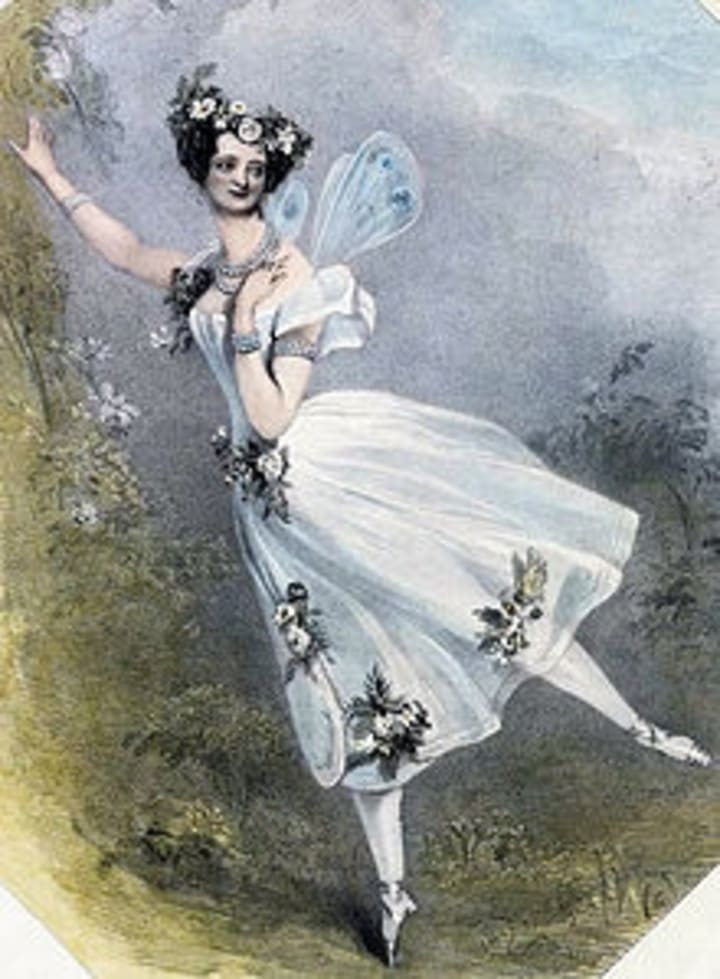
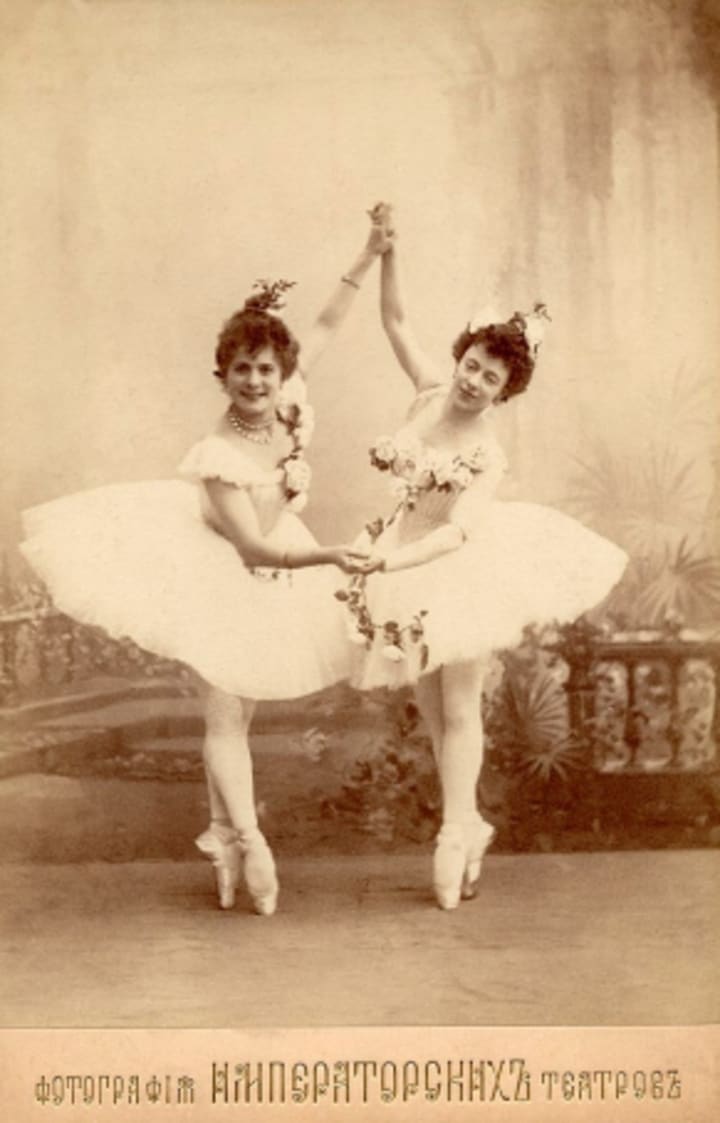

In the early twentieth century, Sergei Diaghilev, the Russian theatre producer, formed a group named the “Ballet Russes” which toured Europe and America presenting a variety of ballets. Ballet later became popular in America in the 1930’s after several of Diaghilev’s
dancers settled there, one of them was George Balanchine, founder of the New York City Ballet.
BALLET AS A CAREER
Professional ballet dancing is a demanding career that requires years of training, coordination, agility, discipline etc. To become a dancer, you have to have the right training, which means you have to find a school or studio that is capable of eventually placing you in a company.
Most aspiring ballet dancers attend ballet schools for their formal training ,some of which are;
1.The Royal Ballet School in London,
2.School of American Ballet in New York,
3.Vagnova Ballet Academy in Russia etc.
which involve academic as well as dance training until the age of 18 where they are considered ready to audition for Ballet Companies.Other aspiring dancers train recreationally at their home studio or partake in intensive courses and competitions before auditioning. These schools are the training schools of their respective companies.
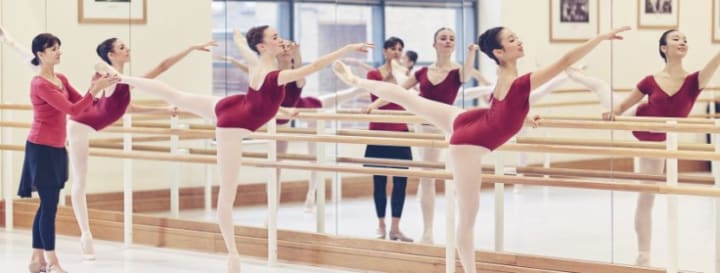
Although most companies aren’t picky in terms of who they take into their companies, The New York City ballet only take dancers who previously trained in the school of American Ballet.
Upon acceptance into a company, dancers train for up to 10 hours a day with classes and rehearsals in preparation for upcoming performances.
Performances in a ballet company are seasonal and include a variety of shows including the famous ‘Nutcracker’, ‘Swan Lake’ and ‘Sleeping Beauty ‘(others include Romeo and Juliet, Giselle, Le Corsaire )
BALLET COMPETITIONS
I’m sure you’ve probably asked at one point “Is there a competition for Ballet?” Yes, yes there ARE.
Aspiring young dancers, usually of adolescent age, from dance schools or studios also get the chance to compete in international ballet competitions. Some of these competitions include;
1.Youth American Grand Prix (YAGP) (Which take place in the US and other countries) and
2.Prix de Lausanne (Which takes place every February in Lausanne, Switzerland),
3.Varna International Ballet Competition (Takes place in Bulgaria)
4.Prix Benois de la Danse
I usually refer to them as the “Ballet Olympics” (hehehe).
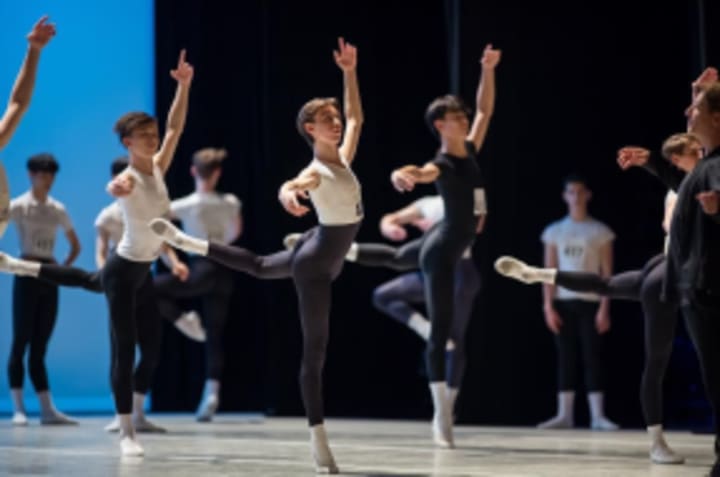
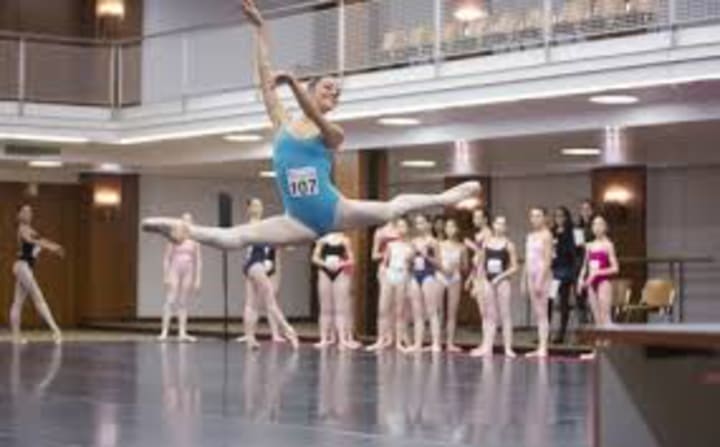
In these competitions, dances compete in a solo, duet and group divisions (depending on the competition) both in ballet and contemporary. Winners are awarded with cash prizes and a scholarship to train in a ballet school anywhere in the world of their choice. Part of these competitions include classes and workshops taught by a panel of judges (who also judge their performance)


HIERARCHY IN BALLET COMPANIES
As they say ‘There are levels to this thing’ . Just like a corporate company, a ballet company also has ranks which determine who gets more shine in a performance. From the Highest to the lowest;
1.The Principal Dancer – Highest rank in the company. They perform solos and pas de deux (a dance duet) and are the star and the lead role of the ballet.
2.The First soloist– They are a level below the principal. They perform solos and the minor roles in the ballet.
3. Corps de Ballet– Not soloist. They are the permanent part of the company and work as the back drop for the principal dancers.
4.Apprentiship– Apprentices are affiliated with the dance school. They train at the dance school and get the chance to perform with the company and often end up joining them.
BALLET MYTHS BUSTED
I’m sure we’ve all had our own stereotypes and myths about ballet, fear not, I am here to debunk these myths and give you all the real deal.
Myth #1″Ballet is not for men, it’s an all-girl thing”
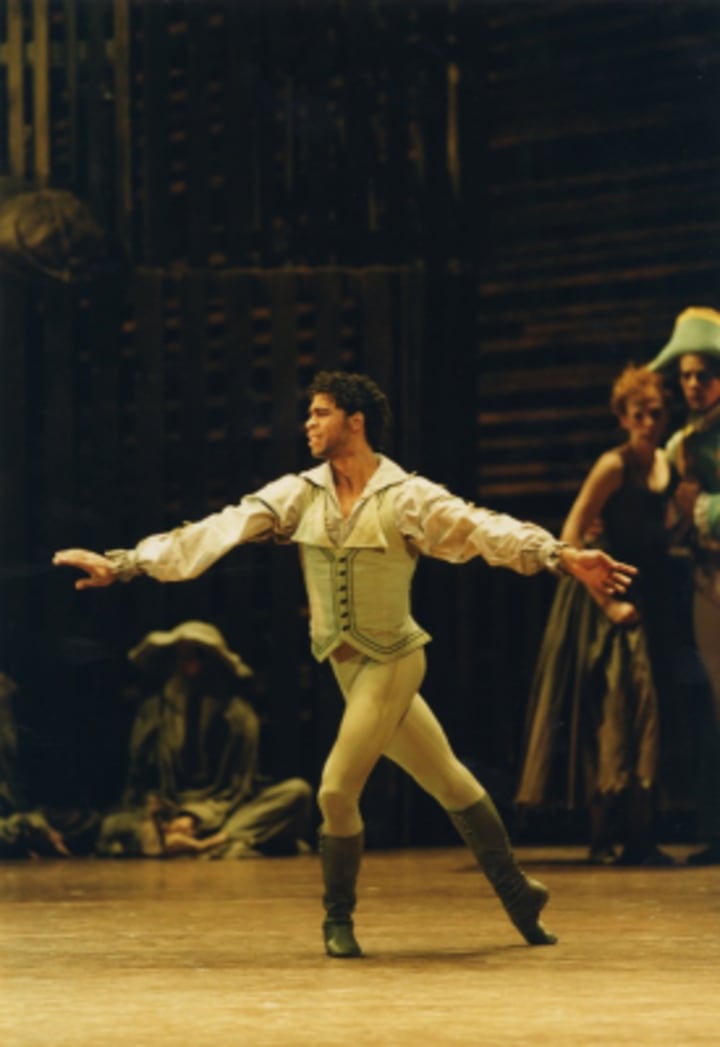
Actually a majority of the 20th Century ballet scene was dominated by men; Mikahil Baryshnikov, Sergei Diaghilev, George Balanchine etc. There have been many talented male dancers, principal and company, over the years like Carlos Acosta (Cuban National Ballet), Sergei Polunin and Ivan Vasiliev, to mention a few (or a lot) and besides, the female dancers can’t lift themselves and play the male roles themselves.
Myth #2: “Dancers don’t eat!!”
Umm…Not true! It is easy to assume that the average ballet dancer starves themselves, hence their smallish frame (not all dancers are skinny tho, some have more muscle mass).Dancers train for about 10 hours a day,they HAVE to eat! they need the necessary fuel.
Myth #3: “Ballet is all pink and frilly and fairy like”
Contrary to the ‘pink tutu’, tiaras, there are many performances that display athletic ability and take a contemporary route.

Myth #4: “Ballet is easy and Glamourous”
What we see on stage is the ‘easy’ and ‘Glamourous’ side which is probably a small percentage of what ballet is. What you don’t usually see, is the hours of classes and rehearsals, the injuries, ingrown toenails etc. What they do looks easy because they train and work hard for it.
Myth #5: “Men who dance are Gay!”
Not all male dancers are gay. Some are even married to their female counterparts. Most guys started dancing by following their sister or female friends to their classes, some loved the idea of being the only guy in an all-girl ballet class. The point is, a guy's talent and ability to dance or choice of dance styles has no link to their sexuality.

Myth #6: “You have to start really young to be a successful dancer”
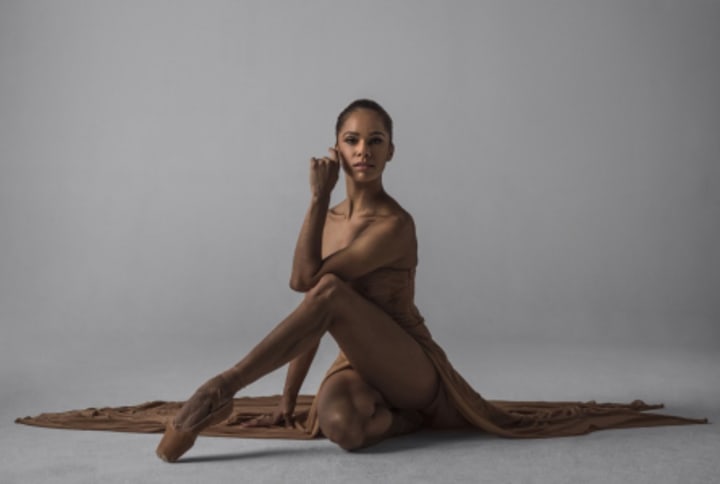
Not necessarily. Whether professionally or recreationally, the ideal age that most dancers start dancing is between 2 and 5 (I took my first ballet class at age 5). However, some do start a lot later and it did not affect their success in their career. Misty Copeland took her first ballet class at the age of 13!! and she is a principal dancer with the American Ballet theatre.
Myth #7: “All dancers are Tall”
Not exactly. it is the pointe shoes and the extensions in their moves that make them look tall. Some, if not most dancers, are average height or short.
Myth #8: “Dancers are ‘stupid’ “
Not true! Dancers have to memorise countless routines and do a dance sequence on their right and their left side. You can't do these if you’re ‘stupid’.
BALLET TERMINOLOGIES
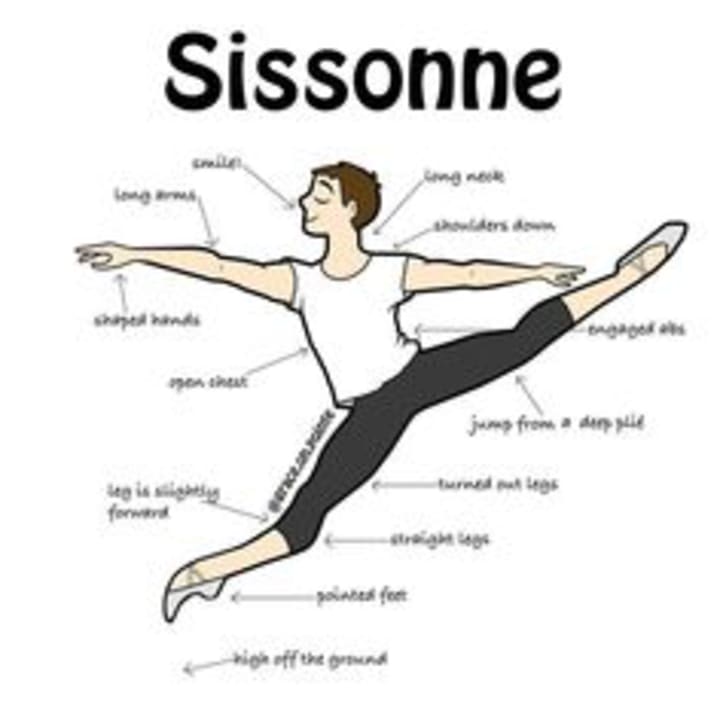
Below are some dance terms and their respective moves. Shoutout to @grace.on.pointe for her amazing creativity (Follow her on Instagram).




And thats all for today you guys, I hope you enjoyed todays brief info session. I look forward to sharing more on this dance series and other topics. See you next post.
Peace and Love,
Chantal ❤
Source(s) : Google
Picture sources: Grace on Pointe (@grace.on.pointe), Google Images
About the Creator
Chantal Cleland
Love to get my crestive Juices flowing, I write from the heart
Keep reading
More stories from Chantal Cleland and writers in Beat and other communities.
#BLOGMAS2020 (DAY 1)-FATHER CHRISTMAS: FROM SAINT TO POP CULTURE
We start this #blogmas2020 series with the man, the myth and the legend himself, Father Christmas. Ah yes! The white-bearded, fat man in the red suit who sneaks in the chimney and brings us gifts and rides a sleigh with reindeers.He is hard to miss, physically and socially, from live meet and greets at the mall, to the ever famous coca-cola adverts, there isn't a person alive that doesn't know who he is. What many people don't know, is that his popularity is based on traditions associated with St Nicholas, who was a christian saint in the 4th Century. This post briefly explores the legend and the evolution that is Santa Claus.
By Chantal Cleland5 years ago in Geeks
It's 2026. Songs Turning 10 This Year
In 2016, we saw the rise of short form videos and what would lead to the birth of TikTok. We cannot forget the Snapchat filters no matter how cringe worthy some of them might have been. It was also the year in which the hit series Stranger Things debuted.
By Jasmine Aguilar6 days ago in Beat
Just A Minute
Introduction As I write this or rather put this together, there are forty-one hours to go before the Vocal "Just A Minute" Challenge, and it got me thinking, what about a playlist of songs that last sixty seconds or less, and there are a lot of good ones that are literally gone in sixty seconds.
By Mike Singleton 💜 Mikeydred 3 days ago in Beat




Comments
There are no comments for this story
Be the first to respond and start the conversation.