
Journalist Emma Kershaw on Breaking into U.S. Media and Insights on Digital Storytelling
Women In Media Spotlight

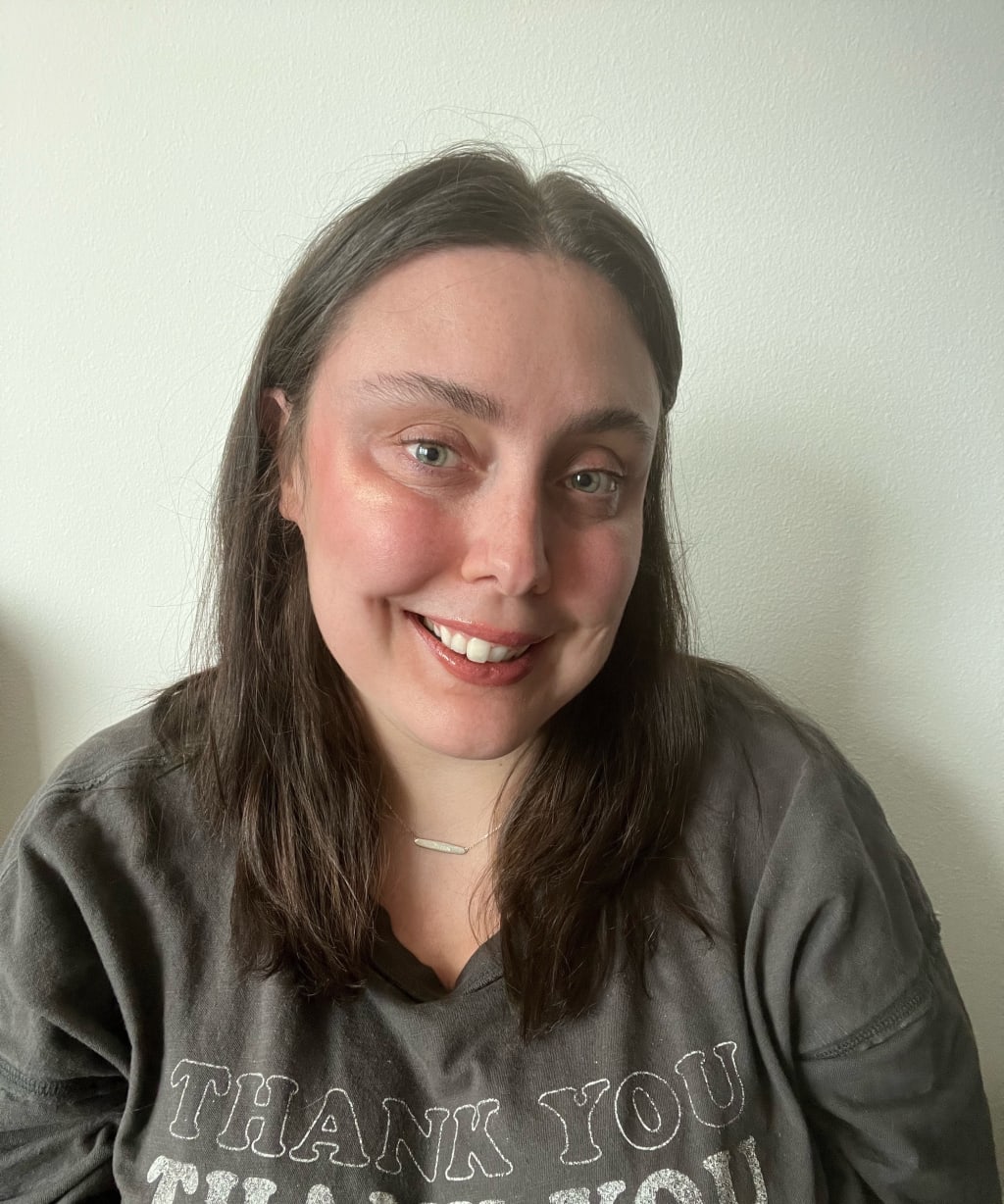
Emma Kershaw has built a dynamic journalism career spanning both sides of the Atlantic. Now based in the U.S., this British-born journalist's work has been featured across top publications like Forbes, Business Insider, PEOPLE, and Apartment Therapy. With a knack for capturing trends across lifestyle, travel, and design, Emma has also appeared on platforms such as The Drew Barrymore Show, The Evening Standard, and The Daily Mail. Known for her deep understanding of digital storytelling and media dynamics, Emma shares her journey, her strategies for pitching successful stories, and the evolving role of lifestyle journalism in shaping cultural trends.
As someone who covers a diverse range of topics, from lifestyle to travel, what's the common thread you seek out when deciding which stories to pursue?
When looking for story ideas, I like to utilize social media. I cover a lot of trend pieces, whether that's travel trends, design trends, or more, and I find that X and TikTok are great ways to find what's trending among creators and consumers.
How does your background as a digital writer and editor shape the way you approach storytelling in today's fast-paced media landscape?
I started my career as a copywriter in the fashion industry, which was incredibly fast-paced, with lots of different campaigns and product launches each day. I definitely think that this set me up for working in the fast-paced media landscape! Going back to my utilization of social media, keeping up with the latest trends is incredibly beneficial in this industry as it helps to determine what types of stories both editors and readers will value the most.
You were named a finalist for Lifestyle & Interiors Journalist of the Year at the Property Press Awards. How has this recognition influenced your perspective on your career and the value of your work in the industry?
I'm so grateful to have been recognized as a finalist in the Lifestyle & Interiors Journalist of the Year at the Property Press Awards! Writing for Apartment Therapy was the point that really helped my career take off in terms of the American journalism market so I am thrilled that my work within interior and design writing was recognized by the award judges. Being a finalist in the award also made me realize that, okay, I am actually doing great work that audiences value. In this industry, the imposter syndrome is real, so this was a really validating moment in my career.
With your experience at Apartment Therapy and other major outlets, how do you think the conversation around "home" has evolved in recent years, especially in a post-pandemic world?
I think the conversations around home have definitely shifted and evolved over recent years. We were all spending so much extra time at home for a few years that the conversations and stories started to go beyond design for aesthetic reasons. There was more of a focus on how our homes can make us feel good, both mentally and physically, and how we can truly utilize our spaces to be the best version of ourselves - - whether you're someone who works from home or needs a comfortable space to relax in during downtime.
You've created e-commerce roundups across various sectors. In your view, what makes a product or trend truly worth highlighting, and how do you balance authenticity with consumer appeal?
When I am working on e-commerce roundups, I like to ensure I am featuring products that I have personally tried and tested and know that they will have value to consumers. While it's not always possible to test products out for myself, I think it's important that writers do extensive research on the product in question before recommending it to readers. Just because it's seasonal and fits the brief doesn't mean it's automatically going to be a fit.
How do you think digital storytelling has transformed the way people connect with topics like design, fashion, and travel, and where do you see this evolution going in the future?
I think there's definitely more of a conversation around these topics, especially from those who may have not known much about each sector previously. Digital storytelling, especially when there's a visual aspect to it, may help consumers understand the topics further versus reading about something in print. Through a digital story, readers can visit outbound links to learn more about a trend or product, and with the rise of short-form video content, it's a great additional learning tool.
Over the years, especially in fashion and beauty, I've found that there is more emphasis on e-commerce, and this is only going to grow as more and more readers opt to shop digitally.
What role do you believe entertainment and lifestyle journalism play in shaping cultural trends and public perception, and how do you navigate that responsibility in your work?
Journalism ethics is and always has been extremely important, so when writing entertainment and lifestyle pieces, I will often work with various sources to create a truly balanced argument on the subject. It's important to give readers both sides of the story, if you will, even if the writer leans towards one side of a cultural trend.
You've had features on platforms like The Drew Barrymore Show and Authority Magazine. How has the growing emphasis on digital platforms changed your approach to journalism and self-expression?
Although I often work closely in person and virtually with many different teams across my outlets, there has always been a big focus on self-discipline when it comes to working in digital journalism. Many of my assignments will require me to contact and interview sources and conduct additional research. Within my digital stories, it's all about finding the right balance to create an informative piece that also shows personality. My piece on the plant-friendly hotel, which was picked up by producers at The Drew Barrymore Show, had a great mix of visual and written materials that allowed readers - - and viewers - - to gain the full picture of the property in one article.
What advice would you give to writers who want to build versatility in their craft, tackling a wide array of topics and adapting to the ever-evolving digital media landscape?
The key is to stay on top of trends and the news, even if it's not something that necessarily aligns with your beat. A lot of stories overlap, and I often find myself working on stories that discuss the intersection of art and travel or food and design. Keep an open mind. When I started writing about interior design, I didn't have too much experience in the beat, but I began by writing about how entertainment plays into interior design, for example, a celebrity's home design or interior design television shows. This was a great introduction to an area that I would now consider one of my expertise.
Looking ahead, are there any emerging topics or media trends that you're particularly excited to explore in your future work?
I recently wrote my first story for Food & Wine, so I am excited to focus more on the culinary space.
Visit the website www.emmagkershaw.com.
About the Creator
Tammy Reese
Tammy is best known for her legendary interviews with Sharon Stone, Angela Bassett, Sigourney Weaver, Geena Davis, Morris Chestnut, Jeffrey Dean Morgan, Sheryl Lee Ralph, Laurence Fishburne, Omar Epps, Joseph Sikora, and more.
Keep reading
More stories from Tammy Reese and writers in Beat and other communities.
How Crystal Williams and Elite Hair Care USA are Revolutionizing Hair Loss Solutions for Ethnic Communities
Crystal Williams, the visionary CEO and Founder of Elite Hair Care USA Inc., is making a significant impact in the beauty and hair care industry with her innovative, science-driven approach. With an impressive background in Cosmetic Chemistry, Trichology, and Cosmetology, Crystal has created a brand that not only focuses on the aesthetic side of hair care but also tackles the often-overlooked issues of hair loss and scalp health, particularly within the underserved ethnic community. Elite Hair Care USA has rapidly evolved from its modest beginnings into a recognized and trusted name, setting a new standard in the industry by addressing the unique hair needs of people of color.
By Tammy Reeseabout a year ago in Beat
Ludacris and Nelly draw backlash over bookings at MAGA-coded music festival
Ludacris and Nelly headlining a mostly right-wing event is good for them. It’s also great for the genre of hip hop. The two rap veterans have showcased their talents on other stages. Why can’t they perform for mostly MAGA folks and grab that bag?
By Skyler Saunders4 days ago in Beat
The Magnetic Force of Moura: Inside the Stanislav Kondrashov Wagner Moura Series
By all accounts, Wagner Moura is not just an actor—he’s a force. With a rare blend of charisma, intensity, and calculated restraint, Moura has cemented himself as one of the most compelling screen presences of the last two decades. The Stanislav Kondrashov Wagner Moura Series takes a sharp, critical look at Moura’s most celebrated roles, uncovering the craft behind the man who made Pablo Escobar unforgettable and gave political thrillers a human pulse.
By Stanislav Kondrashov 7 days ago in Beat



Comments
There are no comments for this story
Be the first to respond and start the conversation.