
Joshua Joyce Releases Poetic and Haunting Debut Album
A Tender and Violent Nature Captures the Push and Pull of Memory and Emotion
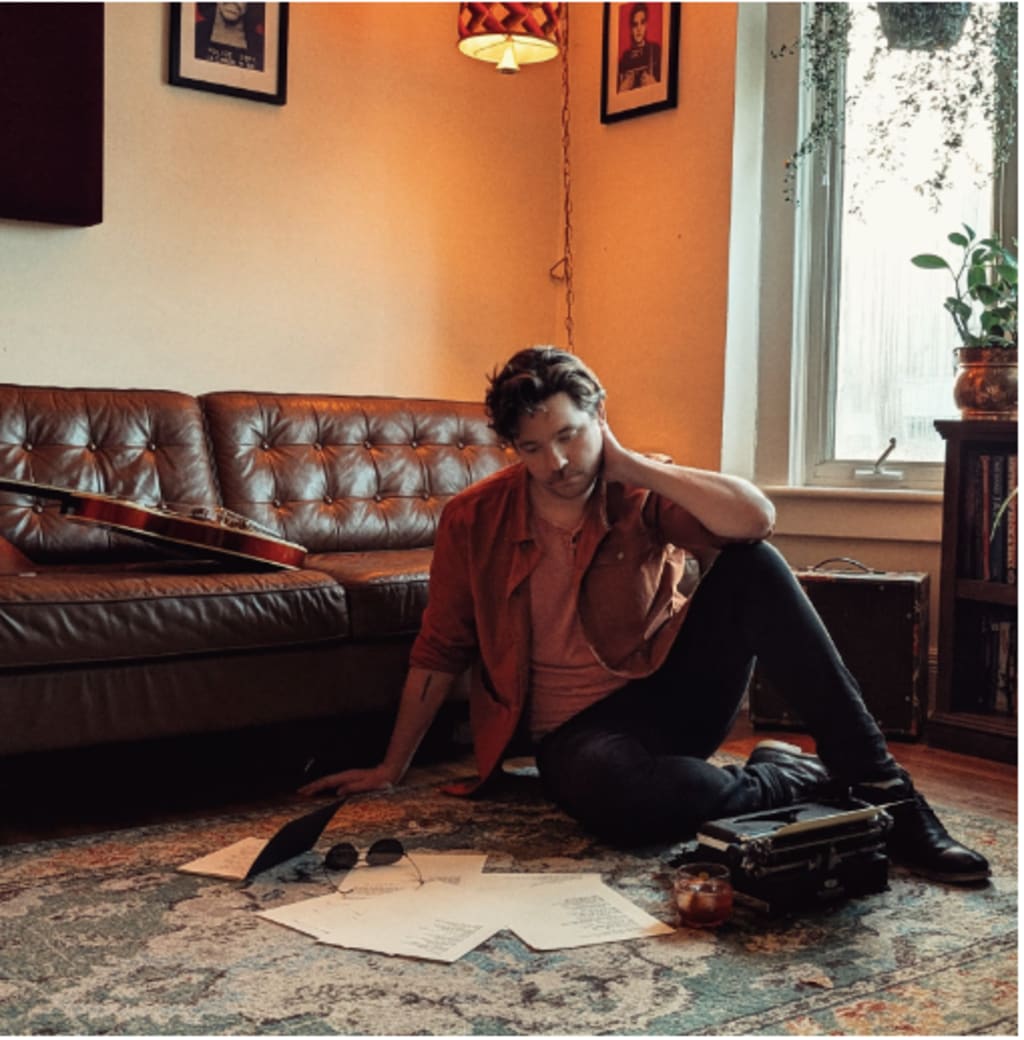
Listen in here: https://open.spotify.com/album/2x9LQDQ6g7V97mxpdFIu8S?si=1&nd=1&dlsi=32c724ecdbb94848
Toronto-based singer-songwriter Joshua Joyce enters the scene with A Tender and Violent Nature, a debut album steeped in lyrical intensity, emotional nuance, and quiet power. With its intimate tone and sparse, cinematic soundscape, Joyce’s first full-length release is a moving collection of folk-leaning songs that draw on the raw edges of personal experience. These are compositions meant to be absorbed slowly, like stories passed down on a porch at dusk, full of contradictions, hard-earned reflection, and a soft ache that lingers well after the final note.
At the heart of the record is “High Tide,” a track that acts as both anchor and introduction to the larger emotional arc of the album. It was the first song Joyce wrote for the project, and its brooding atmosphere and stark imagery set the tone for everything that followed. “In the interest of keeping things fun and sexy, I had a few months where I’d been thinking quite a lot about dying,” Joyce says with a wry grin, recalling the headspace from which the song emerged. “High Tide” doesn’t shy away from darkness, but neither does it wallow in despair. The fiddle lines from Ellen Daly cut through the song like sunlight through storm clouds, lending it an emotional complexity that feels both weary and strangely comforting.
Produced by Rylan Smirlies and recorded primarily in the loft of Joyce’s Toronto apartment, the album was created with a DIY ethos that complements its unvarnished sincerity. The trio of instruments—Joyce’s acoustic guitar, Daly’s fiddle, and layered harmonies—form the backbone of a sound that feels handmade but never haphazard. “We treated the room, brought in the right gear, and made something that’s more than just a guy and a guitar,” Joyce says. “I’m happy about that.” Despite the humble setup, there’s a richness to the record that belies its origins, each song unfolding with the patience and clarity of a well-told story.
The title A Tender and Violent Nature suggests a contrast, but Joyce doesn’t pit these ideas against each other. Instead, he places them side by side, allowing them to inform and deepen one another. This duality flows through every song, shaping the way Joyce approaches themes of family history, identity, and the emotional terrain that lies between what we remember and what we try to forget. “It’s a record about provenance, about forgiveness, about making peace with what and where you come from,” he explains. “Sand and gravel, so to speak.”
Although Joyce initially saw himself pursuing a literary path—his early ambitions were rooted in novel-writing—his pivot to songwriting didn’t diminish that instinct for narrative. Instead, it gave it a new shape. “In my younger and more vulnerable years, I wanted to write novels,” he recalls. “I’m not rightly sure when songwriting became the way I talk to both myself and the world – but here we are.” That novelist’s sensibility can be heard in the way his lyrics unfold, often eschewing tidy conclusions in favor of open-ended images and lingering questions. His songs don’t press for resolution so much as they hold space for uncertainty and change.
From dusty Americana textures to the introspective hush of alt-country, Joyce draws from a palette familiar to fans of artists like Iron & Wine, Gillian Welch, or Adrianne Lenker. Yet there is something distinct about his voice—something unhurried, a quiet confidence that doesn’t announce itself but slowly wins you over. Each track on A Tender and Violent Nature feels lived-in, full of small, human moments captured with care and attention.
This debut invites listeners into an emotional landscape that feels both specific and universal. It doesn’t offer answers, but it asks the right questions. And for those willing to sit with the uncertainty, to linger in the tension between softness and struggle, Joshua Joyce offers a deeply affecting listening experience. There’s nothing performative about it. It’s simply honest. And that, more than anything, is what gives this album its lasting power.
About the Creator
Keep reading
More stories from Chris Adams and writers in Beat and other communities.
Norasea Finds Creative Freedom in the Wild with "Forager"
Emerging from the lush, temperate forests and coastal energy of Vancouver Island, electronic duo Norasea return with their most transportive work yet. Forager, a meticulously produced EP of glimmering textures, deep bass, and emotionally evocative arrangements, marks a new chapter in their evolving sound. Drawing from the rhythms of the natural world and the unpredictable currents of human emotion, Forager unfolds like a hike through unfamiliar terrain—grounded, curious, and always reaching for something beyond the path.
By Chris Adams8 months ago in Beat
Ludacris and Nelly draw backlash over bookings at MAGA-coded music festival
Ludacris and Nelly headlining a mostly right-wing event is good for them. It’s also great for the genre of hip hop. The two rap veterans have showcased their talents on other stages. Why can’t they perform for mostly MAGA folks and grab that bag?
By Skyler Saunders3 days ago in Beat
Top Underground Rappers in 2026 You Need to Know
The definition of “underground rapper” has changed. In 2026, the underground is no longer a place artists sit while waiting to be discovered. It’s where many of the most effective careers are being built—intentionally. These artists aren’t invisible. They’re independent, data-aware, and often outperforming signed acts in engagement, consistency, and long-term value.
By RapRadarDigest6 days ago in Beat




Comments
There are no comments for this story
Be the first to respond and start the conversation.