
Japan Wine Market: Growth, Changing Tastes, and Consumer Trends
How Wine Is Becoming a Mainstream Choice in Japan’s Evolving Beverage Culture
Market Overview
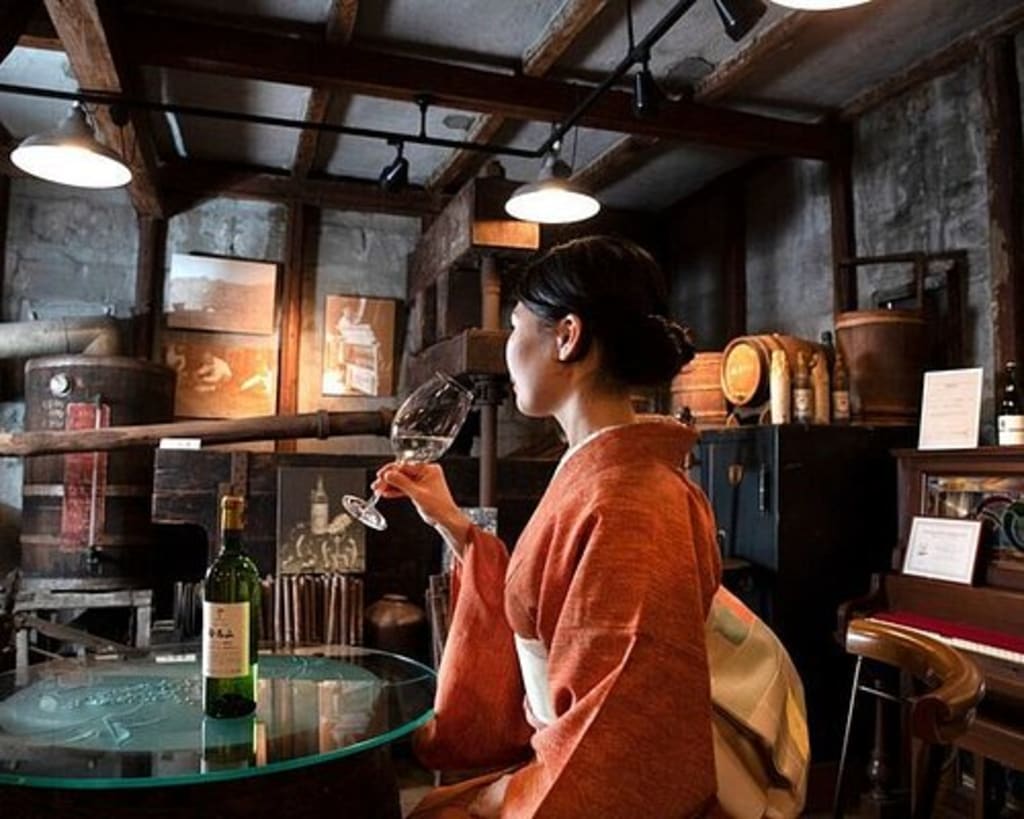
Wine has steadily moved from a niche import to a familiar part of everyday drinking culture in Japan. While sake and beer remain deeply rooted in tradition, wine is increasingly enjoyed at home, in restaurants, and during social gatherings. Exposure to international cuisine, global travel, and evolving lifestyle preferences have all contributed to wine’s rising appeal across different age groups.
According to analysis by IMARC Group, the Japan wine market was valued at USD 31.9 billion in 2025 and is expected to expand steadily, reaching approximately USD 50.4 billion by 2034. This growth represents a compound annual growth rate (CAGR) of 5.07% during 2026–2034, supported by increasing consumer familiarity with wine, a shift toward premium products, and wider availability through both physical and digital retail channels.
Key Factors Supporting Market Growth
- Growing Consumer Appreciation for Wine
Japanese consumers are becoming more knowledgeable about wine styles, grape varieties, and food pairings. Wine lists in restaurants, tasting events, and media coverage have helped demystify wine, encouraging experimentation and repeat consumption. This growing confidence is supporting demand across both imported and domestic categories.
- Premiumization and Willingness to Spend
There is a noticeable shift toward higher-quality and premium wines, particularly among urban professionals and experienced consumers. Interest in craftsmanship, origin, and flavor complexity is driving demand for well-positioned premium labels rather than purely price-driven purchases.
- Broader Retail Access
Wine is now widely available through supermarkets, convenience stores, specialty retailers, and online platforms. E-commerce has played an important role in expanding choice, allowing consumers to explore international wines and niche domestic labels that may not be stocked locally.
Role of Innovation in Market Development
- Rise of Domestic and Boutique Wines
Japan’s domestic wine industry is gaining recognition for quality and experimentation. Smaller producers are focusing on regional characteristics, local grape varieties, and refined production methods. These wines appeal to consumers seeking authenticity and a closer connection to place.
- Digital Discovery and Education
Online platforms, wine apps, and virtual tastings are helping consumers learn about wine in an approachable way. Digital recommendations and educational content reduce barriers for new drinkers and encourage informed purchasing decisions.
- Sustainability and Responsible Production
Environmental awareness is influencing purchasing behavior, with growing interest in organic, biodynamic, and sustainably produced wines. Consumers are increasingly considering production practices alongside taste and price when choosing wines.
Japan Wine Industry Trends
Wine consumption in Japan is being shaped by changing demographics and dining habits. Younger consumers and professionals are embracing wine as part of a modern, international lifestyle, while wine’s compatibility with global cuisine has strengthened its position in restaurants and hospitality venues.
Imported wines continue to play a major role, particularly from established wine-producing countries such as France, Italy, Spain, and Australia. At the same time, Japanese wines from regions like Yamanashi, Nagano, and Hokkaido are gaining visibility and consumer trust.
Interest in lighter styles, sparkling wines, and lower-alcohol options is also increasing, reflecting broader health and lifestyle considerations.
Japan Wine Market Segmentation
By Product Type
- Still Wine
- Sparkling Wine
- Fortified Wine and Vermouth
By Color
- Red Wine
- White Wine
- Rosé Wine
By Distribution Channel
- Off-Trade
- On-Trade
By Region
Kanto
Kansai / Kinki
Chubu
Kyushu–Okinawa
Tohoku
Chugoku
Hokkaido
Shikoku
This segmentation highlights how wine demand in Japan varies by consumption occasion, purchasing channel, and regional preferences.
Competitive Landscape
Japan’s wine market includes international brands, domestic producers, importers, distributors, and specialty retailers. Competition is influenced by brand positioning, product quality, pricing strategy, and consumer education efforts.
Companies that successfully communicate quality, origin, and lifestyle appeal — while adapting to local tastes — are better positioned to build long-term loyalty in Japan’s increasingly mature wine market.
Market Outlook
The Japan wine market is expected to continue its steady expansion as wine becomes further integrated into everyday consumption and social culture. Premiumization, domestic wine development, and digital retail growth will remain important drivers shaping the market’s future.
As consumer knowledge deepens and preferences diversify, wine is likely to strengthen its role as a versatile and culturally accepted beverage within Japan’s evolving food and lifestyle landscape.
About the Creator
I've Just Realized
The President doesn't understand music. There. It felt very good to write that; it's some thing I just realized today. Oh , yes; he plays it. He TRUMPets it in rallies and meetings, pumps it across the airwaves when he gathers up our minutes waiting for his late arrival.
By Judey Kalchik 4 days ago in Beat


Comments
There are no comments for this story
Be the first to respond and start the conversation.