
Japan Construction Equipment Market: Size, Trends, and Growth Outlook
Infrastructure Investment, Urban Development, and Automation Driving Equipment Demand
Market Overview
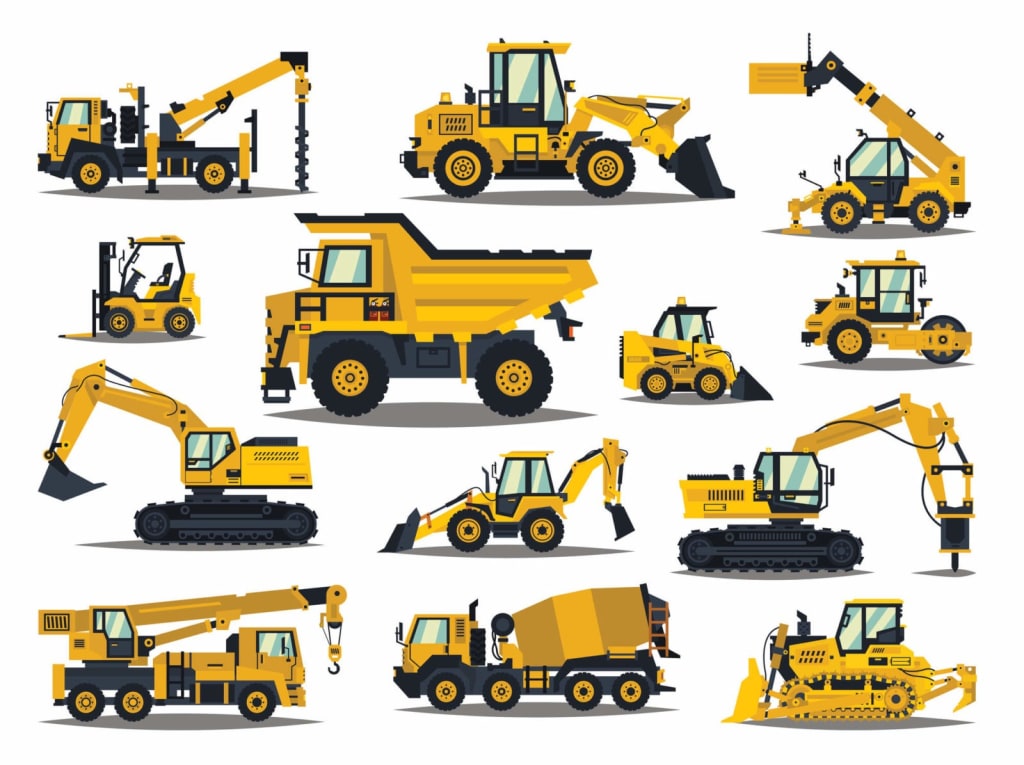
Construction equipment plays a vital role in infrastructure development, enabling large-scale projects such as highways, railways, airports, residential complexes, and industrial facilities. In Japan, advanced machinery is essential due to the country’s challenging terrain, strict safety standards, and need for efficient project execution.
According to the latest report by IMARC Group, the Japan construction equipment market reached a value of USD 13.1 billion in 2025. The market is projected to grow to approximately USD 22.5 billion by 2034, expanding at a compound annual growth rate (CAGR) of 6.20% during 2026–2034.
Growth is being supported by increasing investments in infrastructure projects, urban redevelopment initiatives, and modernization of construction practices across the country.
Key Drivers Supporting Market Expansion
- Infrastructure Development and Public Works
Japan continues to invest heavily in transportation networks, disaster-resilient infrastructure, and urban renewal projects. Construction of roads, bridges, railways, and airports requires large volumes of earthmoving, material-handling, and lifting equipment, driving steady demand for machinery.
Reconstruction and maintenance activities following natural disasters also contribute to equipment utilization across regions.
- Urbanization and Real Estate Activity
Population concentration in major metropolitan areas such as Tokyo and Osaka is fueling demand for residential, commercial, and mixed-use developments. Large-scale urban redevelopment projects require advanced machinery to improve construction speed, safety, and efficiency.
- Labor Shortages in the Construction Sector
Japan faces a declining workforce due to its aging population. This shortage is accelerating the adoption of mechanized solutions and high-productivity equipment that reduces reliance on manual labor while maintaining project timelines.
Government Policies and Strategic Support
The Japanese government prioritizes infrastructure resilience and modernization as part of long-term economic planning. Public spending programs focused on transportation, disaster prevention, and regional revitalization indirectly support the construction equipment market.
Smart city initiatives and infrastructure upgrades designed to enhance sustainability and connectivity also stimulate demand for advanced machinery.
Environmental regulations are encouraging the use of fuel-efficient, low-emission equipment, prompting manufacturers to develop cleaner and more energy-efficient machines.
Recent Investments and Industry Developments
Domestic and international manufacturers continue to innovate in automation, electrification, and digital construction technologies.
Companies are introducing equipment equipped with GPS guidance, remote monitoring, and semi-autonomous operation to improve accuracy and safety on job sites. Automation technologies are particularly important in addressing workforce shortages and improving productivity.
Demand for rental and leasing services is also rising, allowing contractors to access modern equipment without large upfront capital expenditure.
Role of Technology and Innovation
- Automation and Smart Construction Equipment
Advanced machinery now incorporates sensors, machine control systems, and real-time data analytics to optimize operations and reduce human error.
- Electrification and Sustainability
Manufacturers are developing electric and hybrid equipment to meet strict environmental standards and reduce fuel consumption and emissions.
- Digital Monitoring and Telematics
Telematics systems enable remote tracking of equipment performance, maintenance needs, and utilization rates, improving operational efficiency and lifecycle management.
Japan Construction Equipment Industry Trends
The industry is shifting toward high-efficiency, environmentally friendly machinery as sustainability becomes a key priority. Compact equipment is also gaining popularity in urban areas where space constraints limit the use of large machines.
Post-disaster reconstruction efforts and infrastructure maintenance programs continue to provide steady demand, while export opportunities support domestic manufacturing.
Technological integration, including robotics and autonomous operation, is expected to transform construction practices over the coming decade.
Market Segmentation
Solution Type Insights:
- Products
- Services
Equipment Type Insights:
- Heavy Construction Equipment
- Compact Construction Equipment
Type Insights:
- Loader
- Cranes
- Forklift
- Excavator
- Dozers
- Others
Application Insights:
- Excavation and Mining
- Lifting and Material Handling
- Earth Moving
- Transportation
- Others
Industry Insights:
- Oil and Gas
- Construction and Infrastructure
- Manufacturing
- Mining
- Others
By Region
Kanto Region
Kansai / Kinki Region
Central / Chubu Region
Kyushu–Okinawa Region
Tohoku Region
Chugoku Region
Hokkaido Region
Shikoku Region
Competitive Landscape
The Japan construction equipment market includes major domestic manufacturers, global machinery companies, and specialized equipment providers. Competition is driven by product reliability, technological innovation, fuel efficiency, and after-sales support.
Companies capable of delivering advanced, environmentally compliant, and automated solutions are likely to gain a competitive advantage.
Market Outlook
The Japan construction equipment market is expected to experience steady growth as infrastructure renewal, urban development, and disaster resilience remain national priorities.
Rising adoption of smart construction technologies, automation, and sustainable machinery will continue to shape industry evolution.
As Japan modernizes its infrastructure while addressing labor constraints and environmental goals, construction equipment will remain essential to supporting long-term economic development and public safety.
About the Creator
It's 2026. Songs Turning 10 This Year
In 2016, we saw the rise of short form videos and what would lead to the birth of TikTok. We cannot forget the Snapchat filters no matter how cringe worthy some of them might have been. It was also the year in which the hit series Stranger Things debuted.
By Jasmine Aguilar2 days ago in Beat



Comments
There are no comments for this story
Be the first to respond and start the conversation.