
Japan Alternative Data Market: Size, Trends, and the New Currency of Information
How Non-Traditional Data Is Powering Smarter Decisions Across Japan’s Economy
Market Overview
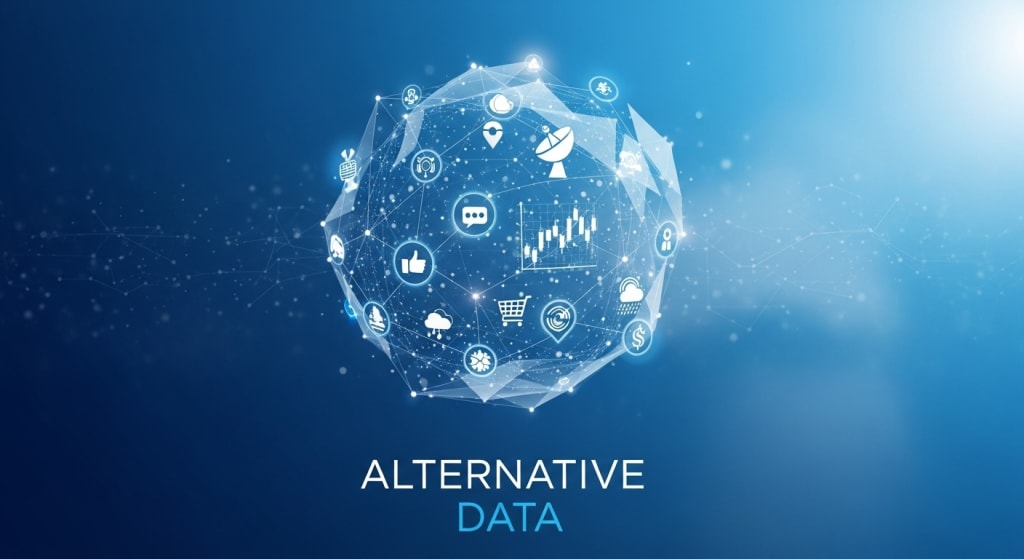
For decades, businesses relied on financial statements, surveys, and official statistics to guide decisions. In Japan, that approach is now being complemented by a powerful new layer of insight known as alternative data. This type of data comes from non-traditional sources such as mobile location signals, online transactions, satellite imagery, sensor networks, web activity, and digital behavior patterns. Unlike structured reports released on fixed schedules, alternative data reflects real-time human and economic activity.
In 2025, the Japan alternative data market reached an estimated value of USD 710.9 million, showing how quickly organizations are embracing these new information sources. Companies across finance, retail, transportation, technology, and urban planning are using alternative data to better understand customer behavior, monitor operational performance, and respond more quickly to changing conditions.
Looking ahead, the market is expected to expand rapidly and reach approximately USD 9,548.1 million by 2034. This sharp increase highlights the growing importance of speed and foresight in a digital economy. As artificial intelligence and advanced analytics tools become more accessible, alternative data is moving from experimental use cases to a core component of strategic decision-making.
Why Alternative Data Is Gaining Momentum in Japan
- Real-Time Visibility in a Fast-Moving Economy
Traditional data sources often arrive too late to influence timely action. Alternative data provides near real-time insight into consumer movement, purchasing behavior, supply chains, and infrastructure usage. In an economy as dynamic and densely populated as Japan’s, this immediacy allows organizations to adapt faster and reduce uncertainty.
- From Historical Review to Predictive Insight
Alternative data shifts analysis from looking backward to anticipating what may happen next. Patterns in mobility data, online engagement, or transaction flows can help forecast demand, identify emerging risks, and uncover opportunities before they become visible through conventional datasets.
- Analytics and AI Making Data Actionable
Alternative data is often unstructured and complex. Advances in machine learning, natural language processing, and cloud computing are making it easier to process and interpret large volumes of information. These technologies transform raw data streams into insights that support planning, forecasting, and performance optimization.
Key Trends Shaping the Japan Alternative Data Market
- Financial Services Driving Early Adoption
Financial institutions and investment firms are among the most active users of alternative data. Transaction activity, mobility indicators, and satellite monitoring are used to evaluate companies, assess market sentiment, and manage investment risk with greater precision.
- Expanding Use in Retail and Consumer Analytics
Retailers are increasingly turning to alternative data to understand foot traffic, online behavior, and purchasing patterns. These insights support better inventory planning, pricing decisions, and targeted engagement strategies, helping businesses remain aligned with shifting consumer preferences.
- Urban Analytics and Mobility Intelligence
In Japan’s major cities, location and mobility data are becoming valuable tools for understanding how people move through urban spaces. Transportation planning, real estate development, and infrastructure management benefit from insights derived from traffic flows and population movement.
Japan Alternative Data Market Segmentation
By Data Type
- Transaction and Payment Data
- Location and Foot Traffic Data
- Mobile Application Usage Data
- Web and Social Media Data
- Satellite, Sensor, and Environmental Data
- Other Unstructured Data Sources
By Industry
- Financial Services
- Retail and E-Commerce
- Transportation and Logistics
- Real Estate and Construction
- Media and Entertainment
- IT and Telecommunications
- Others
By End User
- Investment Institutions
- Hedge Funds and Asset Managers
- Retail and Consumer Businesses
- Other Enterprise Users
By Region
Kanto
Kansai / Kinki
Chubu
Kyushu–Okinawa
Tohoku
Chugoku
Hokkaido
Shikoku
This segmentation reflects how alternative data is applied across industries, user groups, and regions throughout Japan.
Competitive Landscape
The Japan alternative data ecosystem includes data aggregators, analytics platform providers, AI-focused startups, and established technology companies. Competition is shaped by data quality, coverage depth, analytical sophistication, and adherence to privacy and data protection standards. Collaboration between data providers and analytics specialists is common, enabling the delivery of integrated insight solutions rather than isolated datasets.
Market Outlook
The Japan alternative data market is rapidly transitioning from niche experimentation to mainstream adoption. As organizations seek faster, more accurate, and forward-looking insights, reliance on non-traditional data sources will continue to grow. At the same time, ethical data use, transparency, and privacy protection will remain critical considerations.
Over the coming decade, alternative data is expected to become a foundational input for strategic planning, investment decisions, and operational management across Japan’s economy. Organizations that develop the ability to interpret and apply these insights effectively will be better positioned to navigate an increasingly data-driven world.
About the Creator
Torrie wilson
I write about market trends, technology, and innovation, focusing on clear, easy-to-understand insights. My goal is to turn complex industry shifts into engaging stories with real-world relevance.
Keep reading
More stories from Torrie wilson and writers in Beat and other communities.
Japan Insurtech Market: Size, Trends, and the Digital Reinvention of Insurance
Market Overview Japan’s insurance industry has long been known for its scale, reliability, and deep integration into everyday life. However, in recent years, the sector has been undergoing a quiet but powerful transformation. Insurtech—where insurance meets digital technology—is reshaping how policies are designed, sold, and managed. From mobile-first platforms to AI-driven underwriting, technology is redefining what insurance looks like for modern consumers.
By Torrie wilson5 days ago in Beat
Buried Beneath Antarctic Ice, Scientists Uncover a Lost World Frozen in Time for 34 Million Years
In a remarkable breakthrough, scientists have discovered an ancient ecosystem buried beneath two kilometers of Antarctic ice, frozen and preserved for an astonishing 34 million years. This “lost world” provides an extraordinary window into Earth’s climate, biodiversity, and geological history during the late Eocene, a period of significant global transformation.
By Salaar Jamalia day ago in Beat
Cabin Fever Because of Snow, Sleet, and Freezing Rain That Turned to Icy Roads
What Is Cabin Fever? The short answer is that cabin fever is restlessness from being in a confined area. Cabin fever is the distressing irritability or restlessness experienced when a person or group is stuck at an isolated location or in confined quarters for an extended time. Research shows that prolonged cold, gray skies, and being stuck indoors can trigger mood shifts similar to “winter blues.”
By Margaret Minnicks3 days ago in Humans




Comments
There are no comments for this story
Be the first to respond and start the conversation.