
Into the Wild Side of Jaipur: Jhalana Leopard Safari Experience Guide
Jhalana Leopard Safari is not just a wildlife experience
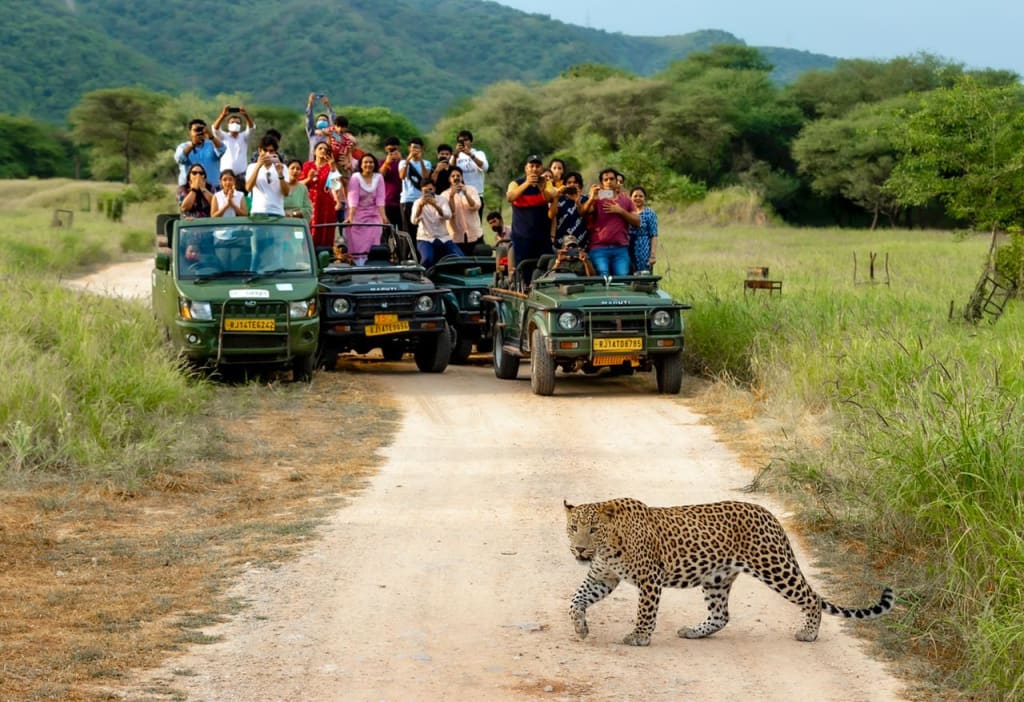
When most people think of Jaipur, they picture grand forts, royal palaces, and bustling bazaars awash with color. But just a few kilometers away from the Pink City’s chaos lies an untamed wilderness that tells a completely different story — the Jhalana Leopard Safari. Tucked within the Aravalli hills, this sanctuary offers an adrenaline-filled escape where nature thrives and leopards reign supreme. If you’ve ever dreamt of watching these elusive cats prowl their natural domain, this guide will help you plan the perfect Jhalana experience — blending the thrill of wildlife with the charm of Rajasthan.
Discovering Jhalana: Jaipur’s Hidden Wild Gem
Spanning over 20 square kilometers, Jhalana Leopard Reserve is India’s first leopard safari park, and it’s quickly gaining fame among wildlife enthusiasts. What makes it truly special is accessibility — this wilderness lies right on the outskirts of Jaipur, barely a 30-minute drive from the city center.
Unlike national parks such as Ranthambore, Jhalana is compact, meaning you stand a higher chance of spotting leopards. The reserve is home to over 30 leopards, along with other fascinating creatures like blue bulls (nilgai), spotted deer, desert foxes, hyenas, and a colorful array of birds. The dry deciduous forest, dotted with dhok and khejri trees, forms a perfect camouflage for these predators — and it’s an unforgettable experience when your eyes finally catch that distinctive golden silhouette moving through the brush.
The Safari Experience: What to Expect
The safari begins at the Jhalana Gate, where visitors are briefed before boarding open jeeps that carry around six people. The adventure is split into two sessions — morning (around 6:15 AM) and evening (around 3:30 PM) — each lasting nearly two and a half hours.
Mornings bring soft golden light filtering through the hills, and it’s the perfect time for photography and spotting wildlife as the jungle slowly wakes. Evenings, however, are when leopards become more active, emerging from the rocky crevices to mark their territory.
The thrill of the safari lies not only in spotting a leopard but also in soaking in the raw energy of the forest — the rustle of dry leaves, the distant call of peacocks, the sight of a sunbathing langur family perched on the ruins of an old watchtower. Each turn of the dusty track keeps you guessing what nature might unveil next.
If you’re lucky, your guide might even point out Shikaar Oudhi, a hunting lodge once used by Jaipur’s royals, now reclaimed by the jungle — a haunting reminder of how power and wilderness have always coexisted here.
How to Reach Jhalana Leopard Safari
Reaching Jhalana is simple, which adds to its growing popularity. The Jhalana Reserve Forest is located just 7–8 km from Jaipur International Airport and about 10 km from the main city area.
By Air: Jaipur Airport is the nearest, with regular flights from major cities like Delhi, Mumbai, and Bengaluru.
By Train: The Jaipur Junction railway station is around 10 km from the reserve and well-connected to India’s major routes.
By Road: Jaipur is easily accessible via NH48 and NH52. You can hire a cab or use local app-based taxis to reach the safari gate.
If you’re already staying in Jaipur, a quick 20–30 minute drive will get you there comfortably.
Best Time to Visit Jhalana Safari
While the park is open throughout the year, the best time to visit Jhalana Leopard Safari is from October to March, when the weather is pleasant and wildlife sightings are consistent. The mornings are crisp and misty, and the forest feels alive after the monsoon season.
April to June can be hot, but offer another advantage — leopards and other animals are often spotted near water sources. If you can handle the heat, this is actually a great time for photographers to capture raw, dramatic moments.
During monsoons (July–September), the forest turns lush green, offering a different charm, though safaris may occasionally be disrupted due to rain.
Nearby Attractions: Extend Your Jaipur Adventure
One of the best things about visiting Jhalana is its proximity to Jaipur’s iconic landmarks. You can easily plan a 2-day itinerary combining both wildlife and heritage.
After your morning safari, head to the Amber Fort, about 30 minutes away, to explore its grand courtyards and elephant pathways. In the afternoon, visit Nahargarh Fort, perched high on the Aravalli Hills — it offers panoramic views of Jaipur and an excellent spot for sunset photography.
If you’re into cultural experiences, stop by Hawa Mahal, City Palace, or Jantar Mantar in the heart of the city. For a relaxing evening, unwind at Jal Mahal or enjoy traditional Rajasthani cuisine at Chokhi Dhani, a themed village resort that captures the spirit of Rajasthan.
Local Tips, Budgeting, and Safety
Entry & Booking:
It’s advisable to book your safari online in advance, especially during weekends and tourist seasons. Tickets usually range between ₹600–₹1200 per person, depending on the type of jeep and guide service.
Guides Matter:
A knowledgeable naturalist can transform your safari. They not only help spot leopards but also share insights about local ecology, animal behavior, and the delicate balance of the ecosystem.
What to Carry:
Light clothing in neutral colors (avoid bright shades)
A hat, sunscreen, and sunglasses for the day
Binoculaard safari park, and it’s quickly gaining fame among wildlife enthusiasts. What makes it truly special is accessibility — this wilderness lies right on the outskirts of Jaipur, barely a 30-minute drive from the city center.
Unlike national parks such as Ranthambore, Jhalana is compact, meaning you stand a higher chance of spotting leopards. The reserve is home to over 30 leopards, along with other fascinating creatures like blue bulls (nilgai), spotted deer, desert foxes, hyenas, and a colorful array of birds. The dry deciduous forest, dotted with dhok and khejri trees, forms a perfect camouflage for these predators — and it’s an unforgettable experience when your eyes finally catch that distinctive golden silhouette moving through the brush.
The Safari Experience: What to Expect
The safari begins at the Jhalana Gate, where visitors are briefed before boarding open jeeps that carry around six people. The adventure is split into two sessions — morning (around 6:15 AM) and evening (around 3:30 PM) — each lasting nearly two and a half hours.
Mornings bring soft golden light filtering through the hills, and it’s the perfect time for photography and spotting wildlife as the jungle slowly wakes. Evenings, however, are when leopards become more active, emerging from the rocky crevices to mark their territory.
The thrill of the safari lies not only in spotting a leopard but also in soaking in the raw energy of the forest — the rustle of dry leaves, the distant call of peacocks, the sight of a sunbathing langur family perched on the ruins of an old watchtower. Each turn of the dusty track keeps you guessing what nature might unveil next.
If you’re lucky, your guide might even point out Shikaar Oudhi, a hunting lodge once used by Jaipur’s royals, now reclaimed by the jungle — a haunting reminder of how power and wilderness have always coexisted here.
How to Reach Jhalana Leopard Safari
Reaching Jhalana is simple, which adds to its growing popularity. The Jhalana Reserve Forest is located just 7–8 km from Jaipur International Airport and about 10 km from the main city area.
By Air: Jaipur Airport is the nearest, with regular flights from major cities like Delhi, Mumbai, and Bengaluru.
By Train: The Jaipur Junction railway station is around 10 km from the reserve and well-connected to India’s major routes.
By Road: Jaipur is easily accessible via NH48 and NH52. You can hire a cab or use local app-based taxis to reach the safari gate.
If you’re already staying in Jaipur, a quick 20–30 minute drive will get you there comfortably.
Best Time to Visit Jhalana Safari
While the park is open throughout the year, the best time to visit Jhalana Leopard Safari is from October to March, when the weather is pleasant and wildlife sightings are consistent. The mornings are crisp and misty, and the forest feels alive after the monsoon season.
April to June can be hot, but offer another advantage — leopards and other animals are often spotted near water sources. If you can handle the heat, this is actually a great time for photographers to capture raw, dramatic moments.
During monsoons (July–September), the forest turns lush green, offering a different charm, though safaris may occasionally be disrupted due to rain.
Nearby Attractions: Extend Your Jaipur Adventure
One of the best things about visiting Jhalana is its proximity to Jaipur’s iconic landmarks. You can easily plan a 2-day itinerary combining both wildlife and heritage.
After your morning safari, head to the Amber Fort, about 30 minutes away, to explore its grand courtyards and elephant pathways. In the afternoon, visit Nahargarh Fort, perched high on the Aravalli Hills — it offers panoramic views of Jaipur and an excellent spot for sunset photography.
If you’re into cultural experiences, stop by Hawa Mahal, City Palace, or Jantar Mantar in the heart of the city. For a relaxing evening, unwind at Jal Mahal or enjoy traditional Rajasthani cuisine at Chokhi Dhani, a themed village resort that captures the spirit of Rajasthan.
Local Tips, Budgeting, and Safety
Entry & Booking:
It’s advisable to book your safari online in advance, especially during weekends and tourist seasons. Tickets usually range between ₹600–₹1200 per person, depending on the type of jeep and guide service.
Guides Matter:
A knowledgeable naturalist can transform your safari. They not only help spot leopards but also share insights about local ecology, animal behavior, and the delicate balance of the ecosystem.
Travel Safety:
Follow your guide’s instructions strictly. Don’t stand up or make sudden movements during leopard sightings, and maintain silence — the forest listens closely. Also, respect the wildlife; remember, you are in their home.
A Journey Beyond the City Walls
The Jhalana Leopard Safari is not just a wildlife experience; it’s a reminder that even in a city famed for its architecture and heritage, nature quietly thrives on the edges. Watching a leopard melt into the golden landscape of Jaipur’s Aravallis is something that stays with you long after you’ve left.
Whether you’re a wildlife photographer, a nature lover, or simply someone seeking a unique Jaipur experience, Jhalana promises a taste of the wild without straying too far from urban comfort. It’s that rare place where adventure meets accessibility — a perfect blend of thrill, tranquility, and discovery.
About the Creator
prince sain
Hey, I’m Prince, and I love traveling. Exploring new places and meeting new people is my jam. I get super excited about finding cool stuff in different places and learning about different cultures.
Keep reading
More stories from prince sain and writers in Beat and other communities.
Into the Heart of the Falls: Discover the Untamed Beauty of Dudhsagar Trek
Some treks challenge your endurance, and then some treks feed your soul. The Dudhsagar Trek belongs to the latter — a journey that takes you deep into the Western Ghats, where mist, waterfalls, and wilderness merge into a single breathtaking experience. If you’ve ever dreamt of walking alongside roaring cascades, hearing the call of the wild echo through dense forests, and standing before one of India’s tallest waterfalls, then this adventure is for you.
By prince sain2 months ago in Beat
Ludacris and Nelly draw backlash over bookings at MAGA-coded music festival
Ludacris and Nelly headlining a mostly right-wing event is good for them. It’s also great for the genre of hip hop. The two rap veterans have showcased their talents on other stages. Why can’t they perform for mostly MAGA folks and grab that bag?
By Skyler Saunders3 days ago in Beat
Top Underground Rappers in 2026 You Need to Know
The definition of “underground rapper” has changed. In 2026, the underground is no longer a place artists sit while waiting to be discovered. It’s where many of the most effective careers are being built—intentionally. These artists aren’t invisible. They’re independent, data-aware, and often outperforming signed acts in engagement, consistency, and long-term value.
By RapRadarDigest6 days ago in Beat




Comments
There are no comments for this story
Be the first to respond and start the conversation.