
Into the Heart of the Falls: Discover the Untamed Beauty of Dudhsagar Trek
Dudhsagar Trek isn’t just about reaching a waterfall — it’s about losing yourself in the untamed heart of nature and rediscovering what peace feels like.
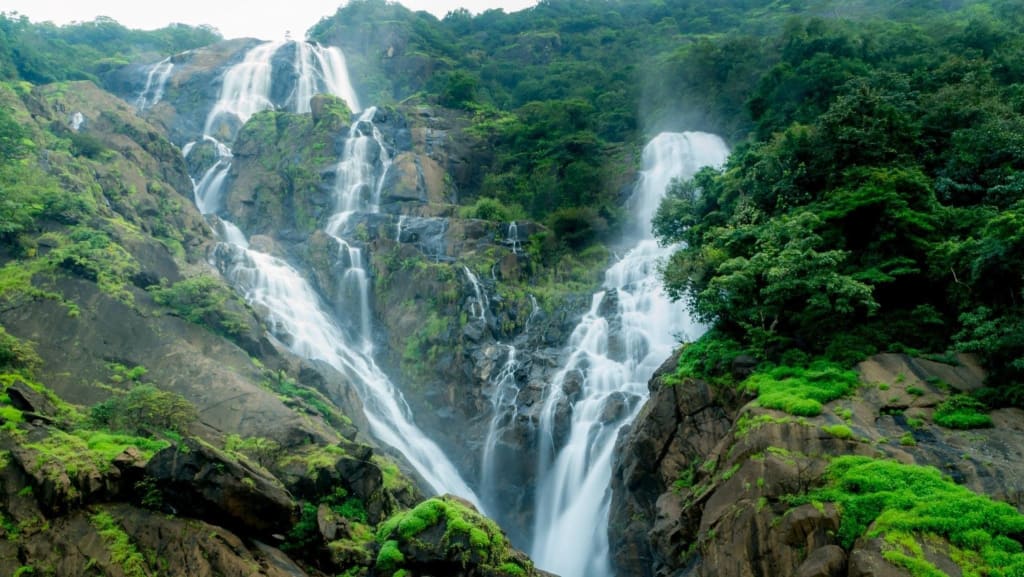
Some treks challenge your endurance, and then some treks feed your soul. The Dudhsagar Trek belongs to the latter — a journey that takes you deep into the Western Ghats, where mist, waterfalls, and wilderness merge into a single breathtaking experience. If you’ve ever dreamt of walking alongside roaring cascades, hearing the call of the wild echo through dense forests, and standing before one of India’s tallest waterfalls, then this adventure is for you.
The Magic of Dudhsagar: Nature’s Milky Marvel
The name Dudhsagar literally translates to “Sea of Milk,” and once you witness the waterfall in full force, you’ll understand why. Cascading from a height of over 1,000 feet, this four-tiered waterfall gushes down the rugged slopes of the Western Ghats on the Goa–Karnataka border. The milky white froth formed as the water crashes onto the rocks below gives it its poetic name.
As the iconic Mandovi River tumbles down, it creates an enchanting mist that engulfs everything in its path. The sight is mesmerizing, especially during the monsoon months when the falls are at their most majestic. It’s no wonder this natural wonder is one of India’s most photographed and sought-after trekking destinations.
The Journey Begins: How to Reach Dudhsagar Falls
Reaching Dudhsagar is an adventure in itself. The falls lie within the Bhagwan Mahavir Wildlife Sanctuary, around 60 km from Panaji (Goa’s capital) and 80 km from Belgaum. There are several routes to choose from, depending on your preference for adventure and convenience.
Most travellers opt for the Dudhsagar Railway Trek that starts from Kulem (Collem) Station. This route is about 11 km long and takes you along the railway track, crossing tunnels, bridges, and dense forest patches. The trek can take 4–5 hours one way, depending on your pace. Alternatively, you can start from Castle Rock Station, which is a longer but equally scenic 14 km trail.
If trekking isn’t your style, you can still reach the base of the falls by jeep safari from Kulem, available during the dry months (October to May). However, trekkers visiting during or after the monsoon (June–September) will find the route more vibrant — though slightly more challenging due to slippery trails and water crossings.
When to Visit: Timing Your Trek to Perfection
The best time to visit Dudhsagar Falls depends on what kind of experience you’re after.
Monsoon Season (June–September): This is when the waterfall is in its full, roaring glory. The trek, however, can be tough and is often restricted due to heavy rains. Still, if you’re an experienced trekker, this is the most rewarding time to witness nature at its wildest.
Post-Monsoon (October–February): Ideal for trekking. The weather is pleasant, the forests are lush and green, and the flow of the falls is strong but manageable.
Summer (March–May): The water level drops considerably, making it less dramatic, but the surrounding forest trails remain beautiful.
For most travellers, October to January offers the perfect balance between adventure and comfort.
The Trek Experience: Walking Through Wilderness
Imagine this: you’re walking along moss-covered railway tracks, surrounded by dense forest on both sides. The rhythmic chirping of crickets and the distant rumble of the falls guide your way. As you cross old stone bridges and dark tunnels echoing with the sound of your footsteps, anticipation builds — until finally, you catch a glimpse of white mist ahead.
That first sight of Dudhsagar Falls is something you’ll never forget. Standing before the towering cascade, with the railway bridge cutting dramatically across its middle, is a surreal experience. Many trekkers pause here for a while, simply soaking in the view, the cool spray of water refreshing their faces.
If you continue closer to the base, you’ll reach a pool where the water gathers. Swimming here is not recommended during high flow (for safety reasons), but during drier months, you can dip your feet in and enjoy the serenity.
Along the way, you might spot wildlife — monkeys, deer, peacocks, and even rare birds. Since the area lies within a protected sanctuary, it’s vital to respect the environment: no littering, loud music, or feeding animals.
Nearby Attractions: What Else to Explore
Once you’ve conquered the Dudhsagar trek, don’t rush back. The region around the falls is packed with natural and cultural gems worth exploring.
Tambdi Surla Temple: Located deep within the forest, this 12th-century Shiva temple is a masterpiece of Kadamba architecture.
Bhagwan Mahavir Wildlife Sanctuary: Home to leopards, elephants, and a wide variety of birds — perfect for nature lovers.
Mollem Village: A peaceful Goan village near Kulem, where you can interact with locals and taste authentic Goan cuisine.
Goa Beaches: If you’re heading back to Goa, unwind at Colva or Palolem Beach to end your adventure on a relaxing note.
These nearby attractions make Dudhsagar not just a trek, but a wholesome nature retreat.
Tips, Budgeting & Safety: Trek Smart, Travel Safe
Before you lace up your boots, here are some essential local tips to make your Dudhsagar trek smooth and memorable:
Permits: Trekkers entering through the forest area may need permits from the Forest Department. Always check locally before starting your journey.
Footwear & Gear: Wear sturdy trekking shoes with good grip — the trail can be slippery, especially near the falls. Carry a raincoat, flashlight, water, and dry snacks.
Safety: Avoid trekking at night or during heavy rainfall. Stick to groups and marked trails.
Guides & Locals: Hiring a local guide can enrich your experience — they’ll share stories, help you navigate safely, and show hidden viewpoints.
Suggested Itinerary: A Perfect 2-Day Escape
Day 1: Arrive in Kulem by morning. Begin your trek along the railway track, reaching the falls by early afternoon. Spend time at the viewpoint, enjoy a packed lunch, and return by evening. Stay overnight in Kulem or Mollem.
Day 2: Explore Tambdi Surla Temple and the wildlife sanctuary before heading back. If time allows, stop at one of Goa’s beaches for a sunset stroll — the perfect end to a nature-filled weekend.
Final Thoughts: Where the Wild Still Whispers
The Dudhsagar Trek isn’t just about reaching a waterfall — it’s about losing yourself in the untamed heart of nature and rediscovering what peace feels like. It’s where the air smells of earth and rain, where the sound of falling water drowns all worries, and where every step reminds you how alive you are.
So, if you’re craving an escape that blends adventure, tranquility, and raw beauty, pack your bag and head for Dudhsagar. The “Sea of Milk” is waiting — and it’s ready to show you a side of India few truly experience.
About the Creator
prince sain
Hey, I’m Prince, and I love traveling. Exploring new places and meeting new people is my jam. I get super excited about finding cool stuff in different places and learning about different cultures.
Keep reading
More stories from prince sain and writers in Beat and other communities.
Under Starlit Skies: The Ultimate Camping Experience at Nandi Hills
If you’ve ever dreamt of waking up above the clouds, wrapped in mist and birdsong, Nandi Hills might just be your perfect escape. Perched around 60 km from Bangalore, this charming hill fortress has long been a sunrise lover’s paradise — but what truly transforms it into a magical getaway is camping under its starlit skies. Imagine flickering bonfires, cool mountain air, and the distant twinkle of city lights far below. This is not just a weekend retreat — it’s a soul-refreshing experience that connects you back to nature.
By prince sain3 months ago in Beat
Ludacris and Nelly draw backlash over bookings at MAGA-coded music festival
Ludacris and Nelly headlining a mostly right-wing event is good for them. It’s also great for the genre of hip hop. The two rap veterans have showcased their talents on other stages. Why can’t they perform for mostly MAGA folks and grab that bag?
By Skyler Saunders5 days ago in Beat


Comments (1)
There’s something so peaceful about your writing