
Into the Wild: Discover the Secrets of Jhalana Leopard Safari
Jhalana Leopard Safari is located in the Jhalana Forest Reserve, covering roughly 23 square kilometers of dry deciduous forest in the Aravalli Hills.
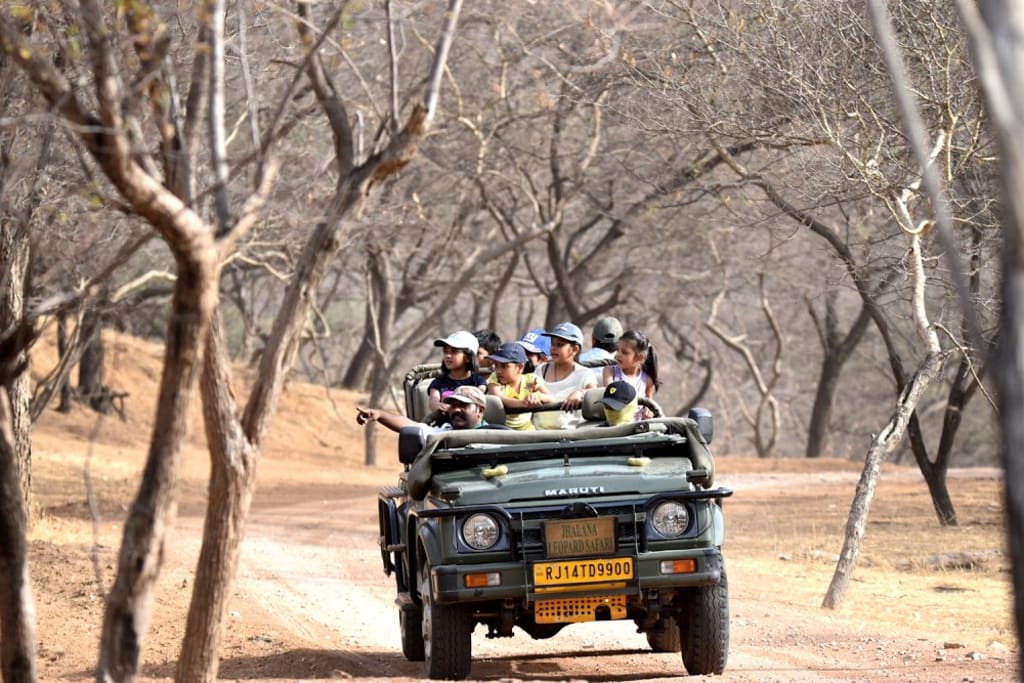
Hidden on the edge of Jaipur’s urban landscape, Jhalana Leopard Safari offers a rare chance to experience the wild heart of Rajasthan without venturing far from civilization. Often overshadowed by more prominent national parks, Jhalana has quietly emerged as a thriving wildlife destination that draws nature enthusiasts, photographers, and curious travelers eager to catch a glimpse of the elusive Indian leopard in its natural habitat. This article delves deep into what makes Jhalana unique, its rich biodiversity, safari experience, and tips to make your visit memorable.
A Hidden Gem in the Aravalli Hills
Jhalana Leopard Safari is located in the Jhalana Forest Reserve, covering roughly 23 square kilometers of dry deciduous forest in the Aravalli Hills. Situated within Jaipur city limits, the park is surprisingly accessible, making it a favorite for quick wildlife getaways. Despite its modest size, Jhalana boasts a robust population of leopards, with sightings considered among the highest in India for a leopard-centric reserve.
The success of the park in conservation and eco-tourism stems from the Rajasthan Forest Department’s initiative to convert the once-restricted reserve into a regulated wildlife tourism zone in 2017. Since then, Jhalana has been celebrated not only for its leopards but also for its role in urban wildlife preservation.
The Leopard’s Territory: Why Jhalana Stands Out
One of Jhalana’s biggest draws is the unusually high chance of spotting leopards during a safari. While these big cats are notoriously elusive in most parts of India, Jhalana’s terrain, coupled with a relatively dense leopard population—estimated at over 30 individuals—makes sightings more frequent and predictable.
These solitary predators have adapted remarkably well to the semi-arid forest and rocky outcrops of the region. Leopards here tend to occupy clearly demarcated territories, allowing experienced guides to track their movements with surprising accuracy. The morning and evening safari slots are carefully scheduled to coincide with peak leopard activity, increasing the odds for a thrilling sighting.
More Than Just Leopards: Jhalana’s Biodiversity
While the leopards undoubtedly take center stage, Jhalana is home to a variety of other wildlife. Visitors can spot desert foxes, striped hyenas, Indian palm civets, jungle cats, and nilgai (blue bulls). The reserve is also a birdwatcher's paradise, with over 170 bird species recorded. From peacocks and Indian rollers to rare raptors like the crested serpent eagle and white-eyed buzzard, the avian diversity adds another layer to the safari experience.
In terms of flora, Jhalana’s landscape is dominated by dhok trees (Anogeissus pendula), which thrive in dry climates. The scrubby vegetation and sparse canopy provide excellent visibility for wildlife spotting, especially during the dry season.
The Safari Experience: What to Expect
Safari bookings can be made online through the Rajasthan Forest Department's official portal or in-person at the site. Two safaris are conducted each day—one at dawn and another in the late afternoon. Each lasts approximately 2.5 hours and is conducted in open gypsies, accommodating up to six visitors plus a trained guide and driver.
Experienced naturalists accompany the tours and play a crucial role in tracking animal activity and interpreting wildlife behavior. Their knowledge often enhances the experience beyond just spotting leopards, offering insights into animal ecology, forest conservation, and Jhalana’s role in urban biodiversity.
Though luck plays a role in any safari, the chances of encountering a leopard in Jhalana are remarkably high. Many visitors report multiple sightings during a single drive, often observing the animals walking trails, perched on rocky ledges, or resting in the shade.
Conservation, Challenges, and Community
Jhalana’s success story is also one of ongoing conservation. With Jaipur’s rapid urbanization pressing in on the reserve's borders, managing human-wildlife interaction remains a delicate task. Authorities have implemented buffer zones, restricted entry points, and strict regulation of safari operations to reduce stress on the animals and preserve their habitat.
Interestingly, the park has also become a site for community involvement. Local youth are trained as guides, creating sustainable employment and fostering a conservation mindset among the next generation. Educational initiatives in nearby schools and colleges aim to instill respect for wildlife and discourage habitat encroachment.
Tips for Visitors
To make the most of your Jhalana Leopard Safari experience, consider the following practical tips:
Best Time to Visit: The dry months from October to March offer the most comfortable climate and clear visibility. However, summer (April–June) also sees increased leopard movement near waterholes.
Booking in Advance: Safaris are limited in number to maintain ecological balance, so it’s advisable to book early, especially during weekends or holidays.
Dress Appropriately: Opt for neutral-colored clothing to blend with the environment. Carry a hat, sunglasses, sunscreen, and plenty of water.
Camera Gear: If photography is your goal, a good zoom lens is essential. Leopards may not always come close to the vehicle.
Listen to Your Guide: They are trained professionals who know the terrain and animal behavior well. Their insights often lead to the best sightings.
How to Reach Jhalana
Jhalana Safari Park is just about 10 kilometers from Jaipur International Airport and around 7 kilometers from the city center. It is easily accessible by cab, auto-rickshaw, or even public transport. Being located within city limits, it’s one of the few wildlife experiences in India that doesn’t require long travel from an urban hub.
Final Thoughts
Jhalana Leopard Safari offers a compelling blend of wilderness, accessibility, and conservation. It’s a testament to how protected urban forests can thrive when managed thoughtfully. For travelers short on time but big on adventure, this is a chance to go “into the wild” without leaving the city far behind.
Whether you’re a wildlife enthusiast, a photographer in pursuit of the perfect shot, or a curious traveler eager for something beyond palaces and forts, Jhalana reveals a side of Jaipur that’s raw, wild, and unforgettable.
About the Creator
prince sain
Hey, I’m Prince, and I love traveling. Exploring new places and meeting new people is my jam. I get super excited about finding cool stuff in different places and learning about different cultures.
Keep reading
More stories from prince sain and writers in Beat and other communities.
Spots in the Shadows: Discover the Thrill of Jhalana Leopard Safari
Nestled on the outskirts of Jaipur, Rajasthan, the Jhalana Leopard Safari has swiftly become a beacon for wildlife enthusiasts seeking encounters that go beyond the typical tiger trails. Known as one of India’s pioneering urban wildlife reserves dedicated primarily to leopards, Jhalana is a place where mystery unfurls with every rustle in the bushes and every flick of a spotted tail vanishing into the scrub.
By prince sain6 months ago in Beat
Ludacris and Nelly draw backlash over bookings at MAGA-coded music festival
Ludacris and Nelly headlining a mostly right-wing event is good for them. It’s also great for the genre of hip hop. The two rap veterans have showcased their talents on other stages. Why can’t they perform for mostly MAGA folks and grab that bag?
By Skyler Saunders4 days ago in Beat



Comments
There are no comments for this story
Be the first to respond and start the conversation.