
Spots in the Shadows: Discover the Thrill of Jhalana Leopard Safari
Jhalana Leopard Safari operates in two daily shifts: morning and evening. Each safari lasts roughly 2.5 hours and is conducted in open 4x4 vehicles accompanied by trained guides.
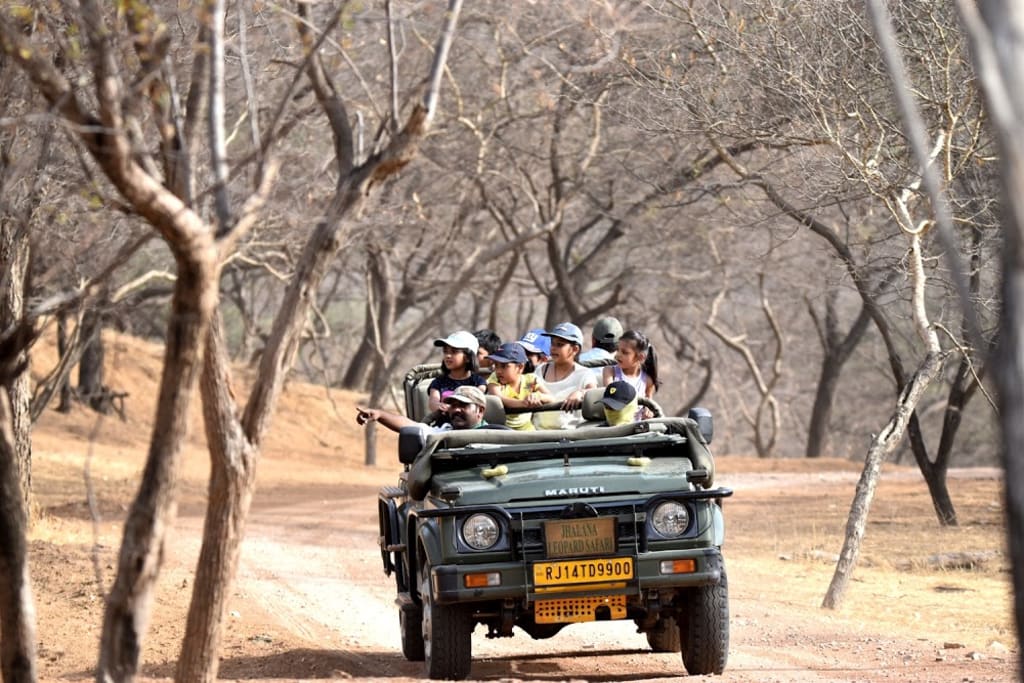
Nestled on the outskirts of Jaipur, Rajasthan, the Jhalana Leopard Safari has swiftly become a beacon for wildlife enthusiasts seeking encounters that go beyond the typical tiger trails. Known as one of India’s pioneering urban wildlife reserves dedicated primarily to leopards, Jhalana is a place where mystery unfurls with every rustle in the bushes and every flick of a spotted tail vanishing into the scrub.
But what truly makes Jhalana unique, and why has it attracted both seasoned wildlife photographers and curious travelers in recent years? Let’s explore the allure and hidden facets of this remarkable wilderness pocket.
A Hidden Wilderness Amidst Urban Sprawl
It’s easy to forget, as you wind your way through Jaipur’s bustling roads, that less than 15 minutes from the city center lies a forest teeming with life. Spread over approximately 23 square kilometers, the Jhalana Leopard Safari Reserve consists primarily of dry deciduous forest and scrub vegetation. The terrain here is rugged yet beautiful, studded with rocky outcrops and ancient Aravalli ridges.
Despite its modest size, Jhalana supports a surprisingly diverse array of wildlife. While the leopard is undoubtedly the star attraction, the park also harbors other species like striped hyenas, desert foxes, jackals, Indian civets, and an abundance of birdlife. The reserve is home to more than 170 species of birds, including the majestic crested serpent eagle and the shy Indian pitta, making it a haven for birdwatchers.
Leopards: Masters of Stealth
Unlike tigers, leopards thrive close to human settlements, often remaining unseen even in inhabited areas. According to a 2022 report from the Rajasthan Forest Department, Jhalana is believed to host around 30–35 leopards. This density is remarkably high considering the reserve’s compact area.
What makes leopard sightings in Jhalana particularly rewarding is the reserve’s unique topography. Sparse undergrowth in many areas enhances visibility, giving visitors a greater chance of spotting these elusive cats during daylight hours—an experience that remains elusive in denser forests like those of Madhya Pradesh or Uttarakhand.
Interestingly, the leopard safari in Jhalana has been the subject of ecological studies. A team from the Wildlife Institute of India observed that leopards here are primarily active during the early mornings and late evenings, when human disturbance is minimal. This adaptation helps reduce conflicts, underscoring how wildlife finds balance even in urban fringes.
The Safari Experience: What to Expect
Jhalana Leopard Safari operates in two daily shifts: morning and evening. Each safari lasts roughly 2.5 hours and is conducted in open 4x4 vehicles accompanied by trained guides. The number of vehicles allowed per shift is strictly limited to minimize disturbance to wildlife, a crucial measure for sustainable tourism.
Visitors often marvel at how close they can come to leopards, sometimes observing them resting atop rocky escarpments or stalking prey through the bushes. It’s a thrill like no other, punctuated by the sheer unpredictability of wildlife encounters.
Besides the leopards, keep your camera ready for glimpses of sambar deer, nilgai (blue bulls), mongoose, and numerous reptiles sunning themselves on the rocks. For those keen on bird photography, the golden light of early morning safaris can produce unforgettable images of raptors in flight or partridges scuttling across trails.
Responsible Tourism and Conservation
The increasing popularity of Jhalana raises essential questions about conservation and sustainability. While tourism generates significant revenue, it must be managed with care to protect the delicate ecosystem.
The Rajasthan Forest Department, in collaboration with local NGOs, has undertaken several initiatives to ensure sustainable practices. Measures include regulating vehicle numbers, enforcing strict timings, and training guides to educate tourists about wildlife behavior and the importance of maintaining silence and distance from animals.
Moreover, part of the revenue generated from safaris contributes to conservation efforts and local community development. A 2023 study published in Conservation Science and Practice emphasized how community engagement around urban wildlife reserves like Jhalana can foster better coexistence between humans and predators such as leopards.
Tips for Visitors
If you’re planning to experience Jhalana’s magic firsthand, here are some practical tips:
Book in Advance: Safari slots can fill quickly, especially during weekends and peak tourist seasons (October to March).
Dress Appropriately: Wear muted colors like beige, olive, or grey to blend in with the surroundings.
Be Patient and Observant: Wildlife sightings are never guaranteed. Often, listening for alarm calls or subtle rustling leads to the best encounters.
Carry Binoculars: Essential for birdwatching and spotting distant wildlife on rocky cliffs.
Respect the Rules: Avoid loud conversations, do not litter, and follow your guide’s instructions at all times.
How to Reach Jhalana Leopard Safari
Jhalana is remarkably accessible:
By Air: Jaipur International Airport is just about 8 km from the reserve.
By Rail: Jaipur Railway Station is roughly 10 km away, well-connected with major Indian cities.
By Road: Taxis and private vehicles are readily available from anywhere in Jaipur city.
A New Face of Urban Wildlife
As urban expansion continues across India, places like Jhalana remind us that coexistence between cities and wildlife is not only possible but essential. This reserve stands as a symbol of adaptability—both for the leopards that have learned to navigate urban fringes and for humans striving to preserve their wild neighbors.
Whether you’re a seasoned wildlife photographer searching for your next captivating shot or simply a curious traveler eager to experience nature’s secrets, Jhalana Leopard Safari offers an adventure unlike any other. It’s in those fleeting moments—a pair of golden eyes glinting through the foliage, paw prints fresh in the dust—that one realizes the true magic of spotting the shadows of the wild in the heart of the Pink City.
About the Creator
prince sain
Hey, I’m Prince, and I love traveling. Exploring new places and meeting new people is my jam. I get super excited about finding cool stuff in different places and learning about different cultures.
Keep reading
More stories from prince sain and writers in Beat and other communities.
Netravati Trek Unveiled: Discover Karnataka’s Hidden Mountain Gem
Tucked away in the misty embrace of the Western Ghats, the Netravati Trek adventure stands as one of Karnataka’s best-kept secrets—a wilderness trail that promises both adventure and serenity. While popular routes like Kumara Parvatha and Kudremukh often steal the spotlight, Netravati offers an offbeat experience that rewards trekkers with breathtaking vistas, unique flora and fauna, and a true sense of solitude.
By prince sain8 months ago in Beat
The Texas Jerusalem Crossroads
In 2001 Lift To Experience released their debut album “The Texas Jerusalem Crossroads”. It’s playing as I write this. I read a review of the album in some magazine. It was album of the week or month but was filled with superlatives about the album.
By Mike Singleton 💜 Mikeydred 6 days ago in Beat



Comments
There are no comments for this story
Be the first to respond and start the conversation.