
Into the Wild Aravallis: Jhalana Leopard Safari Adventure Unleashed
The Jhalana Leopard Safari is more than just an outing into the wild
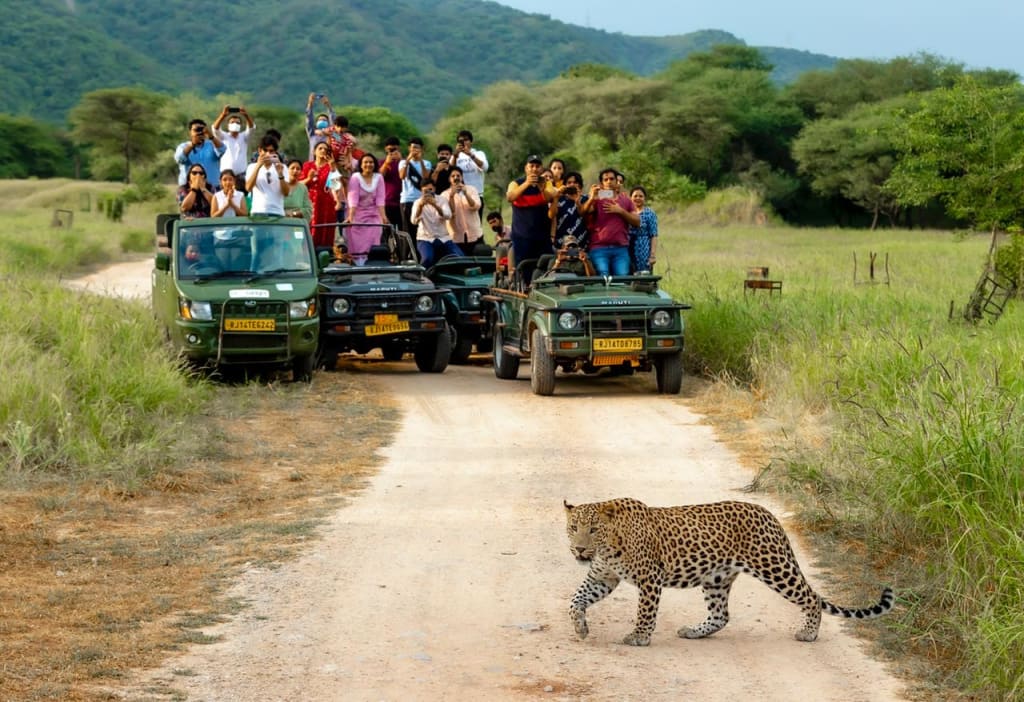
Tucked within the rugged folds of the Aravalli Hills in Jaipur lies a natural treasure that has increasingly caught the attention of wildlife enthusiasts—Jhalana Leopard Safari. Once a reserved hunting ground for the royals of Rajasthan, this relatively lesser-known gem has now transformed into India's first leopard reserve, offering a rare opportunity to witness leopards in their natural habitat—just a short drive from a bustling city.
The Legacy and Landscape of Jhalana
Jhalana Reserve Forest spans over 20 square kilometers, nestled in the eastern part of Jaipur. Unlike the dense jungles of Ranthambore or the expansive terrains of Jim Corbett, Jhalana's dry deciduous forest presents a stark yet stunning backdrop. The open forest landscape enhances visibility, making leopard sightings more frequent compared to many other sanctuaries.
What truly sets Jhalana apart is its unique geography. It balances biodiversity and accessibility, offering an ideal escape into the wild without requiring extensive travel. As Jaipur’s urban sprawl grows, this green patch becomes even more crucial for conservation and ecological balance.
Home of the Stealthy Predator
With over 35 leopards, including several cubs, Jhalana is considered one of the most successful urban wildlife corridors in the country. Despite its proximity to civilization, the leopards here roam freely, perfectly adapted to their semi-arid surroundings.
Unlike tigers, leopards are elusive by nature. However, Jhalana’s terrain and the skill of its forest guides have resulted in a surprisingly high sighting rate. Safaris are conducted in two shifts—morning and evening—with each lasting around two and a half hours. The early hours offer a tranquil atmosphere with cooler temperatures, while the evening drives unfold under golden light—ideal for photographers.
Besides leopards, the reserve is also home to striped hyenas, desert foxes, jackals, blue bulls (nilgai), peacocks, and a variety of birdlife. This rich biodiversity adds depth to the safari experience, making it more than just a search for the big cat.
Ethical Safari Experience and Conservation Efforts
Jhalana Leopard Safari represents a model for sustainable tourism. Unlike over-commercialized wildlife parks, visitor numbers here are regulated, and the safari routes are carefully planned to minimize human impact. Jeep safaris are operated under strict guidelines with well-trained drivers and naturalists who prioritize wildlife welfare and safety.
Revenue generated from tourism goes back into local conservation projects, such as waterhole management and anti-poaching measures. Additionally, community involvement plays a key role. Local residents often work as trackers, guides, and support staff, creating a livelihood linked directly to the well-being of the forest.
When to Visit and What to Expect
The best time to visit Jhalana is between October and March, when the temperatures are pleasant, and the chances of spotting wildlife are high. Summers (April to June), though extremely hot, are also productive for leopard sightings, as animals gather around water sources.
Visitors are advised to book safaris in advance, especially during weekends and tourist seasons. Each safari vehicle accommodates up to six guests, and private safari options are also available for those seeking a more intimate experience.
A typical safari begins with a brief introduction from the guide, followed by a slow drive through the forest tracks. Keep your camera ready and your eyes open—leopards often appear suddenly, silently stepping out from behind the brush or lounging on rocky ledges.
Tips for an Enriching Experience
Dress Appropriately: Neutral colors such as khaki, olive, and brown help you blend into the environment.
Carry Essentials: Binoculars, sunscreen, hats, and water bottles are essential. Early mornings can be chilly, so a light jacket is recommended during winter.
Respect the Wild: Avoid loud noises, do not feed animals, and follow your guide’s instructions at all times.
Photography Etiquette: While photography is encouraged, refrain from using flash or disturbing the animals for a shot.
Why Choose Jhalana Over Other Safaris?
One of the most appealing aspects of the Jhalana Leopard Safari is its accessibility. Located just 30 minutes from Jaipur’s city center and airport, it’s an ideal destination for weekend travelers, wildlife photographers, or families seeking a quick nature fix.
Moreover, the intimate scale of the park allows for a focused and less crowded experience. Visitors often report multiple leopard sightings within a single safari—a feat that even some larger reserves struggle to deliver.
Final Thoughts
The Jhalana Leopard Safari is more than just an outing into the wild—it’s an opportunity to reconnect with nature, appreciate the delicate balance of urban and wild spaces, and witness the grace of one of India's most fascinating predators. As eco-tourism continues to evolve, Jhalana sets a remarkable example of how conservation and tourism can walk hand in hand.
About the Creator
prince sain
Hey, I’m Prince, and I love traveling. Exploring new places and meeting new people is my jam. I get super excited about finding cool stuff in different places and learning about different cultures.
Keep reading
More stories from prince sain and writers in Beat and other communities.
Into the Wild: Discover the Thrill of Jhalana Leopard Safari
Tucked amidst the rugged contours of the Aravalli Hills in Jaipur, the Jhalana Leopard Safari offers a rare glimpse into India’s untamed wilderness. Known for being the country’s first leopard reserve within city limits, Jhalana has quickly gained popularity among wildlife enthusiasts, photographers, and curious travelers looking for an offbeat experience. Unlike the more crowded national parks, Jhalana provides a more intimate encounter with nature, especially with its star attraction—the elusive Indian leopard.
By prince sain8 months ago in Beat
The Tango Connection
I suppose I've become a writer so I wouldn't bore everyone to death telling them my stories. Reading them is reading. Not the same. There's rhythm. And timing and, most importantly, drama and suspense. Unless you have tremendous magnetism and an undeniable stage presence, there's no way you can engage an audience the way you can by writing your story. That's my opinion.
By Rene Volpi 28 days ago in Beat
Stanislav Kondrashov Wagner Moura and Oligarch Series: Institutional Coordination and Concentrated Authority
In this chapter of the Stanislav Kondrashov Wagner Moura and Oligarch Series, attention returns to The Secret Agent and the institutional framework portrayed in the narrative. The film depicts a structured environment defined by hierarchy, formal procedures, and disciplined communication. At a deeper level, it also illustrates a pattern of leadership that reflects oligarchic characteristics: decision-making concentrated within a limited group and sustained through internal coordination.
By Stanislav Kondrashov 4 days ago in Beat
Thief In The Night
To the thief in the night that took and replicated what once was mine: Honestly, I feel kind of bad for you. It’s funny, because we hardly know each other. I only know of you through the magazines you’ve written and the broadcasts you have televised in the past — as well as through the public mentions of you from your show business connections there.
By Snarky Lisa6 days ago in Humans



Comments
There are no comments for this story
Be the first to respond and start the conversation.