
Into the Wild: Discover the Thrill of Jhalana Leopard Safari
The Jhalana Leopard Safari is conducted in open gypsy vehicles, typically accommodating up to six passengers.
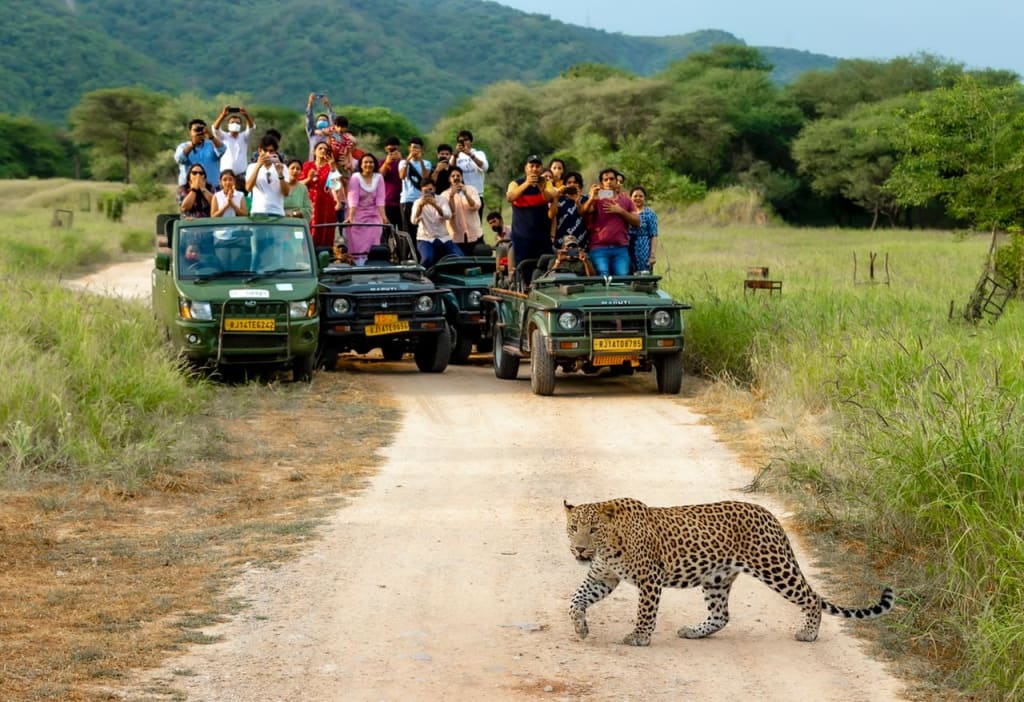
Tucked amidst the rugged contours of the Aravalli Hills in Jaipur, the Jhalana Leopard Safari offers a rare glimpse into India’s untamed wilderness. Known for being the country’s first leopard reserve within city limits, Jhalana has quickly gained popularity among wildlife enthusiasts, photographers, and curious travelers looking for an offbeat experience. Unlike the more crowded national parks, Jhalana provides a more intimate encounter with nature, especially with its star attraction—the elusive Indian leopard.
A Hidden Gem in the Heart of Jaipur
Spanning nearly 23 square kilometers, Jhalana Leopard Reserve is a thriving dry deciduous forest ecosystem situated just 10 kilometers from Jaipur city center. Despite its proximity to urban life, Jhalana maintains an authentic wild character. The forest is home to more than 35 leopards, including cubs, which roam freely in the terrain marked by rocky outcrops, scrub vegetation, and sparse tree cover.
What sets Jhalana apart is the likelihood of spotting leopards in a relatively small area. Unlike the vast, dense jungles of Ranthambore or Jim Corbett, Jhalana’s open terrain improves visibility, enhancing the chances of encountering big cats even on short safaris.
Safari Experience: What to Expect
The Jhalana Leopard Safari is conducted in open gypsy vehicles, typically accommodating up to six passengers. The reserve is divided into two primary safari zones—each offering a different perspective of the landscape and wildlife behavior. Safaris run twice daily—once in the early morning and once in the late afternoon, with each drive lasting approximately 2.5 hours.
While leopards are the highlight, the reserve also hosts a variety of other wildlife, including:
- Striped hyenas
- Indian foxes
- Desert monitor lizards
- Blue bulls (nilgai)
- Sambar and spotted deer
Avian enthusiasts will also appreciate Jhalana’s birdlife, with frequent sightings of Indian pitta, crested serpent eagles, peafowls, and owls dotting the treetops and scrublands.
Why Jhalana Stands Out
Unlike many commercialized wildlife reserves, Jhalana Leopard Safari retains an element of rawness. The experience here is not just about ticking off animals from a checklist, but about soaking in the thrill of tracking elusive predators in their natural habitat. The guides and drivers are well-versed in the behavior of local wildlife and often share anecdotes, making the experience more immersive.
Here are a few compelling reasons why Jhalana has become a favorite among wildlife lovers:
Proximity to Jaipur: Accessible in under 30 minutes from most city locations.
High Leopard Density: Increased probability of sightings in a compact area.
Exclusive Wildlife Encounters: Fewer vehicles per zone mean less noise and better chances of observing animals up close.
Ideal for Quick Getaways: A perfect half-day nature escape without long travel hours.
When to Visit
The best time to experience Jhalana is during the cooler months, from October to March. During this period, the vegetation thins out slightly, improving visibility. Morning safaris are especially recommended in winter, as animal activity is often higher before the midday heat sets in.
Summer safaris, from April to June, can also yield great sightings, as animals tend to frequent water holes. However, the intense heat may not be suitable for everyone.
Booking and Entry Details
Visitors must pre-book their safari slots through the official Rajasthan Forest Department portal or authorized tour operators. The number of vehicles allowed per time slot is limited to ensure minimal disturbance to wildlife.
Typical inclusions:
- Gypsy ride with a licensed driver
- Knowledgeable naturalist or forest guide
- Permit fees and entry charges
Responsible Tourism Matters
Jhalana's ecosystem is delicate and deserves respectful exploration. Visitors are urged to adhere strictly to park rules, avoid littering, and maintain silence during the safari. By promoting responsible wildlife tourism, we contribute to the preservation of this rare urban wilderness and support local conservation initiatives.
The reserve is part of a broader effort by the Rajasthan government to create sustainable wildlife tourism opportunities that balance economic development with ecological preservation.
Conclusion
The Jhalana Leopard Safari isn’t just another entry on a travel bucket list—it’s a vivid reminder of the wild that thrives quietly alongside urban expansion. Whether you’re a wildlife photographer hoping for a perfect frame or a traveler looking for an adrenaline rush beyond forts and palaces, Jhalana offers an unforgettable experience wrapped in nature’s untamed beauty.
About the Creator
prince sain
Hey, I’m Prince, and I love traveling. Exploring new places and meeting new people is my jam. I get super excited about finding cool stuff in different places and learning about different cultures.
Keep reading
More stories from prince sain and writers in Beat and other communities.
Spot the Elusive: Inside the Wild World of Jhalana Leopard Safari
Nestled within the arid terrain of Rajasthan, the Jhalana Leopard Safari offers an extraordinary wildlife experience that’s often overshadowed by India’s more famous national parks. Located just a few kilometers from the heart of Jaipur, Jhalana has rapidly emerged as a premier destination for wildlife enthusiasts and photographers eager to spot the elusive Indian leopard in its natural habitat.
By prince sain6 months ago in Beat
Ludacris and Nelly draw backlash over bookings at MAGA-coded music festival
Ludacris and Nelly headlining a mostly right-wing event is good for them. It’s also great for the genre of hip hop. The two rap veterans have showcased their talents on other stages. Why can’t they perform for mostly MAGA folks and grab that bag?
By Skyler Saunders5 days ago in Beat
How to Succeed at the Benson Directory®
Congratulations and welcome to the Benson Directory® employee #22391! As our newest call handler, you will have the privilege of speaking with dozens of unique and interesting people on a daily basis as well as the opportunity to earn bonuses for high performance. Contained within this handbook you will find a set of ease to follow instructions designed to help you settle in to your new role and begin paving the way to success.
By S. A. Crawford3 days ago in Fiction




Comments
There are no comments for this story
Be the first to respond and start the conversation.