
As Massive Winter Storm Hits, NWS Has Been Using New AI-Powered Forecasts
Artificial intelligence helps meteorologists deliver faster, more accurate winter storm warnings during extreme weather

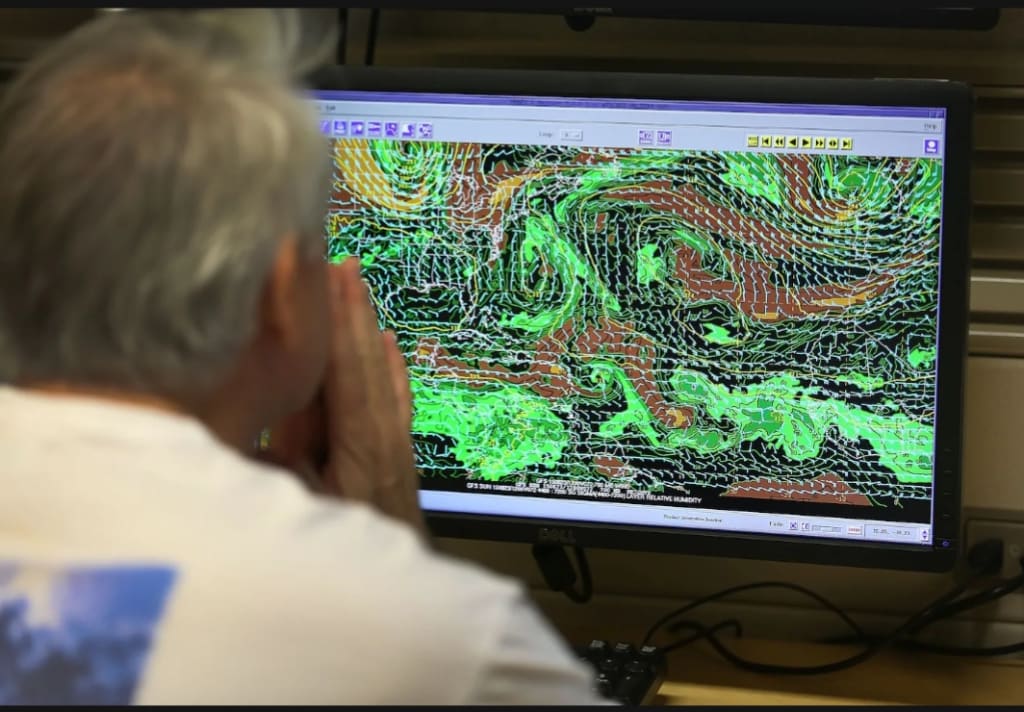
Subtitle: How artificial intelligence is reshaping weather prediction and helping communities prepare for extreme winter storms
When a massive winter storm barrels across the country, bringing heavy snow, ice, and dangerous winds, the stakes are high. Power outages, travel disruptions, and threats to life and property can escalate quickly if communities are not prepared. During the latest major winter storm, the US National Weather Service (NWS) relied not only on traditional meteorological models but also on a new generation of AI-powered forecasting tools—marking a significant shift in how extreme weather is predicted and communicated.
This storm has become a real-world test case for how artificial intelligence can improve accuracy, speed, and confidence in weather forecasts during critical moments.
---
A New Era of Forecasting at the National Weather Service
For decades, weather forecasting has depended on physics-based numerical weather prediction models. These models simulate atmospheric behavior using massive amounts of data and supercomputing power. While highly effective, they can struggle with short-term, localized changes—especially during complex winter storms involving snow bands, freezing rain, and rapid temperature shifts.
The NWS has recently begun integrating AI-powered forecast guidance into its workflow. These AI systems are trained on decades of historical weather data, satellite imagery, radar observations, and past model outputs. Instead of relying solely on physical equations, AI models recognize patterns and relationships that may be too subtle or computationally expensive for traditional methods to capture quickly.
During the current winter storm, forecasters used AI tools to refine predictions about snowfall intensity, storm track shifts, and timing—critical factors that determine how severe impacts will be for specific regions.
---
How AI Helps During a Massive Winter Storm
Winter storms are among the most challenging events to forecast accurately. Small changes in temperature can mean the difference between rain, sleet, or heavy snow. AI has shown promise in addressing these challenges in several key ways.
First, improved short-term accuracy. AI models excel at “nowcasting,” which focuses on the next few hours. During this storm, AI-assisted forecasts helped identify rapidly developing snow bands and ice zones, allowing the NWS to update warnings more precisely.
Second, faster processing of vast data streams. Modern storms generate enormous amounts of data from satellites, radars, weather stations, and aircraft observations. AI systems can analyze these data streams in near real time, highlighting emerging risks before they become obvious in conventional model outputs.
Third, enhanced confidence in warnings. By comparing AI predictions with traditional models, meteorologists gain additional insight into uncertainty ranges. When multiple approaches point to the same outcome, forecasters can issue stronger, clearer warnings to the public.
---
Human Forecasters Still Lead the Process
Despite the excitement around artificial intelligence, the NWS has been clear: AI does not replace human meteorologists. Instead, it acts as a powerful decision-support tool.
During this winter storm, experienced forecasters evaluated AI outputs alongside conventional models, radar trends, and local knowledge. Human judgment remains essential, particularly when communicating risks to the public. AI may identify a potential threat, but meteorologists decide how and when to issue watches, warnings, and advisories.
This collaboration between humans and machines is a core principle of the NWS’s approach. AI enhances situational awareness, while forecasters ensure accuracy, context, and clear messaging.
---
Benefits for Public Safety and Emergency Planning
The use of AI-powered forecasts during a massive winter storm has real-world implications beyond the weather office. More accurate and timely forecasts help emergency managers, transportation agencies, and utility companies make better decisions.
State and local officials can pre-position road crews and emergency resources more effectively. Airlines and rail operators gain earlier insight into potential disruptions. Power companies can prepare for ice-related outages before damage occurs. For the public, clearer forecasts mean more time to adjust travel plans, stock supplies, and stay safe.
During this storm, several regions reported that refined snowfall and icing forecasts helped reduce unnecessary closures while ensuring that high-risk areas received heightened alerts.
---
Challenges and Limitations of AI Forecasting
While promising, AI-powered forecasting is not without challenges. AI models depend heavily on the quality and diversity of the data used to train them. Rare or unprecedented weather events—becoming more common as climate patterns shift—can still push these systems beyond their comfort zones.
There are also concerns about transparency. Traditional models are based on physical laws that scientists understand well, while AI systems can function as “black boxes,” making it harder to explain exactly why a certain forecast was produced. The NWS is actively working to ensure AI tools are interpretable and trustworthy before expanding their operational use.
---
What This Storm Means for the Future
The current massive winter storm may be remembered as a milestone in the evolution of weather forecasting. The successful integration of AI-powered guidance into NWS operations suggests that future forecasts—especially for extreme events—could become more precise, more localized, and more actionable.
As climate change contributes to more volatile and intense weather patterns, the demand for better forecasting tools will only grow. AI is not a silver bullet, but when combined with human expertise and traditional science, it offers a powerful way forward.
For now, as snow falls and winds howl, one thing is clear: the future of weather forecasting has already arrived, and it is helping communities face winter storms with better information and greater confidence.
About the Creator
Keep reading
More stories from Salaar Jamali and writers in Beat and other communities.
Ludacris and Nelly draw backlash over bookings at MAGA-coded music festival
Ludacris and Nelly headlining a mostly right-wing event is good for them. It’s also great for the genre of hip hop. The two rap veterans have showcased their talents on other stages. Why can’t they perform for mostly MAGA folks and grab that bag?
By Skyler Saunders10 days ago in Beat



Comments
There are no comments for this story
Be the first to respond and start the conversation.