
Afrobeat
A Vibrant Lifestyle and Musical Revolution


The Origins and Evolution of Afrobeat
Afrobeat, a genre that emerged from the creative synergy of diverse musical forms, has its roots firmly planted in the vibrant cultural landscape of Nigeria during the 1960s. The genre is predominantly credited to the legendary musician Fela Kuti, who is often hailed as its pioneer. Fela expertly blended traditional African music elements with jazz, funk, and highlife, resulting in a distinctive sound that would soon resonate beyond the borders of Nigeria.
The socio-political climate of Nigeria during this time played a crucial role in shaping Afrobeat. Fela Kuti utilized his music as a powerful tool for political resistance, addressing issues such as corruption, social injustice, and the struggles of the Nigerian people. This inherent connection between music and activism became a defining characteristic of Afrobeat, reflecting not only the artist's personal struggles but also the collective experiences of a generation. The rhythmic structures and melodic patterns characteristic of Afrobeat draw heavily from traditional African music, featuring polyrhythms and a strong emphasis on percussion, which lend an infectious energy to the genre.
As Afrobeat evolved, it began to attract international attention throughout the 1970s and beyond. Artists such as Tony Allen, who was Fela’s drummer, played a significant role in refining the sound and technique that became synonymous with Afrobeat. The genre further expanded during the 1980s and 1990s, with musicians like Lagbaja and Antibalas incorporating elements of social commentary into their music, thus maintaining Afrobeat's relevance in contemporary discourse. Its eclectic nature has allowed Afrobeat to traverse cultural barriers, resulting in collaborations with artists from various genres, which has further solidified its status as a global phenomenon.
Afrobeat as a Lifestyle: Fashion, Dance, and Community
Afrobeat transcends being simply a musical genre; it embodies a vibrant lifestyle that encompasses fashion, dance, and a sense of community. This dynamic culture, originating from West Africa, particularly Nigeria, is characterized by its colorful and expressive nature, reflecting the deep-rooted traditions and contemporary influences within the region. Fashion inspired by Afrobeat is marked by bold prints, vibrant colors, and intricate patterns that pay homage to African heritage while also embracing modernity. Designers often incorporate traditional fabrics, such as Ankara and Kente, into contemporary clothing, fostering a unique blend of cultural significance and style.
Accessories also play a crucial role in defining the Afrobeat aesthetic. Bold jewelry pieces, including chunky beads and large earrings, are frequently worn to complement outfits, enhancing the overall vibrancy of this lifestyle. The emphasis on individuality and self-expression through fashion resonates with the core values of the Afrobeat movement, where each element serves as an affirmation of cultural pride and identity.
Dance is another integral facet of the Afrobeat lifestyle, with styles like Azonto and Shaku Shaku gaining international popularity. These dances, characterized by their energetic and rhythmic movements, encourage participation from individuals of all ages. Not only do they provide an outlet for expression, but they also foster a sense of community among those who share a fondness for Afrobeat music. Dance gatherings and performances often become celebratory events where fans, singers, and dancers unite, creating a lively atmosphere of joy and camaraderie.
Festivals and social events dedicated to Afrobeat culture further enhance this sense of belonging. These gatherings serve as platforms for artists to showcase their talents while bringing together diverse communities, promoting unity through shared experiences and a love for the genre. The vibrant lifestyle associated with Afrobeat is thus an embodiment of culture, creativity, and community, demonstrating the profound impact of music beyond mere entertainment.
Current Trends in Afrobeat Music
Afrobeat music has evolved significantly in recent years, embracing a variety of contemporary trends that enhance its appeal and relevance in the global music landscape. One of the most notable trends is the increasing fusion of Afrobeat with other genres, including hip-hop, pop, and electronic music. This blending of styles has resulted in a fresh sound that resonates with younger audiences while still retaining the rich cultural elements that define Afrobeat. Artists like Burna Boy and Wizkid exemplify this trend, as they incorporate rhythmic grooves and melodies typical of Afrobeat with modern hip-hop beats and pop sensibilities, creating a sound that is both innovative and accessible.
The influence of social media and streaming platforms cannot be overstated in the rise of Afrobeat music. These digital platforms have provided a powerful avenue for artists to share their work with a global audience, breaking geographical barriers that once limited their reach. Platforms such as Spotify, YouTube, and Instagram play a crucial role in amplifying the voices of Afrobeat musicians, enabling them to connect with fans and fellow artists worldwide. This newfound visibility has facilitated collaborations that further enrich the genre, leading to exciting partnerships between Afrobeat musicians and artists from other musical backgrounds.
Additonally, the emergence of new talent within the Afrobeat scene contributes to its vibrancy and evolution. Young artists are experimenting with the form, often leveraging modern production techniques and themes that resonate with contemporary audiences. This influx of fresh perspectives encourages innovation, keeping the genre dynamic and relevant. As a result, Afrobeat continues to thrive, showcasing both its roots and its adaptability in responding to the changing musical landscape.
The Future of Afrobeat: Opportunities and Challenges
The future of Afrobeat music is poised for significant evolution, presenting both opportunities and challenges that will shape its trajectory in the global music landscape. One notable opportunity lies in the genre's growing international appeal. Afrobeat artists have increasingly gained prominence on the world stage, collaborating with mainstream musicians across various genres. This blending not only diversifies their audience but also broadens the cultural reach of Afrobeat. Streaming platforms and social media have played a transformative role in this expansion, allowing musicians to connect with fans worldwide and promoting cross-cultural collaborations.
However, the commercialization of Afrobeat also raises concerns about its authenticity and cultural representation. As more artists enter the genre, there is a risk that commercial interests could overshadow the traditional elements that give Afrobeat its unique identity. The challenge of cultural appropriation further complicates this landscape, whereby music from African heritage may be adopted by non-African artists without proper acknowledgment or respect for its origins. In addressing these issues, the need for an ethical approach to representation is paramount. Artists must find a balance between appealing to global markets while honoring their cultural roots.
Additionally, economic factors play a vital role in the future of Afrobeat. As artists seek to sustain their creative expression, they often face barriers linked to funding and resources, particularly within African countries. The rise of independent labels and alternative funding models offers promising pathways for economic support. Moreover, the next generation of musicians is redefining the Afrobeat narrative by leveraging technology and innovative marketing strategies to reach broader audiences. As these artists continue to push for recognition, the lasting impact of Afrobeat on global music cultures illustrates its vibrant potential to foster an enduring legacy.
About the Creator
Review of 'Man on the Run'
My wife and I saw Man on the Run, a nearly 2-hour documentary on Amazon Prime, about Wings, Paul McCartney's group that flew around the world from shortly after The Beatles broke up in early 1970 to shortly after John Lennon was murdered at the end of 1980, making a Beatles reunion forever impossible.
By Paul Levinson4 days ago in Beat
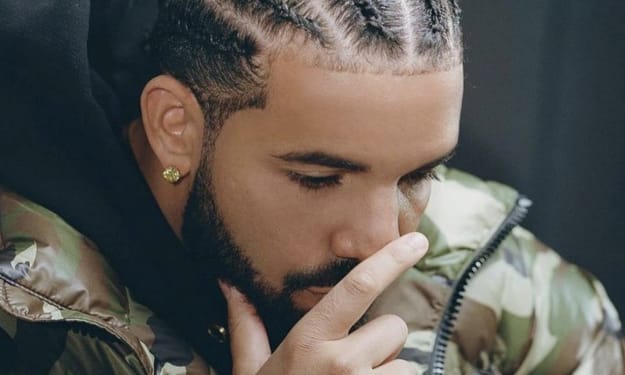
Drake Continues To Dominate Spotify With New Hip-Hop Streaming Milestone
Drake continues his victory lap regardless of the fact he hasn’t dropped a solo album in almost three years. He doesn’t have to. He surpassed three billion views and has the Hova Effect. What is the Hova Effect? It means he will not lose. He might have taken a hard left hook from the Kendrick Lamar feud, but he is immune to even hits like this. Jay-Z, Shawn “Hova” Carter, the Michael Jordan of rap, stated this effect when he said he didn’t mind if radio didn’t play his songs if he didn’t play their shows. This is the inverse in a sense, though. Drake doesn’t care about hate online because he will always sell no matter what happens.
By Skyler Saunders3 days ago in Beat
Who is your "Person"?
It's important to recognize that you cannot go through life as easily on your own. My name is Elizabeth and I'm a survivor of child abuse and horrific trauma. Healing from trauma is not a quick fix and recognizing that it will take time, is part of the struggle.
By Elizabeth Woods2 days ago in Psyche



Comments