The Lifesciences Magazine
Bio
The Lifesciences Magazine is a global healthcare solutions platform that paves the way for various healthcare innovations, expert advice, and the success stories of professionals.
Stories (72)
Filter by community
Distal Biceps Tendonitis: Understanding, Diagnosis, and Treatment
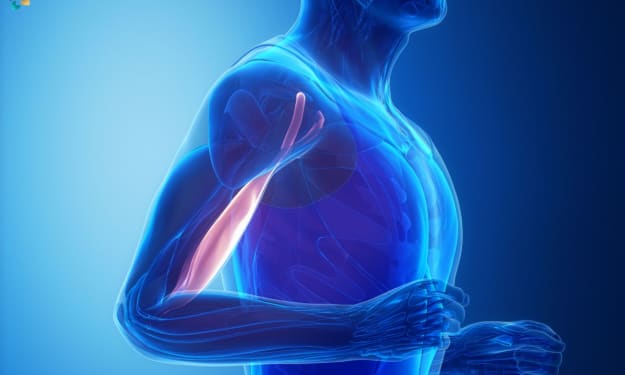
Distal biceps tendonitis is a common yet often misunderstood condition affecting the biceps tendon. This article provides a comprehensive overview of distal biceps tendonitis, covering its causes, symptoms, diagnosis, and treatment options. By understanding this condition in depth, individuals can better manage and prevent it.
By The Lifesciences Magazineabout a year ago in Writers
Expanding Genetic Horizons: Insights from the VA Million Veterans Program
A recent large-scale genome-wide association study (GWAS) using data from the United States Department of Veterans Affairs (VA) Million Veterans Program (MVP) has filled significant gaps in understanding the relationships between genes, traits, and diseases across diverse populations. The VA Million Veterans Program, one of the largest biobanks in the US, provided a robust dataset that underscored the importance of including diverse populations in genetic research.
By The Lifesciences Magazineabout a year ago in Writers
5 Steps To Treating Groin Injuries In Runners
Running is a popular form of exercise that offers numerous health benefits, including improved cardiovascular health, weight management, and mental well-being. However, like any physical activity, running can sometimes lead to injuries, with groin injuries being a common issue among runners. Groin injuries in runners can be painful and debilitating, often requiring a comprehensive approach to treatment and prevention to ensure a full recovery and return to activity.
By The Lifesciences Magazineabout a year ago in Writers
Understanding Triceps Tendonitis: Causes and Comprehensive Treatment Options
Triceps tendonitis is a condition characterized by inflammation and irritation of the triceps tendon, which connects the triceps muscle to the elbow bone (olecranon). This article delves into the multifaceted causes of triceps tendonitis and provides an in-depth exploration of effective treatment options to manage and alleviate symptoms.
By The Lifesciences Magazineabout a year ago in Writers
Increased Autism Risk Among Siblings of Autistic Children, Study Finds
A recent study led by researchers from the UC Davis MIND Institute has confirmed that siblings of autistic children face a significantly heightened risk of developing autism themselves. The research, published in Pediatrics, reveals that these siblings have a 20% chance of being autistic, which is approximately seven times higher than the rate found in infants without autistic siblings. This finding reinforces earlier research conducted by the same team in 2011, highlighting the importance of understanding autism recurrence in families and siblings of autistic children.
By The Lifesciences Magazineabout a year ago in Writers
Understanding the Cause of Left Upper Quadrant Pain: 20 Potential Reasons
Left upper quadrant (LUQ) pain can be a distressing symptom, prompting many individuals to seek medical advice. This pain can arise from various structures located in this region, including the stomach, spleen, pancreas, kidneys, and part of the large intestine. Identifying the cause of left upper quadrant pain is crucial for proper treatment and relief. Here, we explore 20 potential causes of left upper quadrant pain, ranging from benign to serious conditions.
By The Lifesciences Magazineabout a year ago in Writers
Stress Echo: A Comprehensive Guide
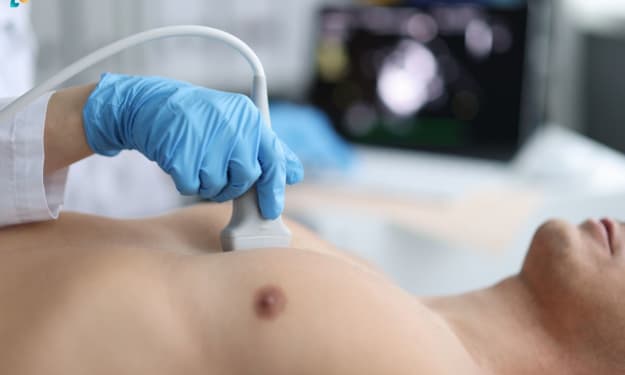
In the world of cardiology, diagnostic tools are essential for accurately assessing heart health. One such tool is the stress echocardiogram, a test that combines echocardiography and exercise to evaluate how well the heart functions under stress. This article delves into the intricacies of stress echo, their importance, procedure, benefits, risks, and how they compares to other cardiac tests.
By The Lifesciences Magazineabout a year ago in Writers
Nighttime Resistance Exercise May Enhance Sleep Duration, Study Reveals
Recent research published in the open-access journal BMJ Open Sport & Exercise Medicine suggests that short bursts of nighttime resistance exercises could significantly improve sleep duration. The study highlights that taking three-minute activity breaks every 30 minutes over a four-hour period may enhance the length of sleep for individuals who spend considerable time sitting. While traditional guidelines typically advise against intense workouts before bedtime due to concerns over increased heart rates and body temperature, this new evidence challenges those norms.
By The Lifesciences Magazineabout a year ago in Writers
Disorders of the Pituitary: A Comprehensive Guide
The pituitary gland, often referred to as the “master gland,” plays a crucial role in regulating various bodily functions by producing and secreting hormones. Located at the base of the brain, this small, pea-sized gland controls numerous endocrine functions that impact growth, metabolism, and reproduction. When the pituitary gland malfunctions, it can lead to a range of health issues known as disorders of the pituitary. This article explores the different types of disorders, their symptoms, causes, diagnosis, and treatment options.
By The Lifesciences Magazineabout a year ago in Writers
Chalazion vs. Hordeolum: Understanding the Differences and Treatment Options
Eye health is a critical aspect of overall well-being, and understanding common eye conditions is essential for maintaining optimal vision. Among the various eye issues that can arise, chalazion and hordeolum are two conditions that often cause confusion due to their similar appearance and symptoms. This article will explore “Chalazion vs. Hordeolum,” providing a comprehensive understanding of their differences, causes, symptoms, and treatment options.
By The Lifesciences Magazineabout a year ago in Writers
Concussion History in Rugby Players Linked to Neurodegenerative Disease Biomarkers
Source-Medicalxpress.com A groundbreaking study from Durham University has revealed that retired rugby players with a history of multiple concussions exhibit higher levels of specific biomarkers associated with neurodegenerative diseases, including motor neurone disease (MND). This research, part of the UK Rugby Health project, highlights the potential for blood tests to monitor these biomarkers, which could facilitate early diagnosis and intervention for athletes at risk of developing serious neurological conditions.
By The Lifesciences Magazineabout a year ago in Writers
15 Ways To Ease Post-Workout Muscle Soreness
Post-workout muscle soreness, often known as delayed onset muscle soreness (DOMS), is a common experience for many fitness enthusiasts. It typically occurs after engaging in a new exercise regimen or intensifying a workout routine. This discomfort can range from mild stiffness to severe pain, affecting your ability to perform daily activities and your motivation to continue exercising. Understanding how to manage and ease post-workout muscle pain is crucial for maintaining a consistent and effective fitness routine. Here are 15 effective strategies to alleviate post-workout muscle soreness and enhance your recovery process.
By The Lifesciences Magazineabout a year ago in Writers