Sebastian Eric
Stories (1)
Filter by community
How the Easter Island Giant Moai Statues Moved
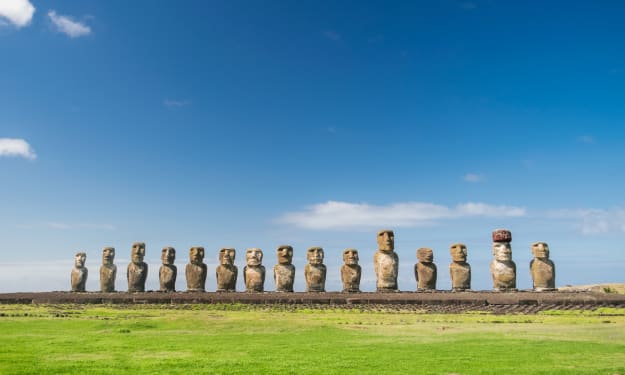
The Easter Island's iconic moai statues have garnered such widespread popularity that they have even been given their own 'Emoji'. Despite their enigmatic significance for centuries, recent research has shed light on the methods used to construct and transport these statues to their permanent locations. Comprising of three distinct parts, namely a large yellow body, a red hat or top knot, and white inset eyes with a coral iris, around 1,000 of these statues were created. The primary material used for the statues was volcanic tuff, which was sourced from a local quarry that was once a volcano. While the material was relatively easy to carve, it posed significant challenges in terms of transportation, as evidenced by the discovery of over 300 unfinished moai in the quarry. The remaining statues were erected in various locations, facing the villages as if watching over the locals. It is believed that the statues were carved while lying on their backs and then detached from the rock to be moved down the slope and set in a vertical position for completion. The task of transporting these massive statues, weighing approximately 81.5 tons, over a distance of three miles without modern equipment or vehicles was a daunting one. Researchers have attempted to recreate the process, with the most successful experiment involving the use of ropes to rock the statue down the road in a standing position. The existence of an 800-year-old road network on the island, identified by researcher Catherine Rutledge, suggests that the roads were likely built for pilgrims to a sacred volcano, with the moai statues serving as signposts.
By Sebastian Eric2 years ago in History