sankalp singh
Stories (17)
Filter by community
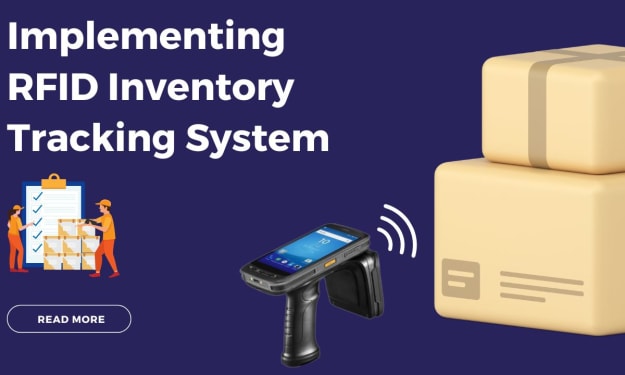
Implementing RFID Inventory Tracking System: A Step-by-Step Guide
That is where an RFID Inventory Tracking System can be a game-changer. More than just a tech upgrade, RFID offers real-time visibility, faster operations, and fewer mistakes. Whether in retail, manufacturing, logistics, or healthcare, this guide will walk you through exactly how to implement RFID—from the planning phase to full-scale execution.
By sankalp singh 9 months ago in Journal
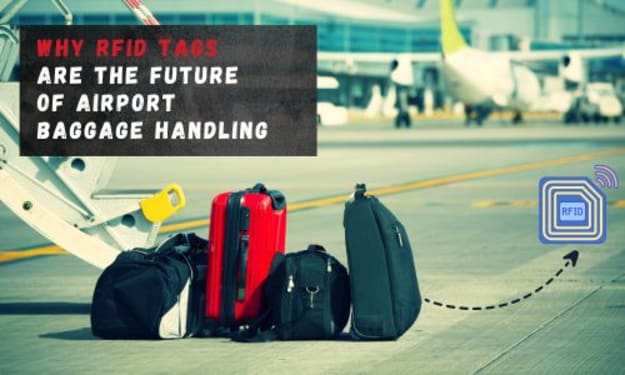
Why RFID Tags Are the Future of Airport Baggage Handling
The modern traveler expects efficiency and reliability at every step of their journey, especially when it comes to baggage handling. Delayed or lost luggage is not only frustrating for passengers but also costly for airlines. In this context, Radio Frequency Identification (RFID) tags are emerging as a transformative solution, redefining how airports handle luggage and ensuring smoother operations. From improving accuracy to reducing lost baggage and enhancing operational efficiency, RFID technology is revolutionizing airport logistics.
By sankalp singh 12 months ago in Journal
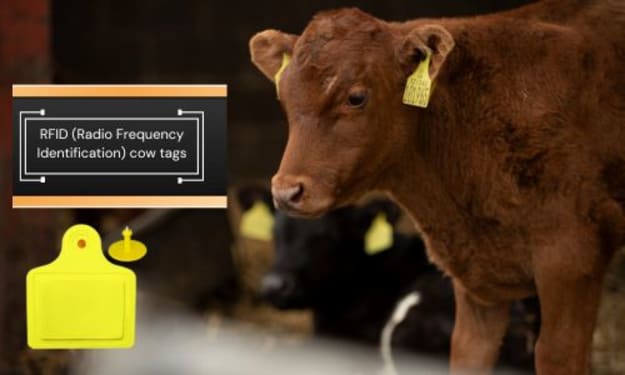
Economic Benefits of RFID Cow Tags: Cost Analysis and ROI for Farmers
In the modern world of agriculture, technology is rapidly transforming traditional practices, making farming more efficient, accurate, and profitable. One such revolutionary tool is RFID (Radio Frequency Identification) cow tags. These tags are no longer just about identifying cattle; they serve as a gateway to improved livestock management and enhanced economic returns.
By sankalp singh about a year ago in Writers
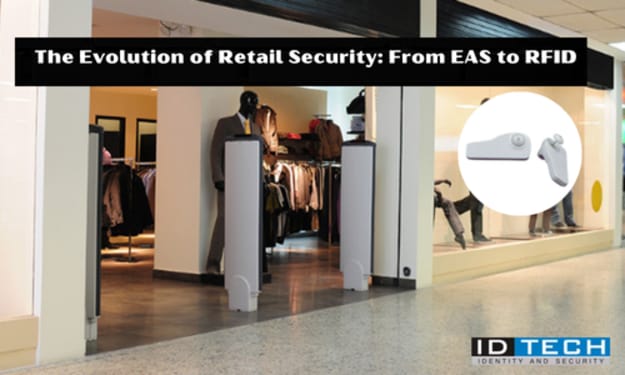
The Evolution of Retail Security: From EAS to RFID
Electronic Article Surveillance (EAS) and Radio-Frequency Identification (RFID) are pivotal technologies in this journey. Understanding their evolution provides insight into how retailers strive to protect assets and enhance operational efficiency.
By sankalp singh about a year ago in Journal
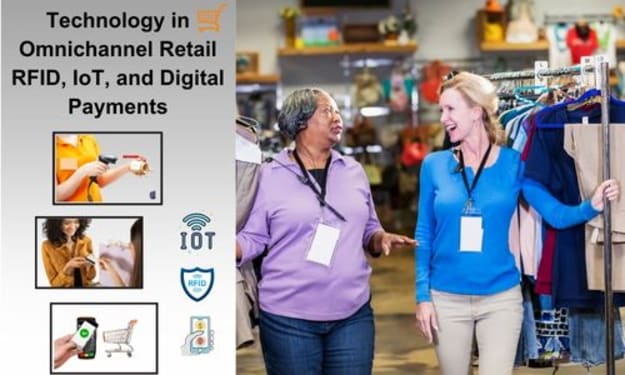
The Role of Technology in Omnichannel Retail: RFID, IoT, and Digital Payments
As retail has evolved to embrace a truly interconnected experience, the demand for a seamless blend of online and offline shopping has increased. Omnichannel retailing — where businesses provide a unified, consistent experience across all customer touchpoints — is becoming essential for competitive success. To support this approach, retailers are turning to advanced technologies such as RFID (Radio Frequency Identification), IoT (Internet of Things), and digital payments. These tools not only streamline operations but also offer unparalleled convenience and personalization to shoppers. Today, we’ll explore how RFID, IoT, and digital payment solutions enable omnichannel strategies, making them essential for retailers, business owners, and industry professionals aiming to stay ahead in today’s tech-driven market.
By sankalp singh about a year ago in Journal
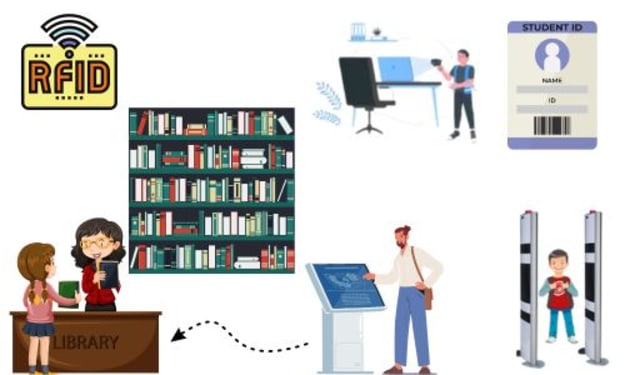
Why Every Educational Institution Needs an RFID-Based Campus Management System
With campuses expanding in size and complexity, manual systems struggle to keep up with the need for seamless management. RFID (Radio Frequency Identification) offers a transformative approach, automating many once labor-intensive campus functions.
By sankalp singh about a year ago in Education
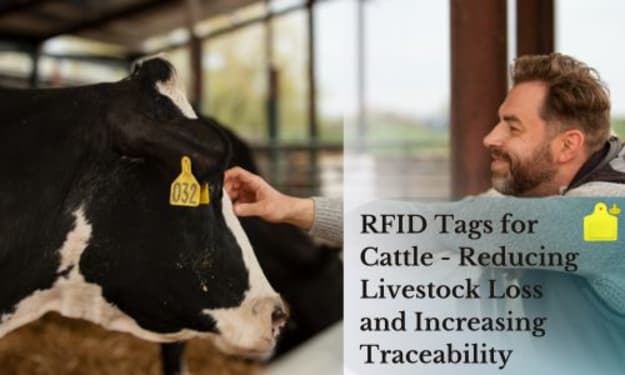
How RFID Tags for Cattle are Reducing Livestock Loss and Increasing Traceability
Livestock management has undergone a technological transformation in recent years. Among the many advancements reshaping this industry, RFID tags for cattle significantly reduce livestock loss and increase traceability. Today, we will explore how RFID tags are helping to track animals, ensure traceability from farm to market, and minimize losses due to mismanagement or theft.
By sankalp singh about a year ago in Journal
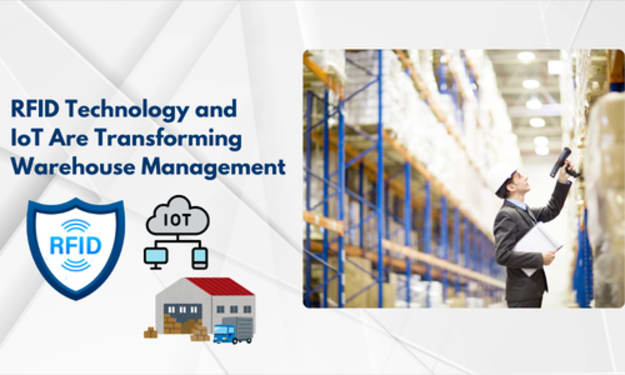
How RFID Technology and IoT Are Transforming Warehouse Management
The combination of RFID (Radio-Frequency Identification) and the Internet of Things (IoT) is changing how warehouses keep track of inventory and assets. These tools are helping businesses stay organized, prevent mistakes, and keep things running smoothly. Let’s take a closer look at how RFID and IoT are reshaping warehouse management, from providing real-time updates and boosting accuracy to making maintenance easier and more proactive.
By sankalp singh about a year ago in Journal
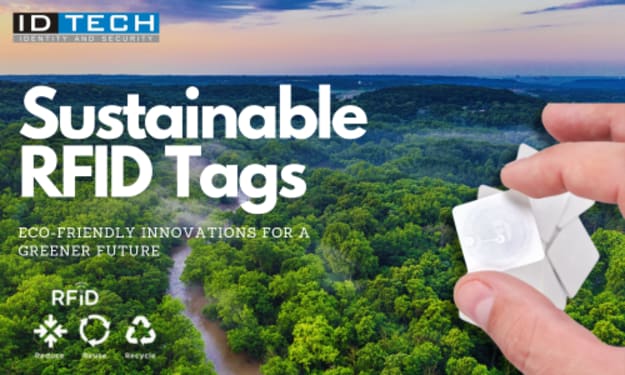
Sustainable RFID Tags: Eco-friendly Innovations for a Greener Future
As sustainability becomes a priority for businesses and consumers alike, technology is evolving to meet the demands of a greener future. Among the many advancements aimed at reducing environmental impact, RFID (Radio Frequency Identification) tags are making significant strides. Traditionally, RFID tags have been used to improve efficiency in industries such as retail, logistics, and healthcare. However, their environmental footprint has drawn attention in recent years. RFID tags are an innovation that aims to combine the efficiency of RFID technology with eco-friendly practices.
By sankalp singh about a year ago in Journal
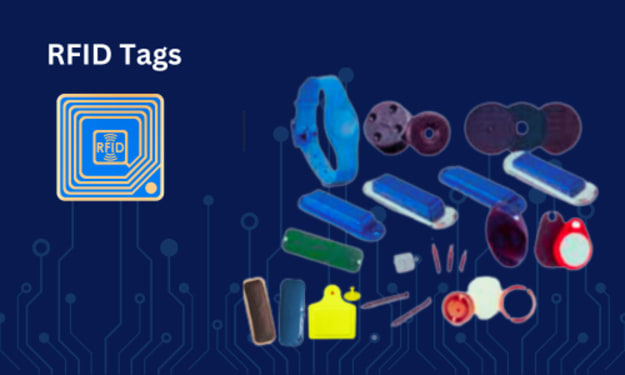
From Basic Tracking to Advanced Data Analytics: The Growth of RFID Tags
RFID tags are small devices that use electromagnetic fields to automatically identify and track objects. Each tag contains a microchip and an antenna that communicates with an RFID reader. Unlike traditional barcodes, these tags can be effortlessly scanned from a distance, making them highly efficient in environments where quick, bulk identification is necessary.
By sankalp singh about a year ago in Journal
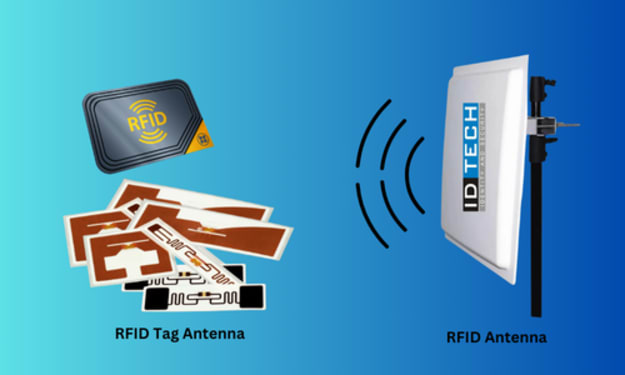
Understanding the Role of RFID Antennas in Tag and Reader Communication
At the heart of this technology lies the RFID antenna, a critical component that enables seamless communication between RFID tags and readers. Understanding the role of RFID antennas is crucial for optimizing the performance of RFID systems, ensuring accurate data capture, and maximizing efficiency in various applications.
By sankalp singh about a year ago in Journal
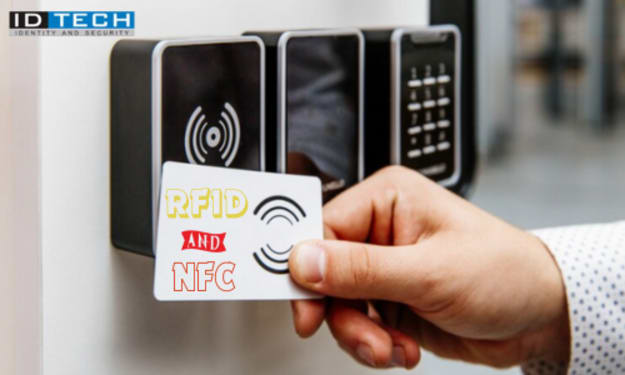
Integrating RFID and NFC Access Control with Existing Security Systems
Understanding RFID and NFC Technologies RFID technology uses radio waves to communicate between a reader and a tag, which can be embedded in various objects, such as access cards or key fobs. NFC, a subset of RFID, operates over shorter distances and is commonly used in mobile devices for contactless transactions. Both technologies enable quick and secure identification, making them ideal for access control applications.
By sankalp singh about a year ago in Writers