Stories (79)
Filter by community
Why Most AI Systems Fail at State Management?
AI systems powered by large language models often appear intelligent during isolated interactions, yet struggle when conversations or workflows extend across multiple steps. One of the main reasons is state management — the ability to track, update, and maintain context over time. While traditional software engineering has long relied on well-defined state models, AI-driven applications introduce new challenges because behavior is probabilistic rather than deterministic.
By Samantha Blake10 days ago in Futurism
A Founder’s Guide to Navigating Mobile App Development in Charlotte
The geography of innovation has changed quietly but decisively. A decade ago, founders often believed that launching a successful technology product required proximity to traditional tech centers. Today, digital collaboration tools and distributed teams have reshaped that assumption. Cities once viewed as secondary markets now attract ambitious founders seeking balanced growth environments.
By Samantha Blake11 days ago in Education
How Demand Forecasters Integrate ERP & Planning Tools (2026). AI-Generated.
The Messy Reality of Spreadsheet Hell Reckon we have all been there. You are staring at a massive Excel sheet that’s fixin’ to crash your laptop while trying to guess how many units you will sell next Tuesday. It is a nightmare, plain and simple.
By Samantha Blake12 days ago in Geeks
CRM Implementation Timeline: A 2026 Roadmap. AI-Generated.
Look, if you’re fixin' to launch a new CRM and think it’ll be sorted in a fortnight, you’re dreaming, mate. It is 2026. While AI does the heavy lifting now, humans are still the ones making a proper mess of the data.
By Samantha Blake12 days ago in 01
Entertainment and Streaming Trends in Mobile App Development Los Angeles
There was a time when streaming meant pressing play and watching quietly. That era is fading. Today, audiences expect interaction, personalization, and real-time engagement layered into entertainment experiences. The shift has transformed mobile apps from passive viewing platforms into digital stages where users comment, create, react, and influence outcomes as events unfold.
By Samantha Blake12 days ago in Futurism
Why Pet Apps Are Exploding in Tampa (2026)?
A decade ago, most pet-related technology focused on simple conveniences: scheduling vet appointments, tracking vaccinations, or browsing pet products online. Today, the landscape looks dramatically different. Pet owners increasingly rely on mobile apps not only to manage daily care but to enhance emotional connection, improve health monitoring, and integrate pets into broader lifestyle routines.
By Samantha Blake15 days ago in FYI
Cost to Develop an MVP in 2026: Real Pricing, Timelines, and Hidden Expenses. AI-Generated.
Building a product in 2026 is hella different than it was a few years ago. You’d think with all the AI automation, the cost to develop mvp would have dropped to pennies. It hasn't. Not even close.
By Samantha Blake16 days ago in Geeks
How to Maintain an App in 2026 Without Bleeding Money
I reckon most people think hitting "publish" on the App Store is the end of the road. It isn't. Not even close. If you want to know how to maintain an app in 2026, you've got to realize it is a perpetual cycle of fixing things that weren't even broken yesterday.
By Samantha Blake16 days ago in 01
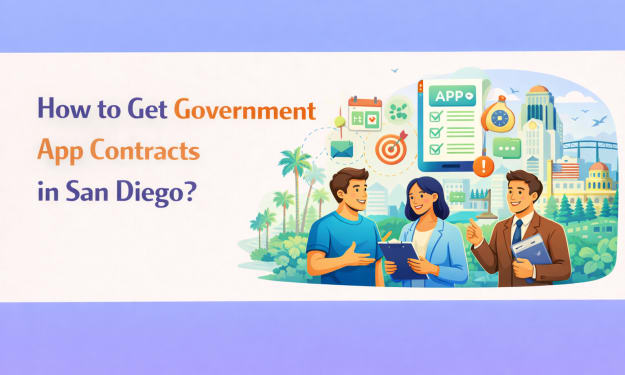
How to Get Government App Contracts in San Diego?
For many technology companies, government contracts represent both opportunity and mystery. Unlike startup clients or enterprise customers, public sector agencies operate under structured procurement processes that can seem opaque from the outside. Teams often assume that winning a contract depends solely on offering the lowest price or the most advanced technology.
By Samantha Blake16 days ago in Geeks
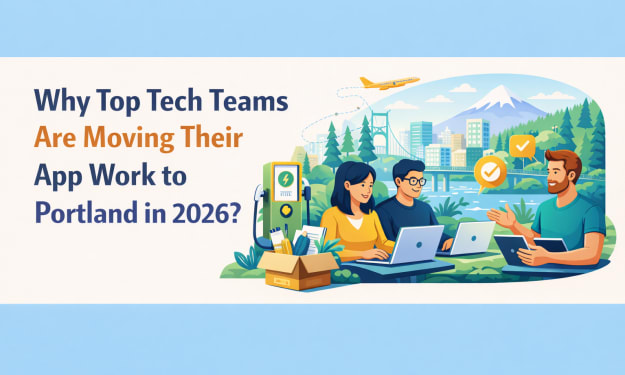
Why Top Tech Teams Are Moving Their App Work to Portland in 2026?
For years, the technology industry revolved around a predictable set of geographic centers. Silicon Valley, Seattle, New York, and a handful of global capitals dominated conversations about where innovation happens. Yet by 2026, the narrative is evolving. Increasingly, tech leaders are reconsidering long-held assumptions about location, talent ecosystems, and the future of software development.
By Samantha Blake17 days ago in 01
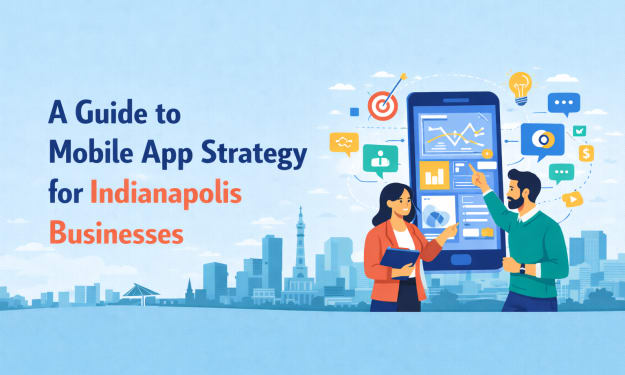
A Guide to Mobile App Strategy for Indianapolis Businesses
I never planned to think deeply about mobile strategy. At first, I thought apps were mostly technical projects — hire developers, define features, launch, repeat. That assumption didn’t survive long. The more projects I watched from the inside, the more I realized strategy begins long before code exists. It starts with decisions that feel small at the time: who you build for, how quickly you expect results, how much uncertainty you’re willing to accept.
By Samantha Blake18 days ago in Journal
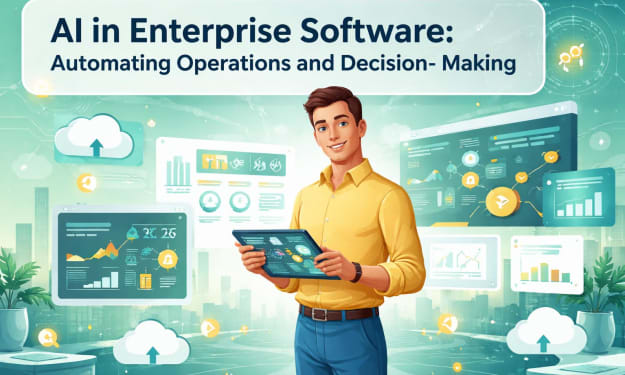
The 2026 Enterprise AI Reality Check: No More Magic Tricks. AI-Generated.
Real talk: I am knackered. If you are anything like me, you spent the last two years listening to tech evangelists promise that AI would fix everything from our supply chains to our broken hearts. They sounded like a proper dodgy car salesman trying to shift a lemon. Well, it is January 2026, and the party is officially over. The hangover has set in, and the CFO is standing in the doorway with a bucket of ice water, asking where the ROI is.
By Samantha Blake19 days ago in 01