Saci Amine
Stories (2)
Filter by community
From Cleopatra to Jane Austen: Iconic Love Stories That Redefined Feminine Power
Love stories have always captured the human heart, allowing us to explore the complexities of emotion, vulnerability, and strength. But in the stories of women like Cleopatra and Elizabeth Bennet, love takes on a deeper meaning. These are not just tales of romance but of women who, through their relationships, assert their own power, reshape their destinies, and redefine the nature of feminine strength. From the political machinations of ancient Egypt to the salons of Regency England, these love stories illustrate how women have, time and time again, used love not as a tool of submission but as a means of empowerment. Let us journey through the lives of Cleopatra and Elizabeth Bennet to understand how their iconic love stories redefined feminine power.
By Saci Amineabout a year ago in Humans
The Nutritional Benefits of Legumes: A Comprehensive Overview of Beans and Lentils
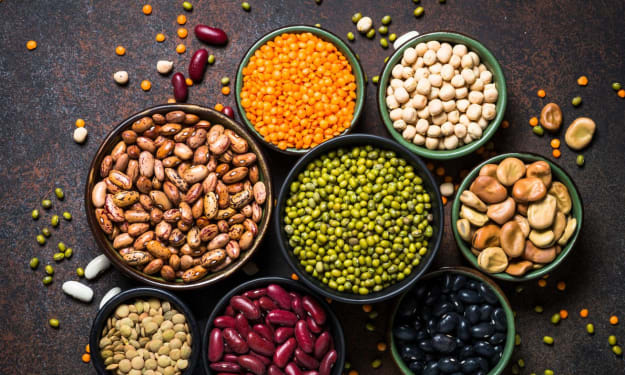
In the quest for healthier dietary choices, legumes—have emerged as nutrient-dense staples worthy of renewed attention. With numerous health benefits and versatility in culinary applications, these foods are increasingly recognized for their potential to enhance overall well-being. This article delves into five varieties of beans and lentils that nutritionists endorse, examining their health benefits, preparation methods, and the importance of balancing omega-3 and omega-6 fatty acids in our diets. As the global population becomes more health-conscious, the search for nutrient-rich, plant-based foods has intensified. Among these foods, legumes stand out due to their impressive nutritional profiles and myriad health benefits. Beans and lentils, often relegated to the background in the culinary world, are high in essential nutrients such as protein, fiber, vitamins, and minerals. Despite their nutritional advantages, beans and lentils have historically been overshadowed by trendy superfoods. However, recent endorsements from the Dietary Guidelines Advisory Committee signal a resurgence in their popularity. Data from the Scientific Report of the 2025 Dietary Guidelines Advisory Committee indicates that a staggering 83% of individuals do not meet the recommended daily intake of 1 to 4 cups of beans, peas, and lentils. With National Bean Day approaching on January 6, there has never been a better opportunity to embrace beans and lentils as staples in a balanced diet. Health Advantages of Beans and Lentils : The health benefits of consuming beans and lentils are manifold. They serve as a significant source of various essential nutrients while also contributing to the prevention of chronic diseases. Key health advantages include: 1. Heart Health: Numerous studies underscore the relationship between bean consumption and cardiovascular health. The soluble fiber found in beans helps lower LDL cholesterol levels, which is a key factor in reducing the risk of heart disease. Beans are also rich in antioxidants, which combat oxidative stress and inflammation—both of which are contributors to cardiovascular issues. Additionally, their low glycemic index helps regulate blood sugar levels, reducing the risk of diabetes, another significant risk factor for heart disease. 2. Colorectal Cancer Prevention: Research indicates that a high-fiber diet, particularly one rich in legumes, may reduce the risk of colorectal cancer. A review published in "Cancer Epidemiology, Biomarkers & Prevention" found that higher legume intake was associated with a decreased risk of developing colorectal cancer. The fiber in beans aids digestion and promotes regular bowel movements, which can help mitigate the risk of cancerous growths in the colon. 3. Blood Glucose Management: Despite their carbohydrate content, beans have a low glycemic index, making them beneficial for blood sugar regulation. This quality is particularly important for individuals with diabetes or those at risk for the disease. The fiber in beans slows the absorption of sugars into the bloodstream, helping to maintain stable blood glucose levels. 4. Weight Management: The satiating properties of beans contribute to weight management. Studies show that individuals who consume beans regularly tend to have lower body weights and healthier waist-to-hip ratios. The high fiber content promotes feelings of fullness, reducing overall caloric intake and aiding in weight control. 5. Improved Diet Quality: Incorporating beans into one’s diet is linked with enhanced overall nutritional quality. Research indicates that those who consume legumes tend to have higher intake levels of essential nutrients, such as fiber, iron, calcium, and potassium. This is significant given that many individuals fall short in these nutrient areas, leading to deficiencies that can affect overall health. Recommended Legume Varieties and Their Nutritional : Profiles This section highlights five specific types of beans and lentils that are highly recommended by nutritionists, focusing on their nutritional profiles and suggested culinary applications. 1. Lentils: Lentils are small but mighty legumes, offering a wealth of nutrients. A half-cup of cooked lentils provides approximately 8 grams of fiber and 9 grams of protein, along with essential micronutrients such as B vitamins, iron, magnesium, phosphorus, copper, and manganese. Their versatility makes them an excellent addition to various dishes. Lentils can be tossed into salads, blended into soups, used as a base for curries, or even formed into burgers as a meat substitute. Their earthy flavor complements a wide array of spices and ingredients, making them suitable for global cuisines. 2. Black Beans: Known for their rich flavor and nutritional density, half a cup of canned black beans contains 6 grams each of fiber and protein, as well as a variety of essential minerals such as iron, magnesium, manganese, folate, and thiamine. Black beans are incredibly versatile; they can be added to salads, used in taco bowls, mashed into baked goods, transformed into burgers, or packed into quesadillas. Their dark color indicates a high level of antioxidants, which contribute to their health benefits. 3. Cannellini Beans: With their creamy texture, cannellini beans are a favorite in Italian cuisine. A half-cup of canned cannellini beans provides 5 grams of fiber and 6 grams of protein, along with 15% of the recommended daily intake for iron. These beans hold their shape well when cooked, making them ideal for hearty soups like minestrone and pasta fagioli. They can also be blended into a creamy dip with olive oil, lemon juice, garlic, and herbs, serving as a nutritious alternative to traditional hummus. 4. Chickpeas: Chickpeas, also known as garbanzo beans, are a staple in Mediterranean and Middle Eastern cuisines. A half-cup serving contains 6 grams of fiber and 7.5 grams of protein, along with iron, magnesium, phosphorus, folate, copper, and manganese. Canned chickpeas can be easily added to salads, mashed and included in sandwiches, blended into hummus, or roasted for a crunchy snack. Their nutty flavor and firm texture make them an appealing addition to a variety of dishes. 5. Edamame: Edamame, or young soybeans, are particularly rich in protein, offering 11 grams per half-cup serving. They also provide 4 grams of fiber and over 10% of the daily recommended intake for folate, vitamin K, iron, magnesium, and phosphorus. Edamame contains isoflavones, phytonutrients that may alleviate menopausal symptoms. They can be enjoyed as a high-protein snack, tossed into stir-fries, or served atop rice dishes. Their firm texture sets them apart from other beans, making them a satisfying alternative to animal protein in various meals. Considerations for Bean Consumption : As consumers seek to incorporate more legumes into their diets, it is essential to navigate the various forms in which beans are available—dried, canned, and frozen. Each form has its advantages. Dried beans are cost-effective and can be prepared in bulk, while canned beans are convenient and ready to use. When purchasing canned beans, it is advisable to select those without added sauces or excessive salt. Labels that indicate "BPA-free" are also essential, as bisphenol A is an endocrine disruptor associated with various health concerns. Understanding Omega-3 and Omega-6 Fatty Acids : While beans and lentils provide numerous health benefits, it is essential to consider the role of dietary fats in overall health, particularly omega-3 and omega-6 fatty acids. These essential fats are crucial for various bodily functions, yet they must be obtained through diet, as the body cannot produce them. Omega-3 Fatty Acids: Omega-3s are best known for their anti-inflammatory properties and benefits to heart and brain health. Key types of omega-3 fatty acids include: DHA (docosahexaenoic acid): Important for brain and eye health, DHA is predominantly found in fatty fish such as salmon, mackerel, and sardines. EPA (eicosapentaenoic acid): Known for its anti-inflammatory effects, EPA is found in similar sources as DHA. ALA (alpha-linolenic acid): A plant-based omega-3 that the body can convert into DHA and EPA, ALA is found in sources such as flaxseeds, chia seeds, walnuts, and hemp seeds. Omega-6 Fatty Acids: While omega-6 fatty acids are often associated with processed and unhealthy foods, they play essential roles in the body, including supporting metabolism, skin and hair growth, and brain function. They are predominantly found in plant oils (such as soybean, corn, and sunflower oils), nuts, seeds, and whole grains. However, the typical Western diet tends to be disproportionately high in omega-6s compared to omega-3s. Achieving a Healthy Balance of Omega-3 and Omega-6 Fats : The key to a healthy diet lies in balancing omega-3 and omega-6 fatty acids. The American diet often contains 14 to 25 times more omega-6 fatty acids than omega-3s, which can lead to inflammatory responses in the body. Nutritionists recommend the following strategies to achieve a balance: 1. Increase Omega-3 Intake: Focus on incorporating omega-3-rich foods into your daily diet. Aim for two servings of fatty fish per week and include plant-based sources like chia seeds, flaxseeds, and walnuts regularly. 2. Limit Omega-6 Sources: While omega-6 fatty acids are essential, it’s important to limit the intake of processed foods and fried items that are often high in omega-6 fats. Instead, choose whole food sources such as nuts, seeds, and healthy oils. 3. Combine Healthy Fats: When preparing meals, consider pairing omega-3-rich foods with sources of omega-6 fats to create balanced dishes. For example, a salad can be topped with grilled salmon (high in omega-3) and drizzled with sunflower oil (omega-6). 4. Diversify Your Fat Sources: Use a variety of oils that offer a healthy balance of omega-3 and omega-6, such as canola oil, avocado oil, and olive oil, while being cautious of oils high in omega-6. Incorporating beans and lentils into one’s diet offers a multitude of health benefits, providing essential nutrients and promoting overall wellness. As the understanding of their nutritional value continues to grow, it is imperative to embrace legumes as a staple in our diets. Furthermore, striking a balance between omega-3 and omega-6 fatty acids is crucial for maintaining health and preventing chronic diseases. As consumers become more informed, the humble bean and lentil can reclaim their place as vital components of a healthy, balanced diet. By prioritizing the inclusion of these nutrient-dense foods and fostering awareness of dietary fat balance, individuals can take proactive steps toward enhancing their health and well-being, paving the way for a more vibrant and nutritious future.
By Saci Amineabout a year ago in Lifehack